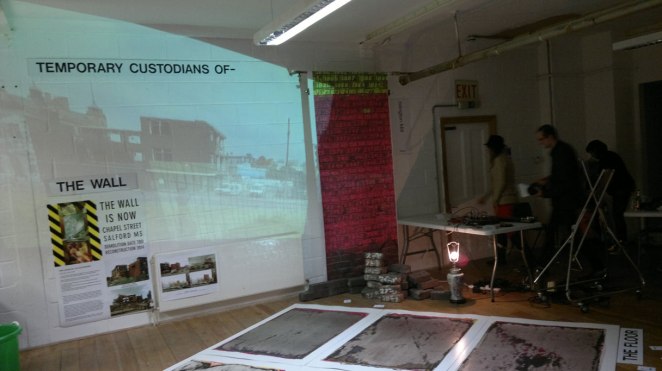
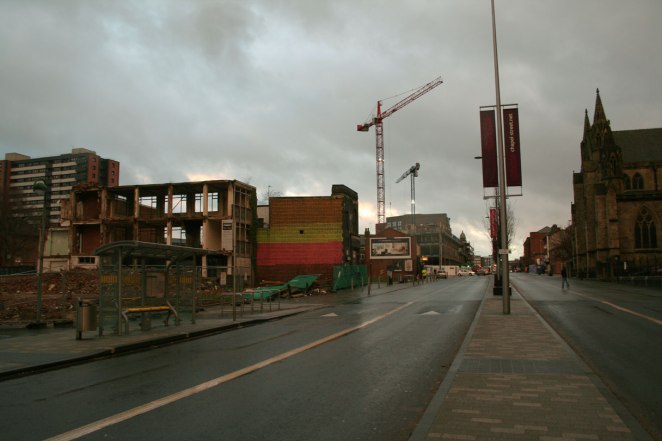
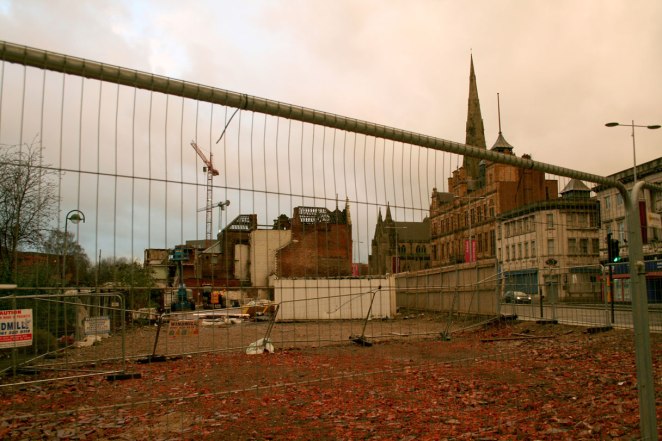
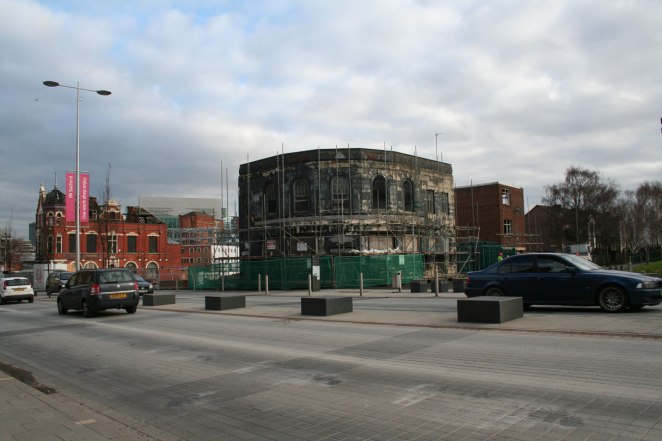
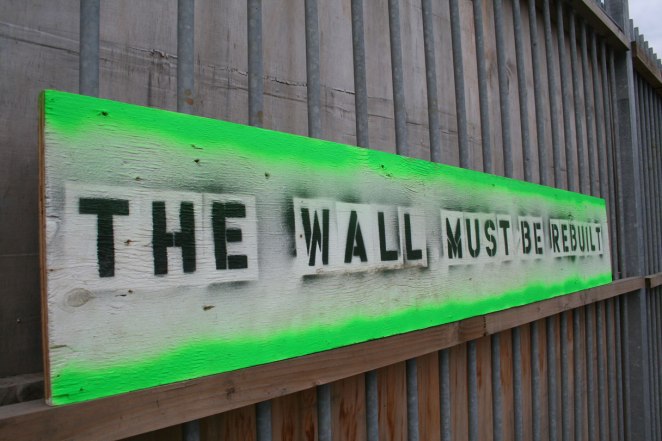
The Wall | The [Salford] Wall

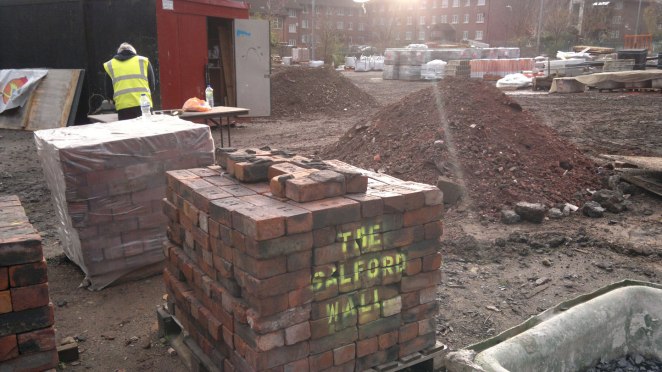
The [Salford] Wall (originally The Wall)
currently 255-285 Chapel Street, Salford

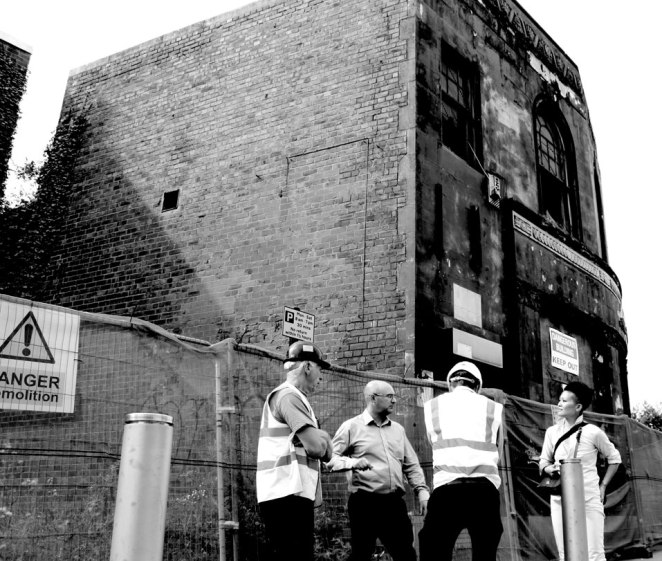
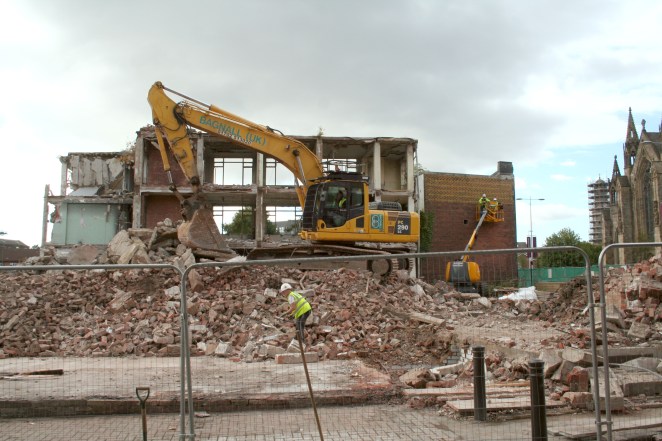
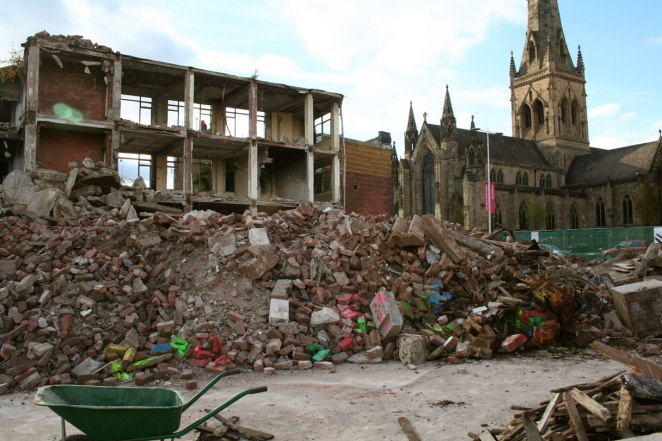
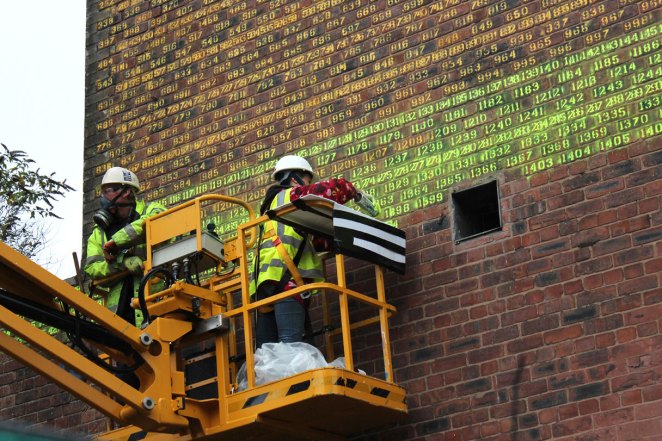
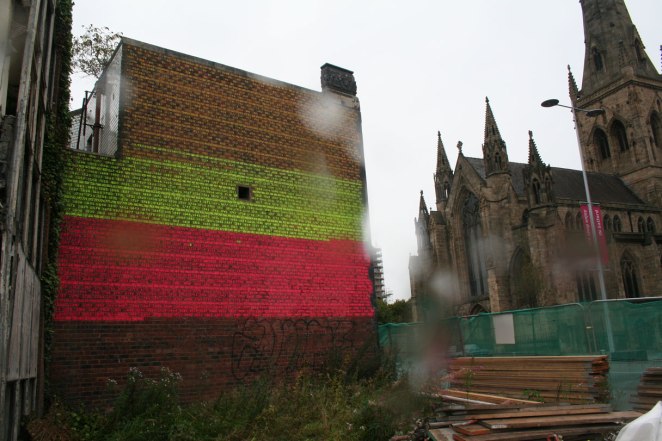
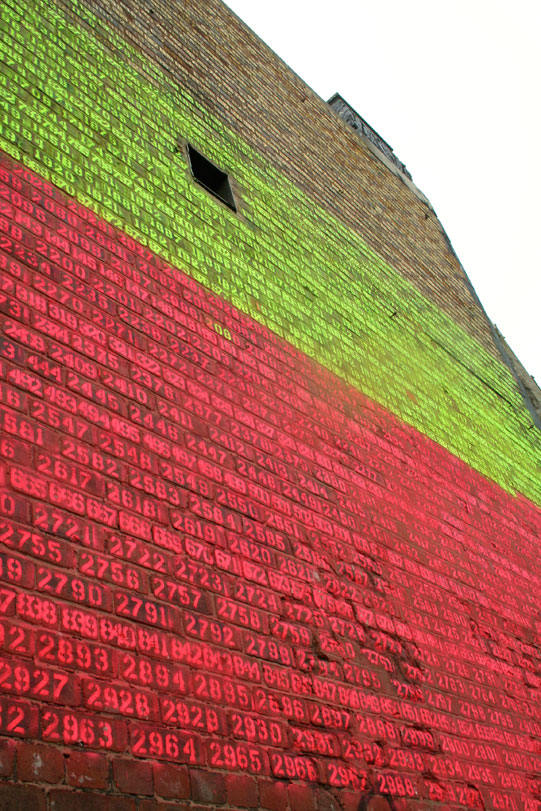
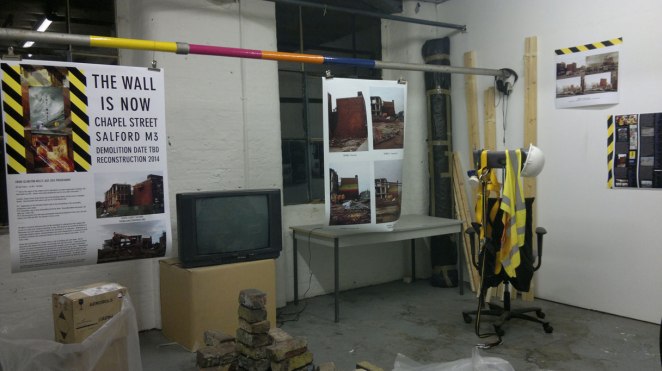
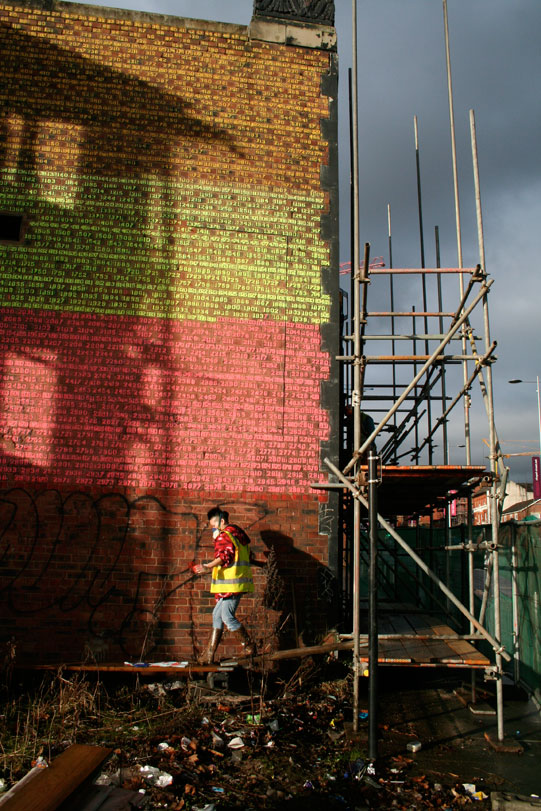
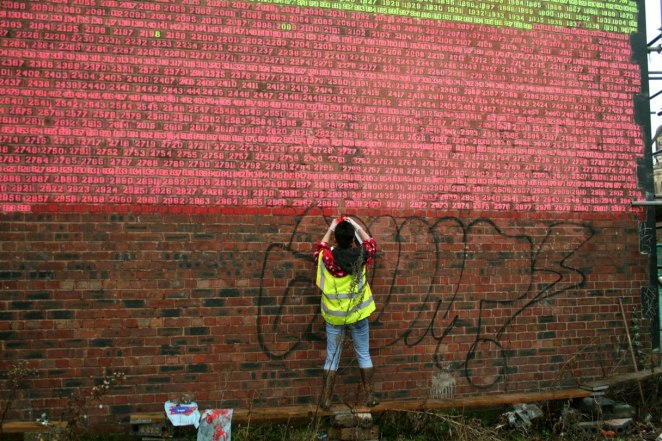
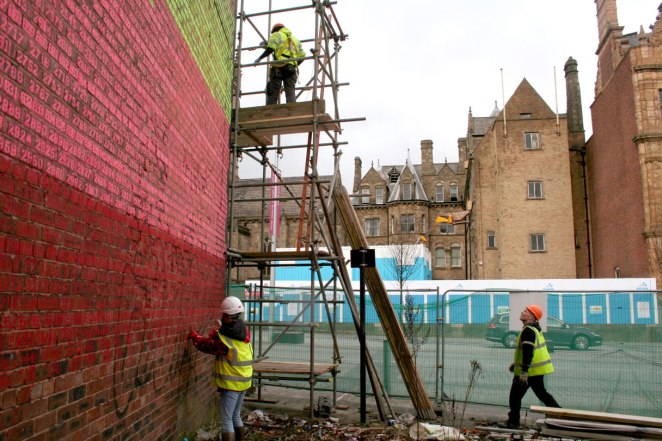
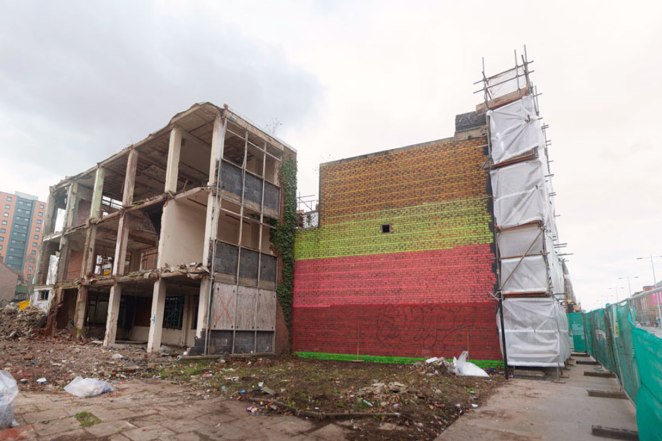
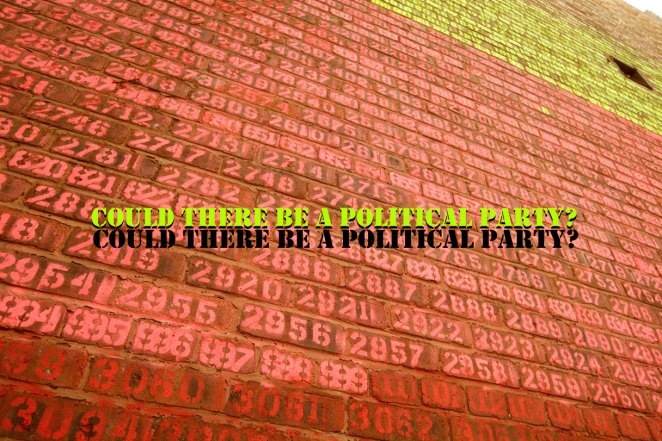
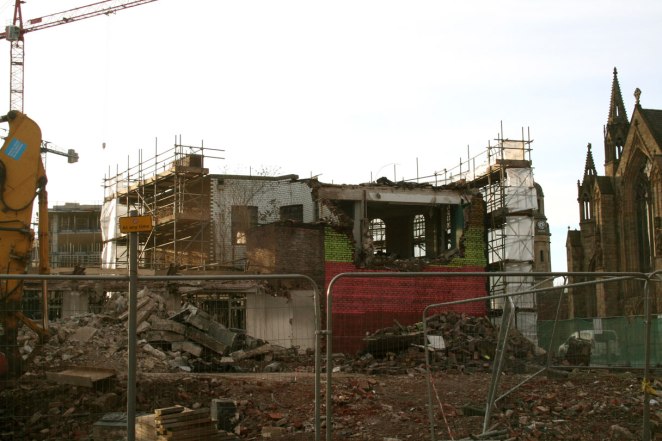
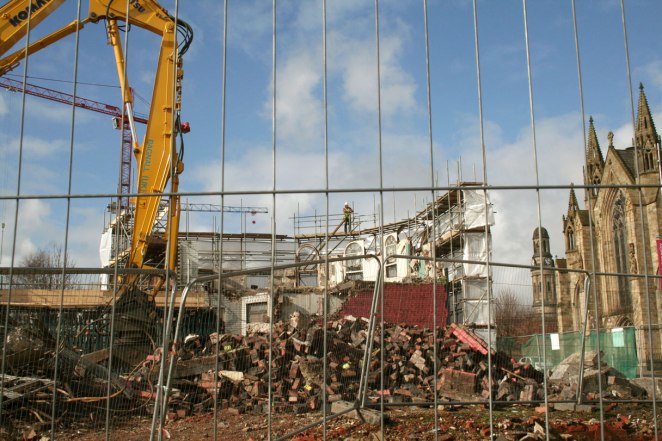
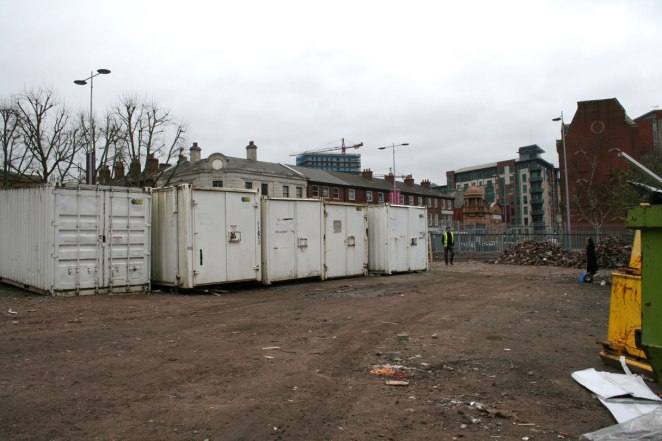
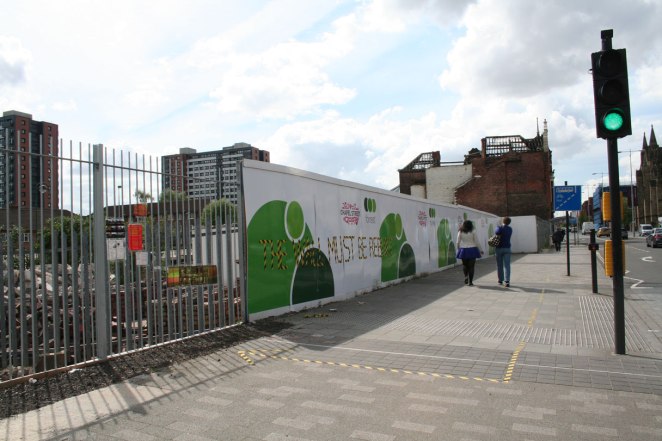
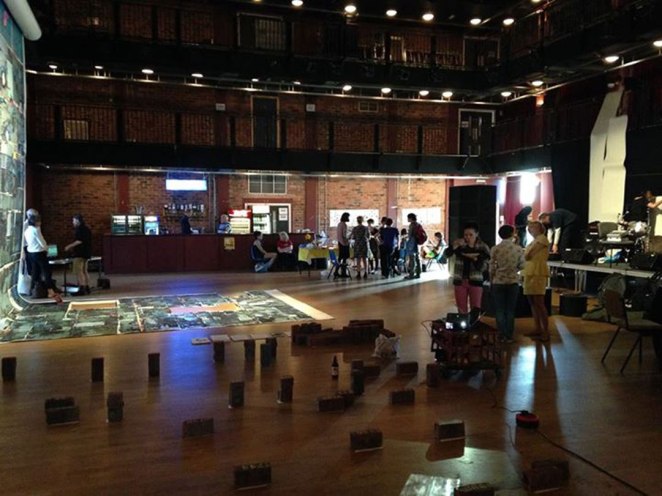
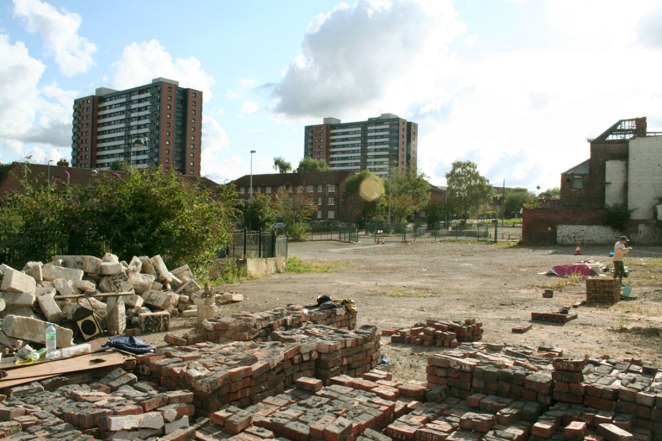
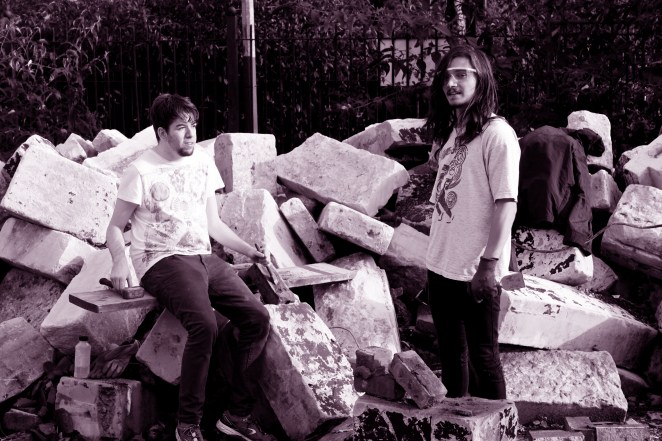
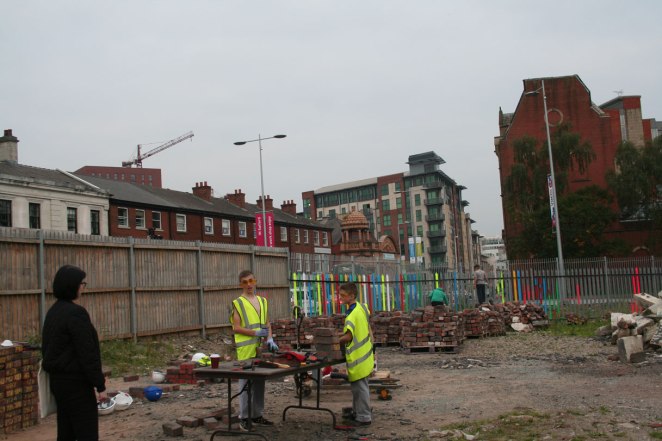
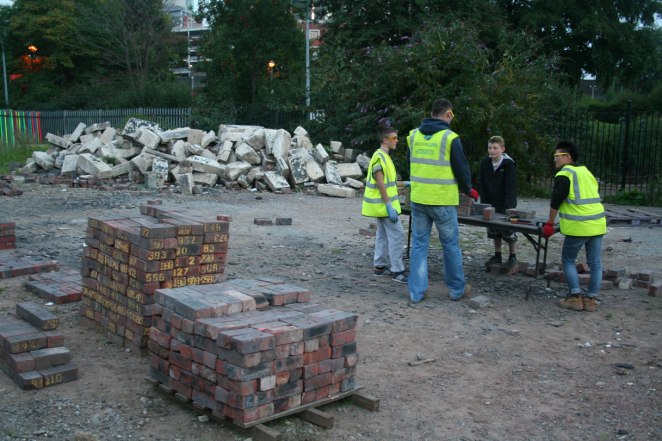
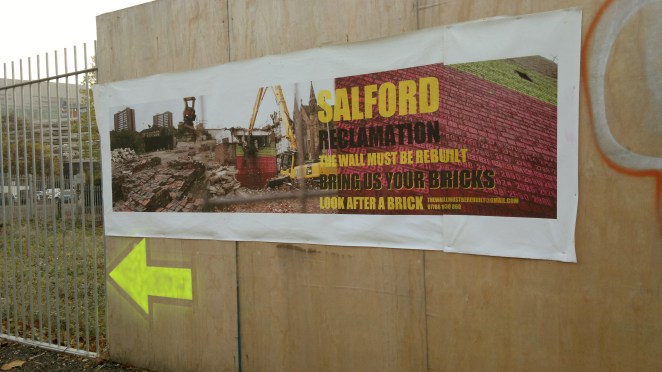
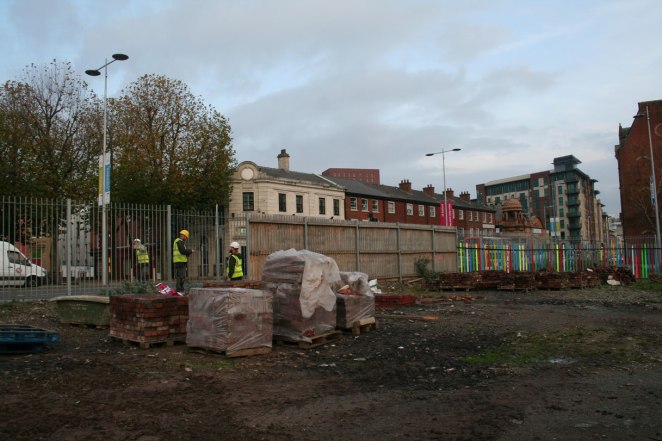
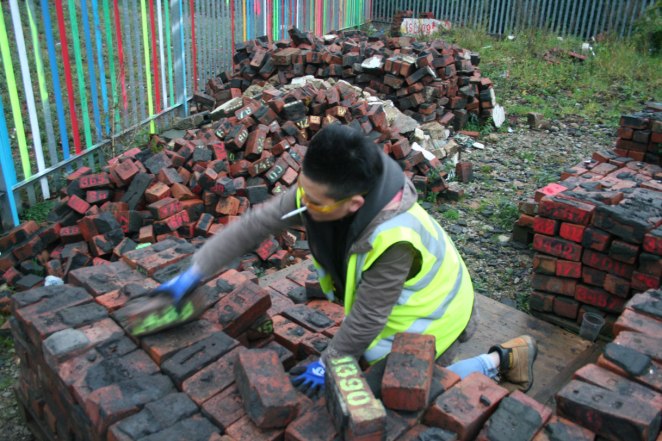
Rebuilding the east flank wall of the Old Bank Theatre / Royal Liver Friendly Society building (built 1930 at 301 Chapel Street, demolished 2014) as a grassroots monument to Salford.

Previously agreed as a temporary public sculpture to last until 2016, The [Salford] Wall (once rebuilt) now has the opportunity to remain permanently on Chapel Street, at the corner of Islington Park.

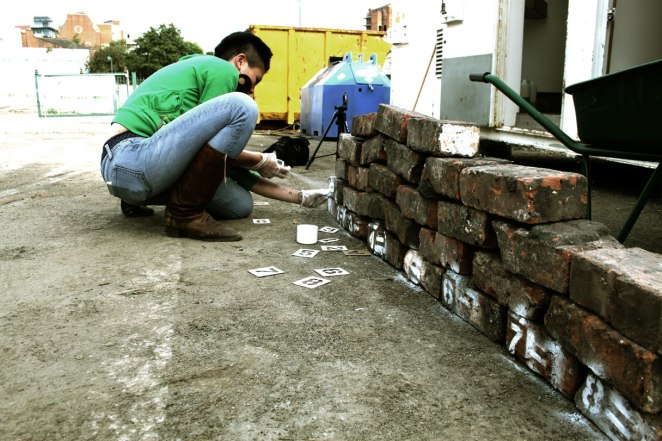
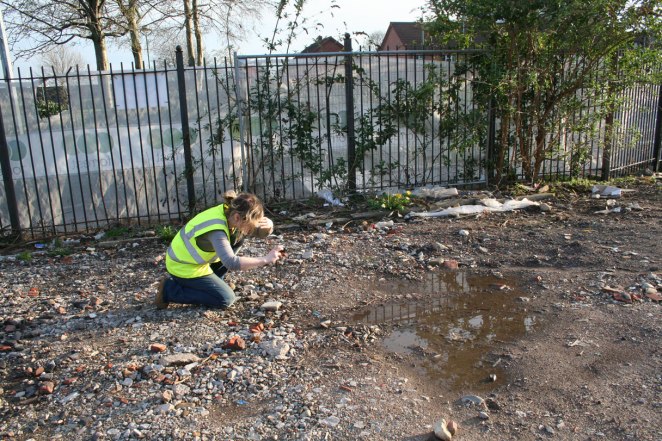
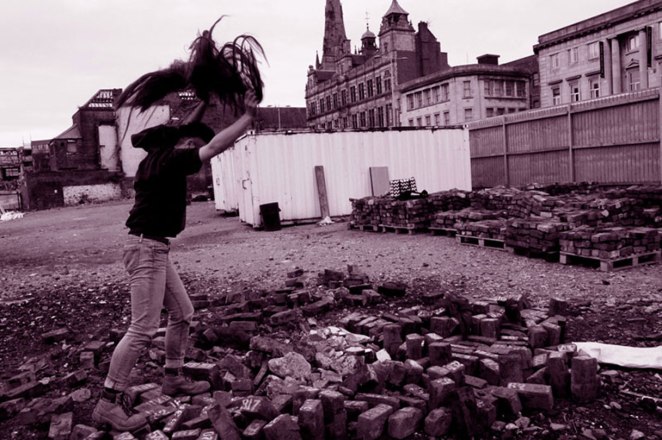
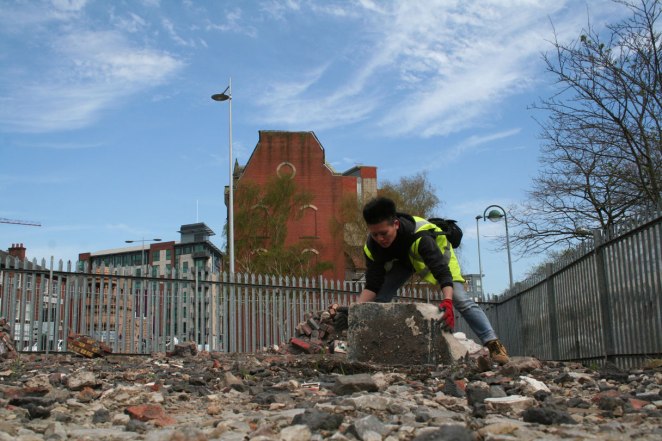
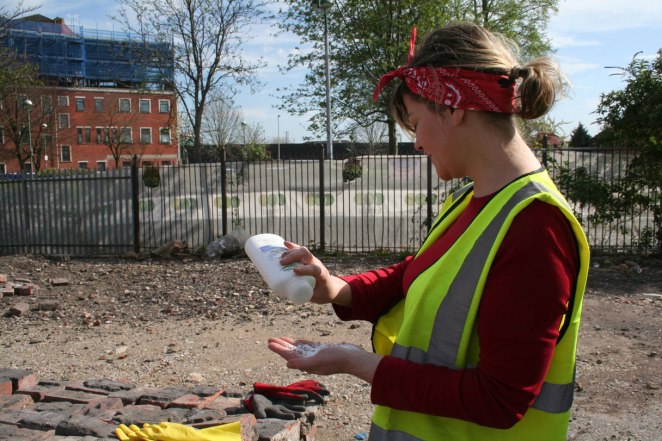
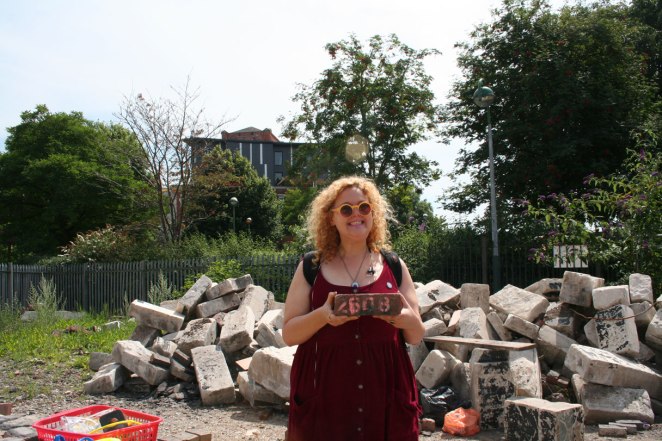
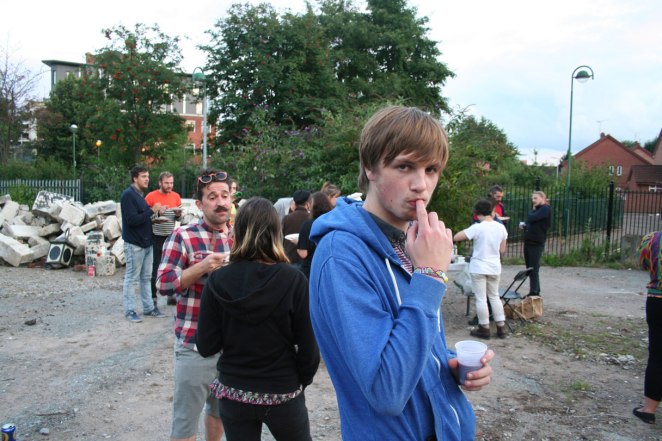
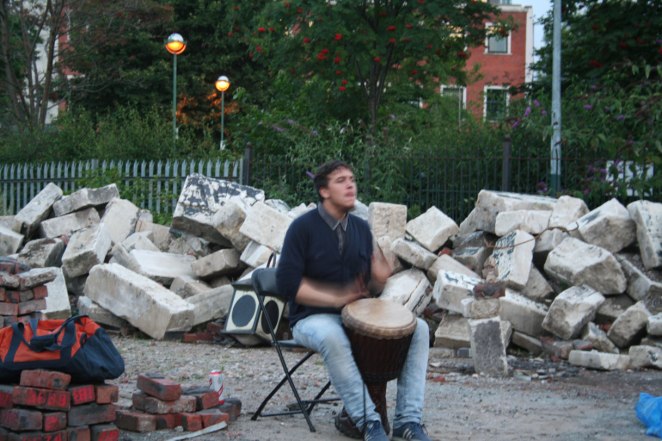
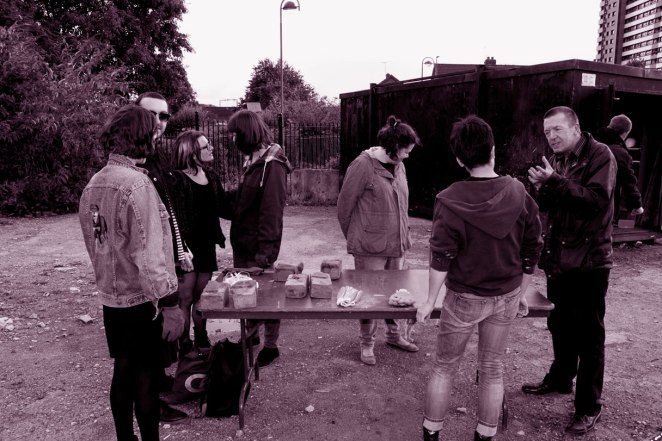
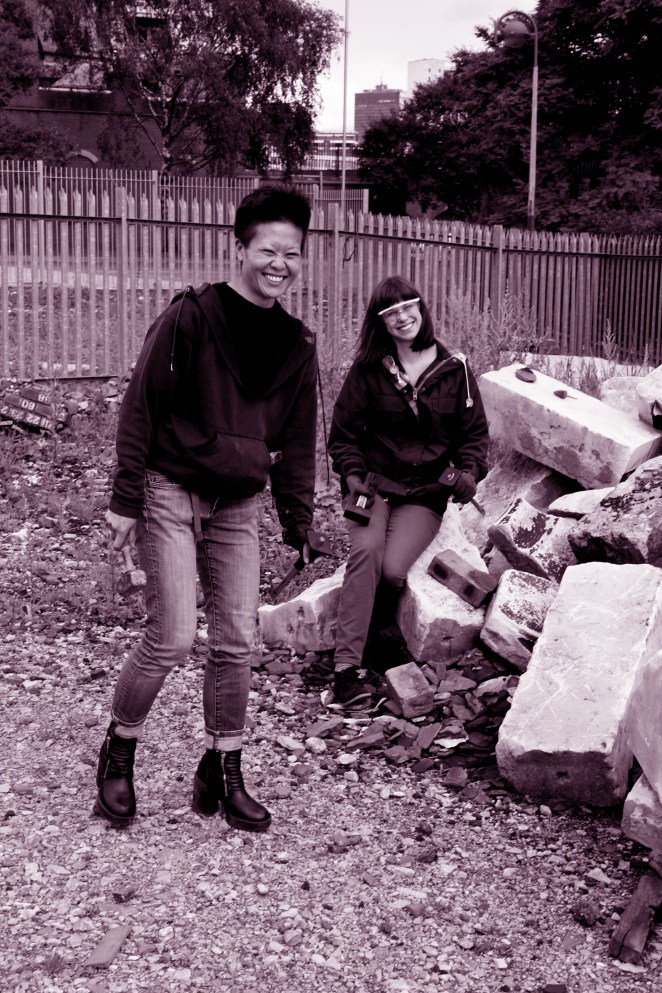
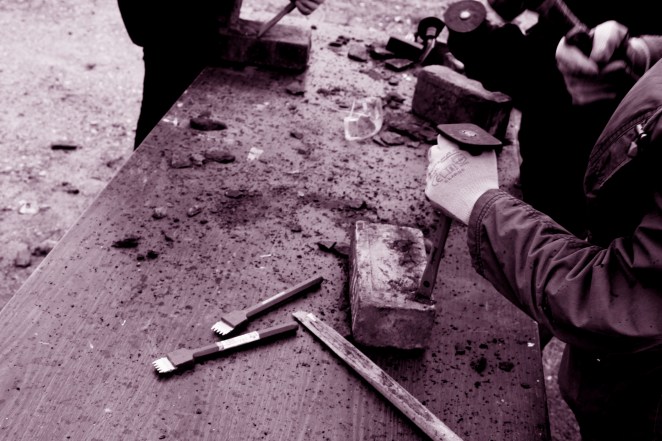
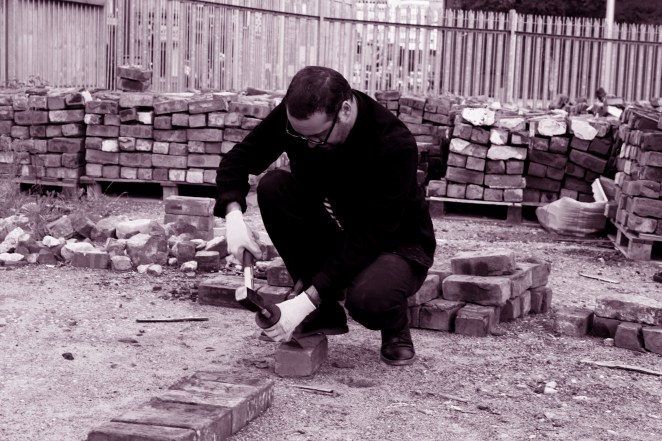
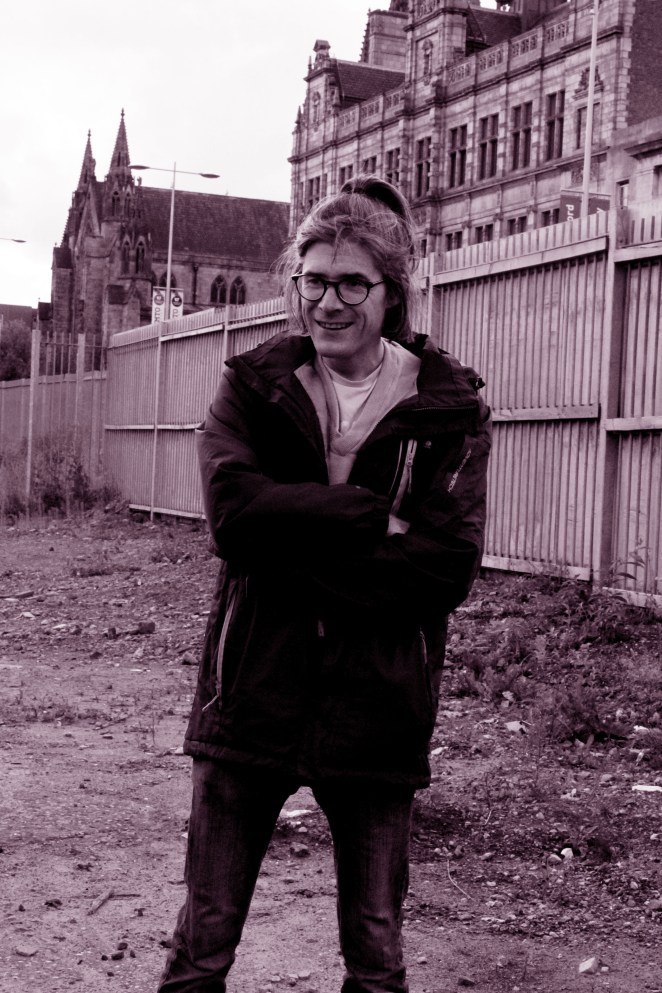
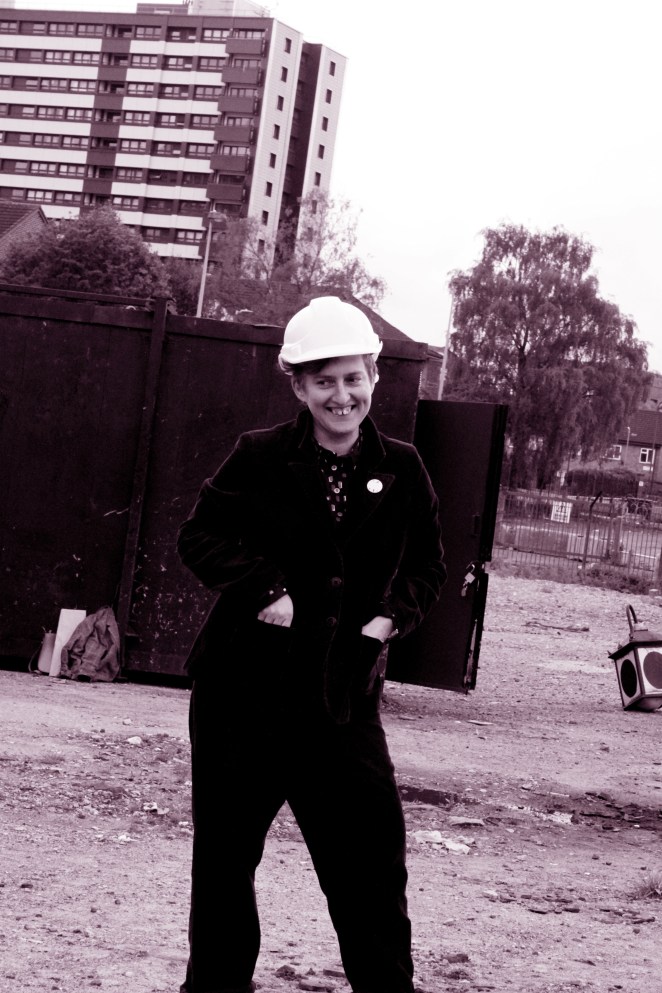
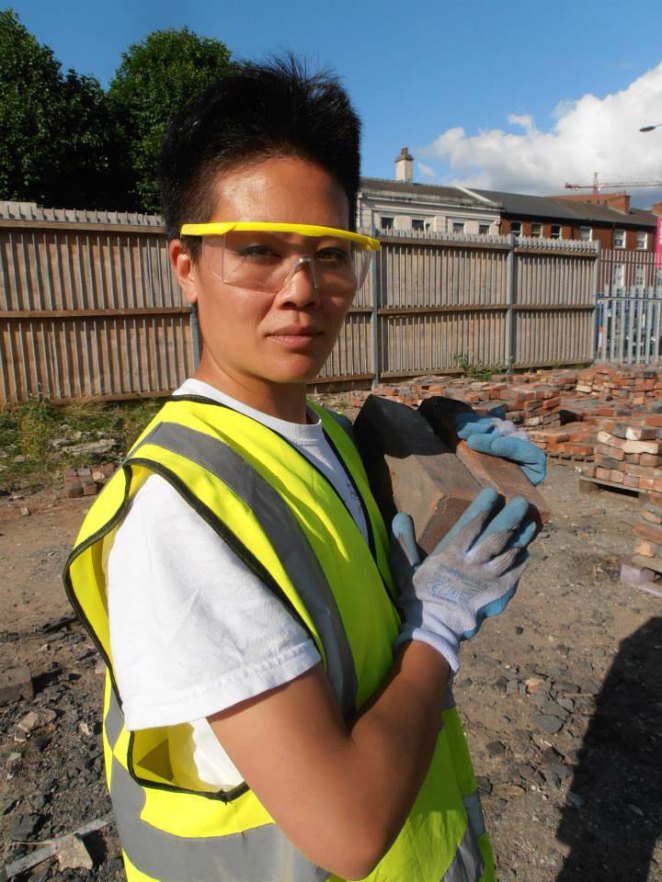
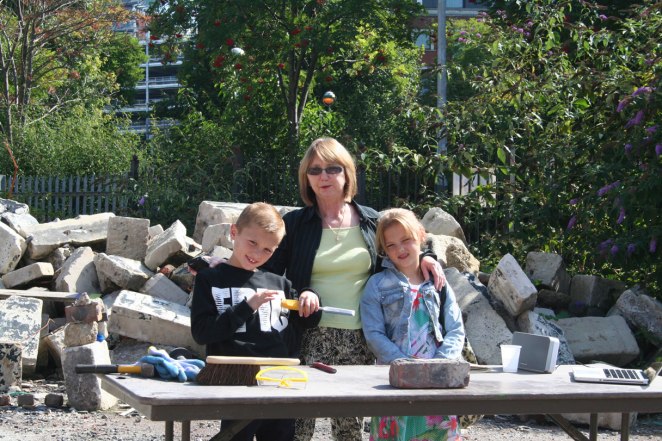
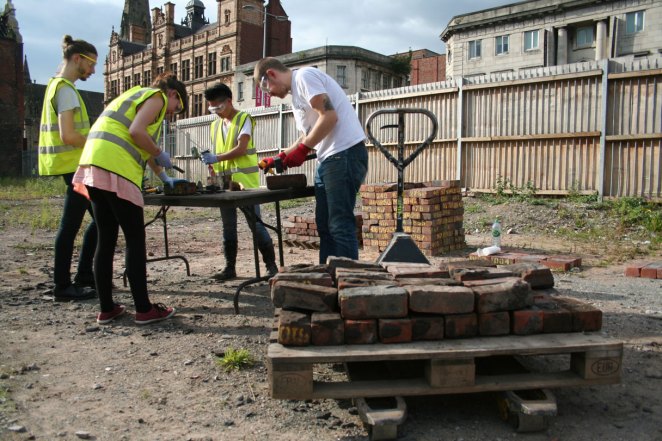
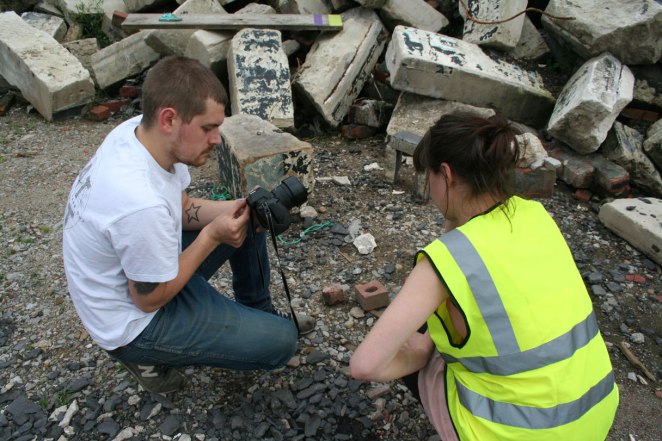
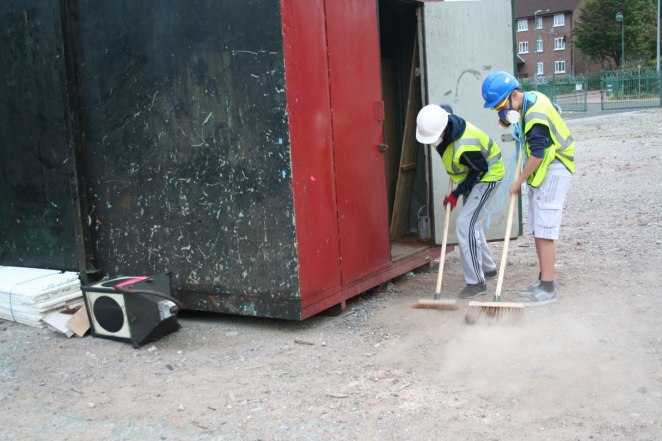
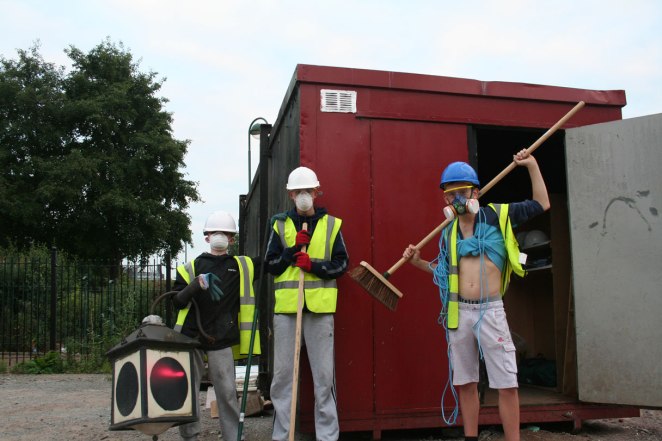
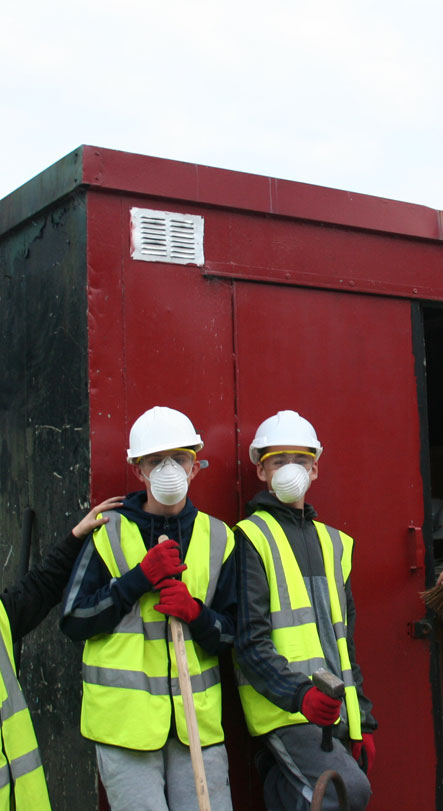
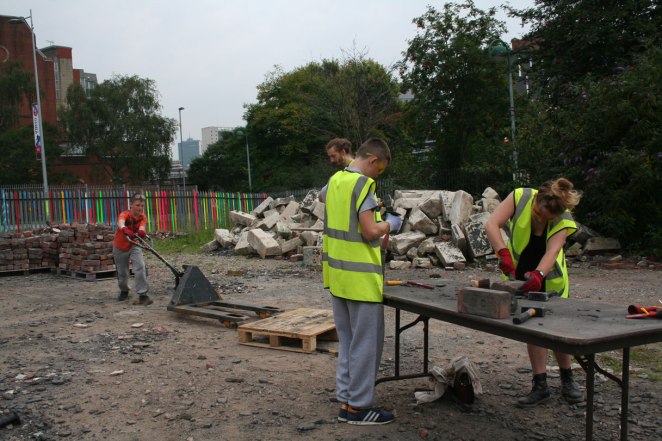
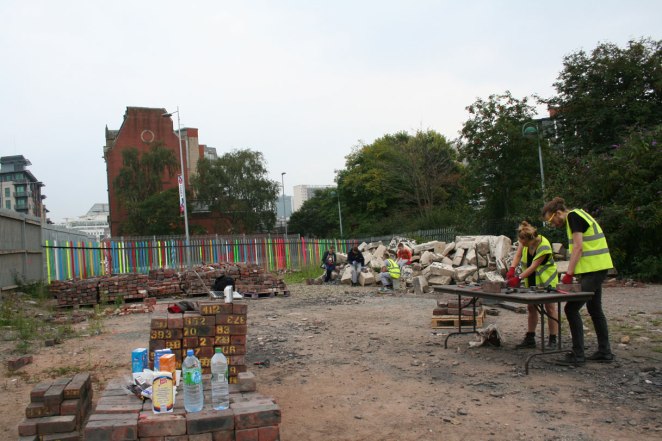
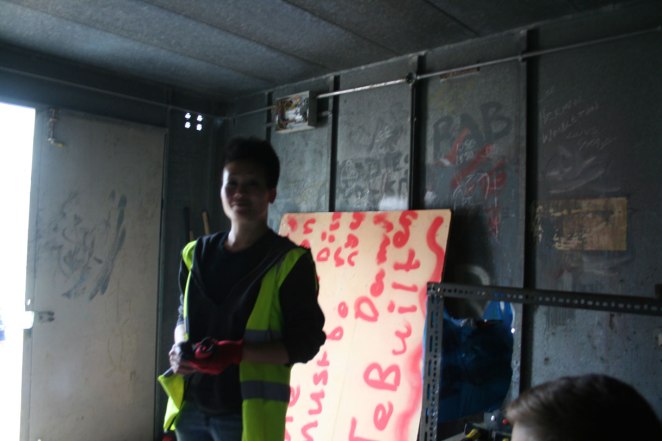
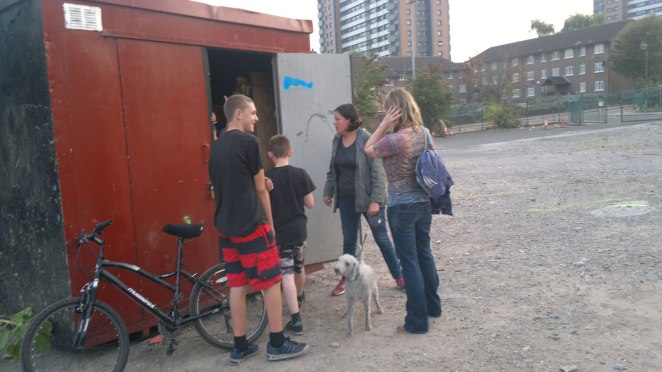
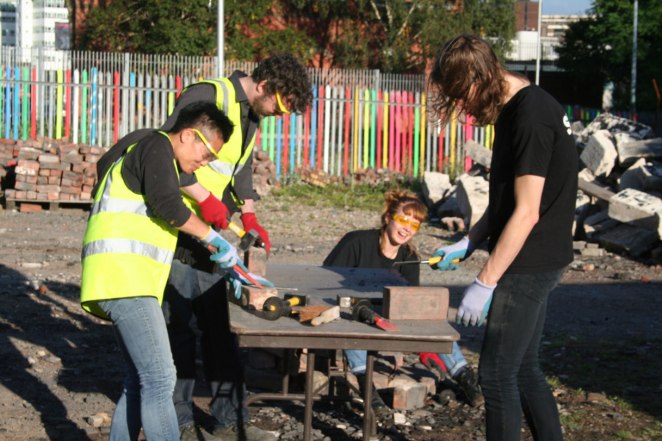
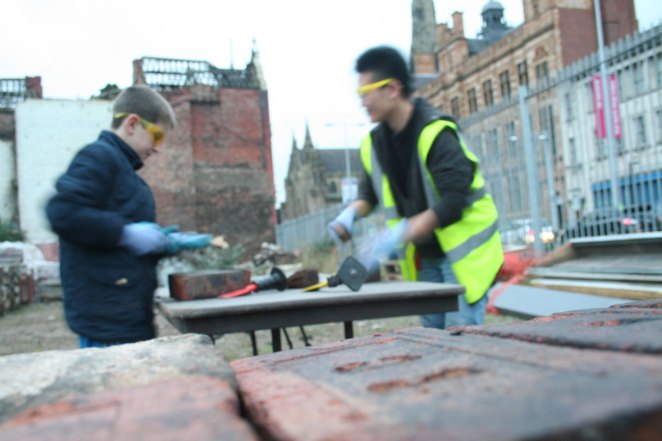
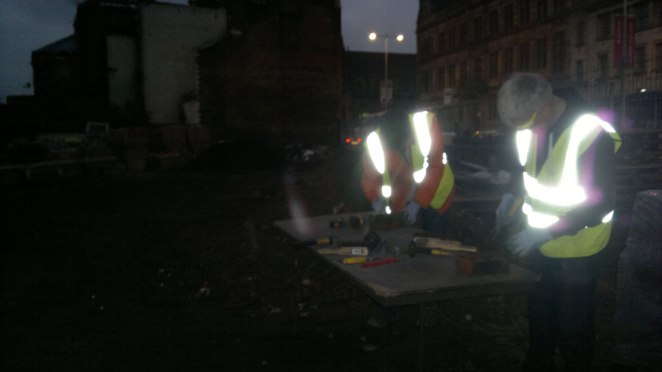
The project is presently unfunded and building an infrastructure of support so that the Wall can be rebuilt, as a series of open events. No previous experience necessary, everyone welcome.

The building was originally built by Royal Liver Friendly Society amidst a time of brutal austerity as a physical and financial structure of Northern working class solidarity and mutual support. Help keep this heritage in Salford. If you can donate some time – whether cleaning bricks, helping with publicity and raising support, or would like to simply get involved, please contact Jen on:

thewallmustberebuilt@gmail.com
07766 130 860
facebook/twitter: thesalfordwall
thewallmustberebuilt.org

– – – – – – – –
Part I: January 2012 – April 2015

Initiated by artist Jen Wu
In collaboration with Islington Mill
In cooperation with: Salford City Council, English Cities Fund, Urban Vision
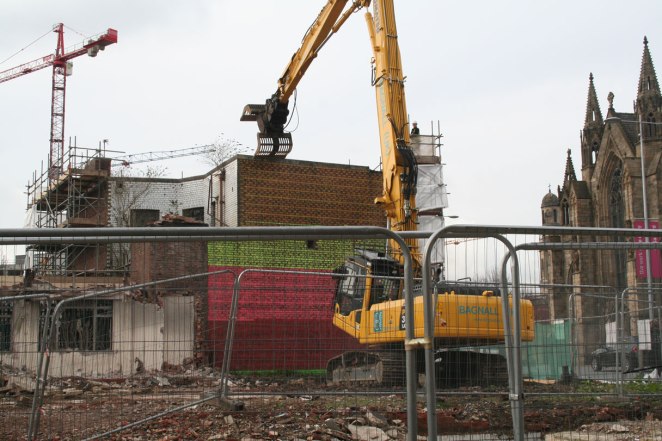
Support in kind: Bagnall UK
Funding: The Henry Moore Foundation, Arts Council England

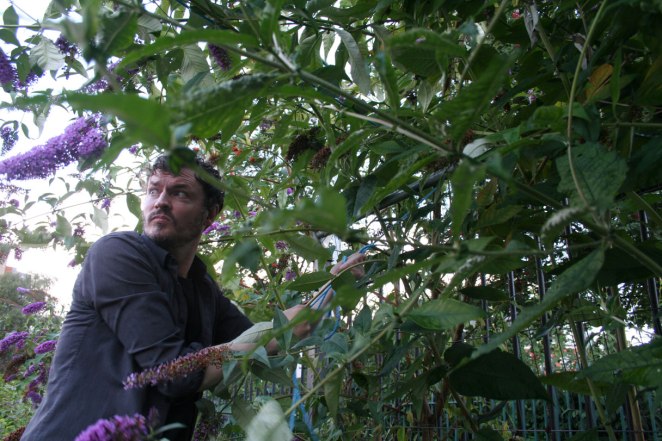
And made by the voluntary efforts and incredible generosity of numerous individuals in Salford and beyond.
WEBSITE HERE

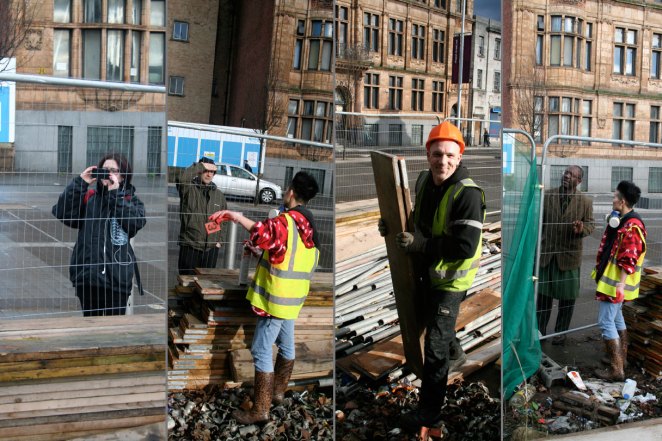
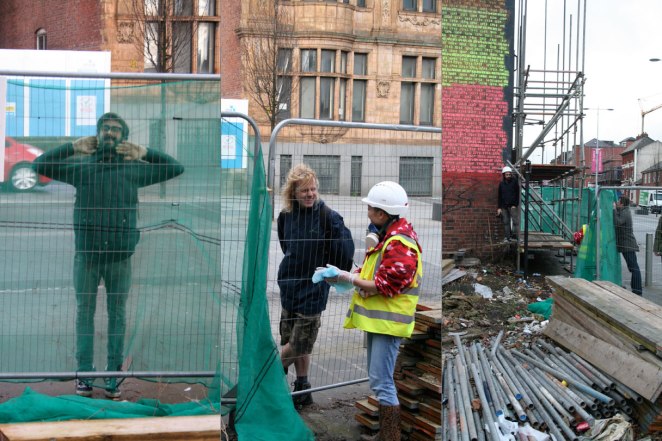
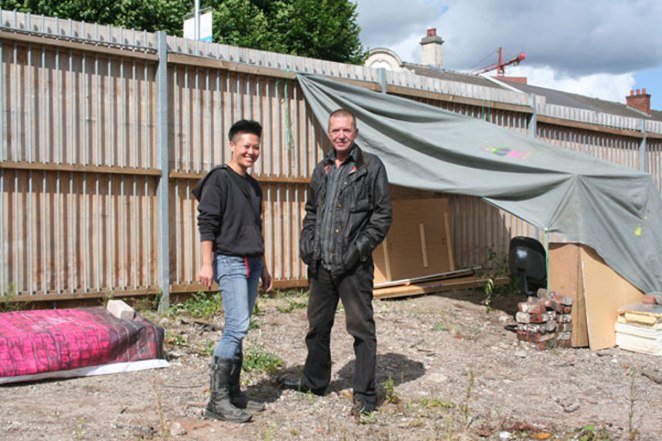
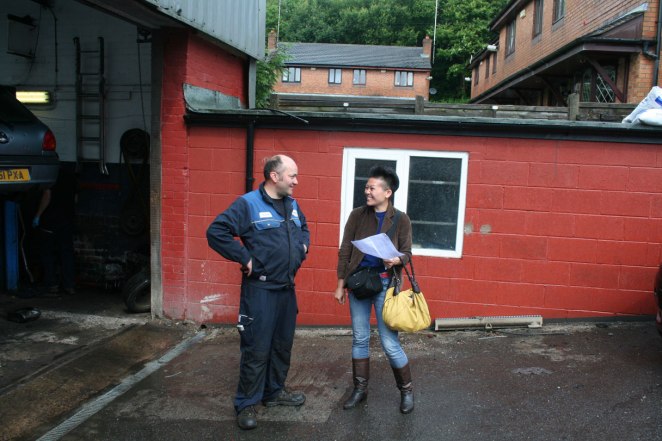
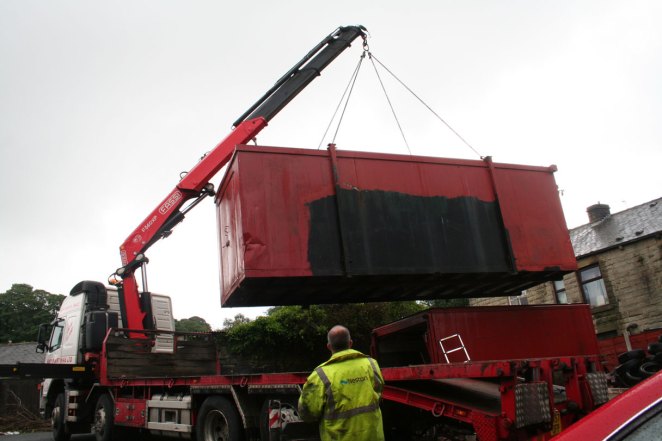
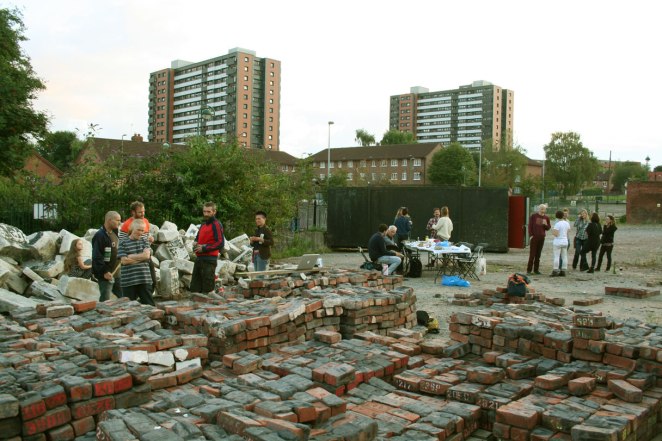
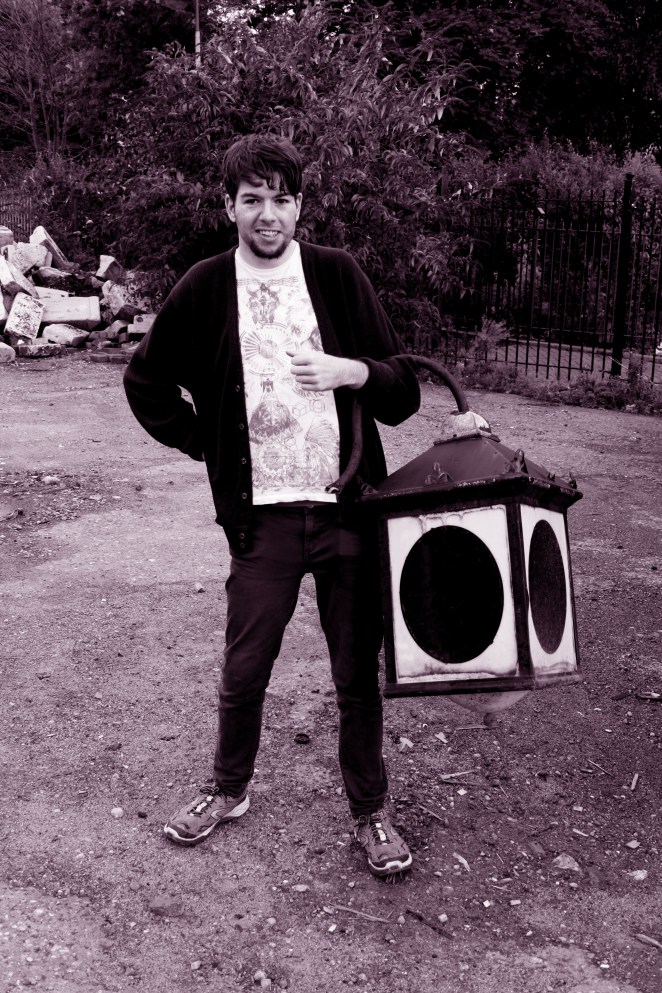
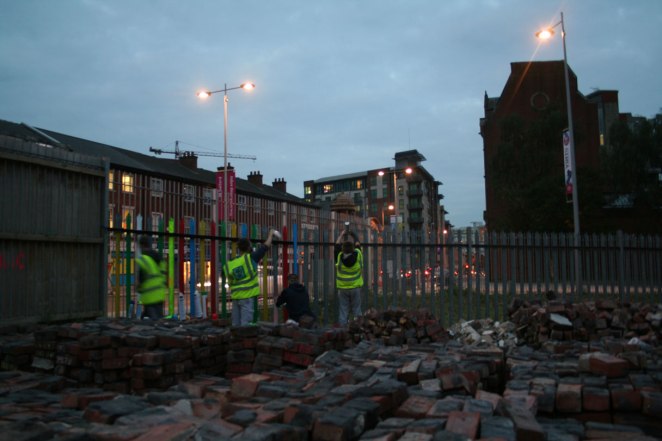
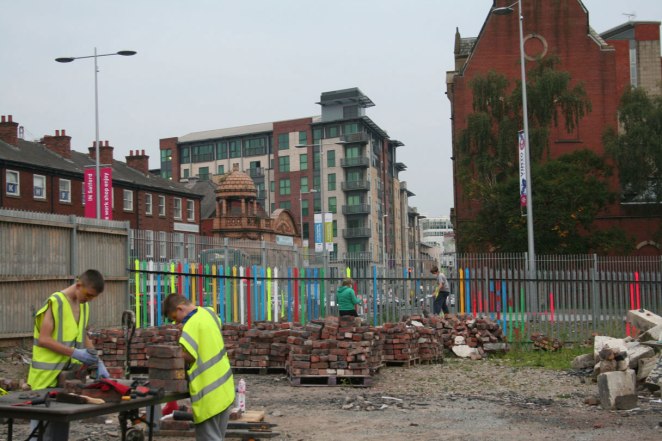
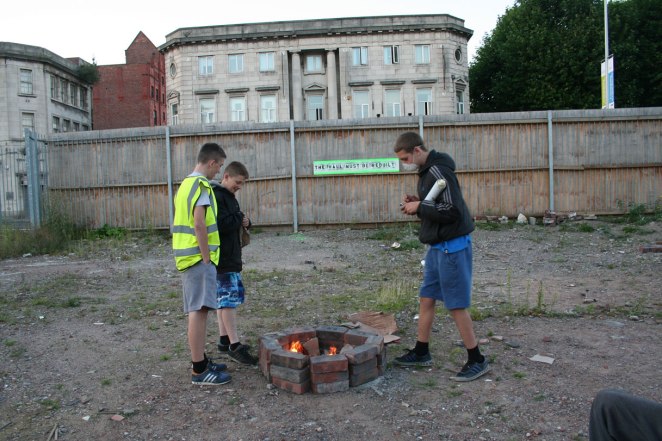
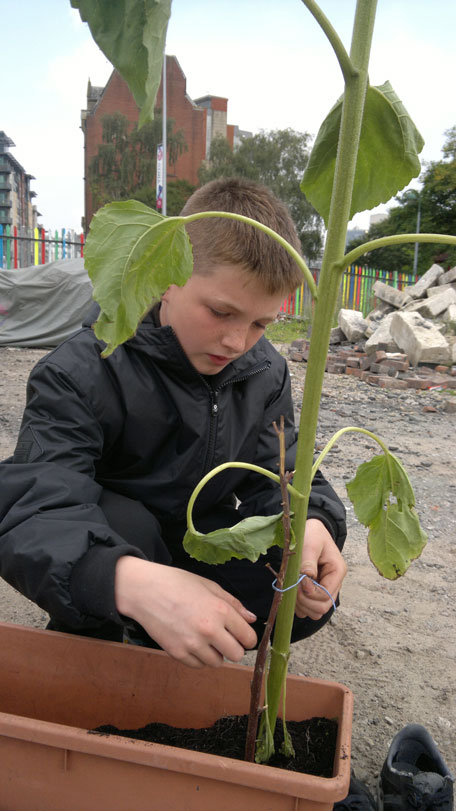
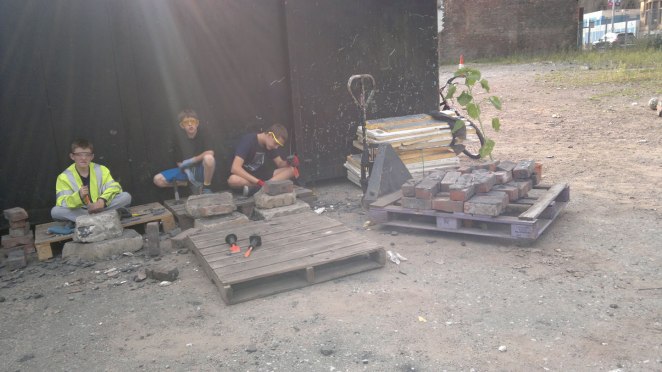
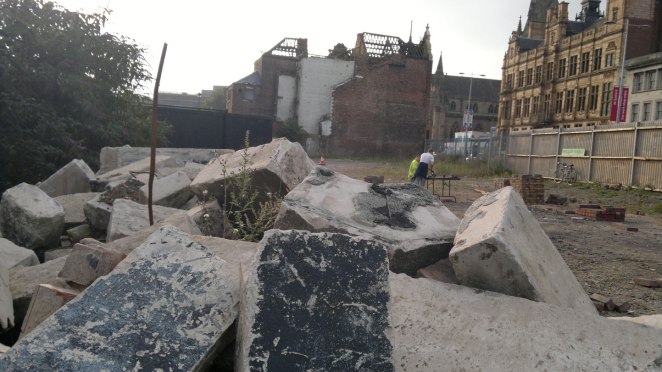
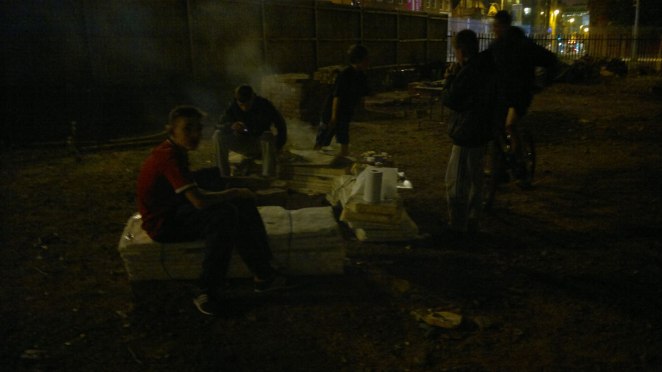
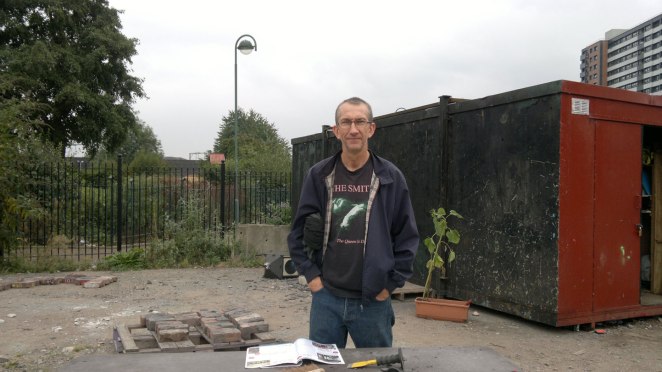
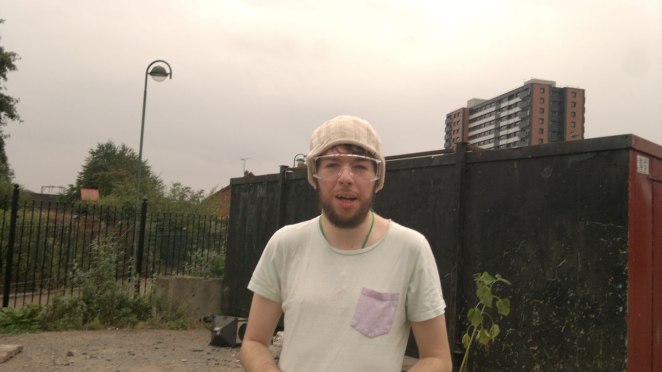
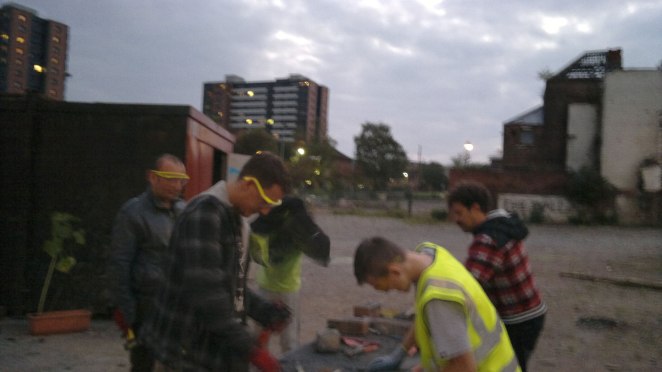
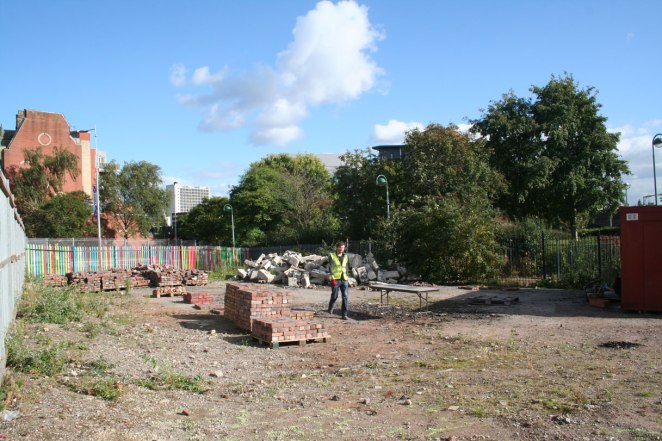
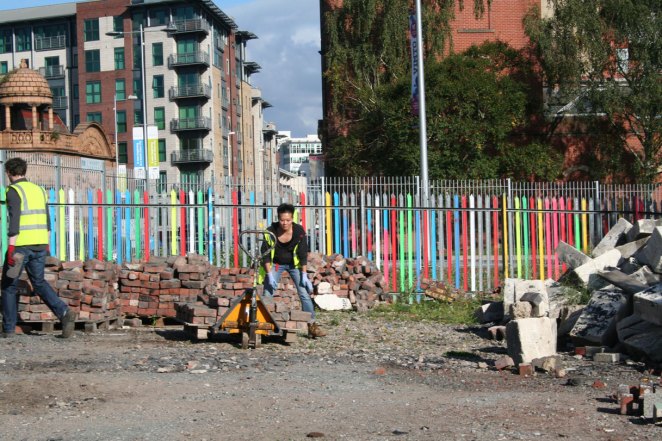
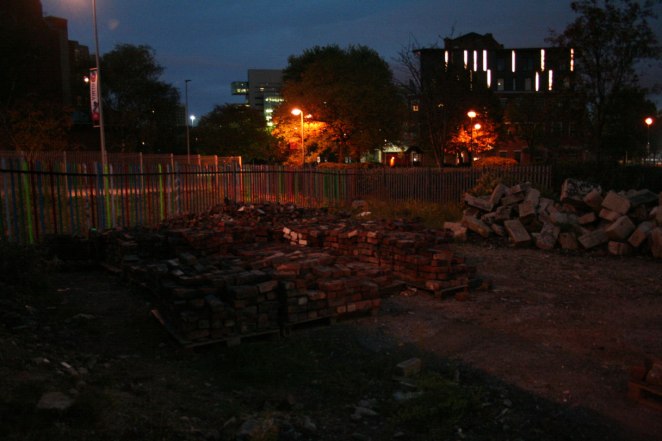
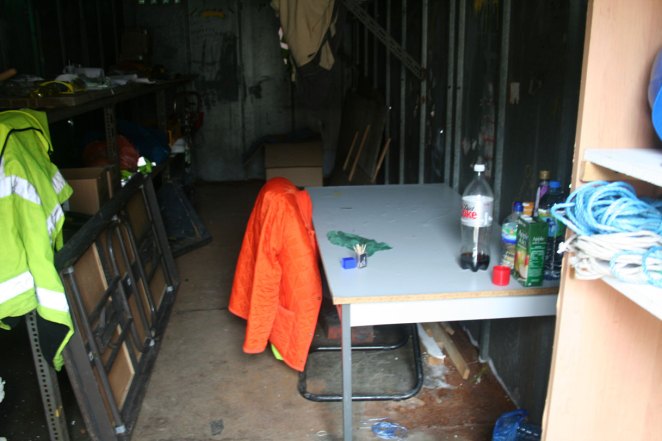
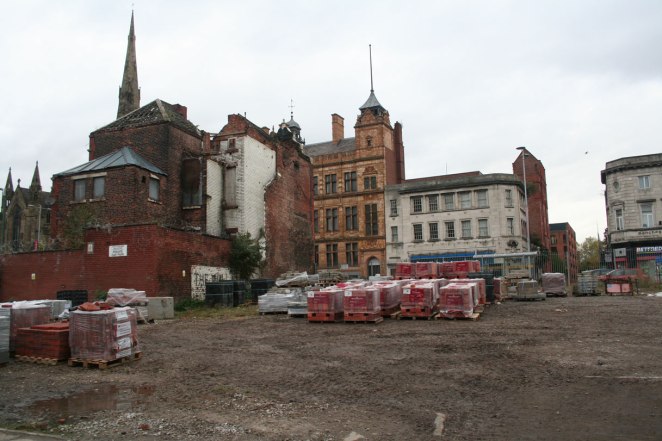
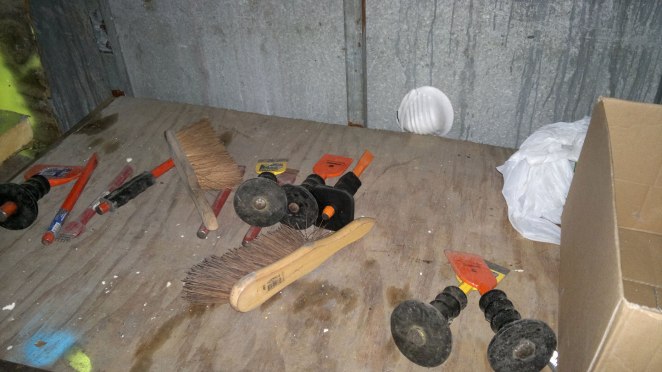
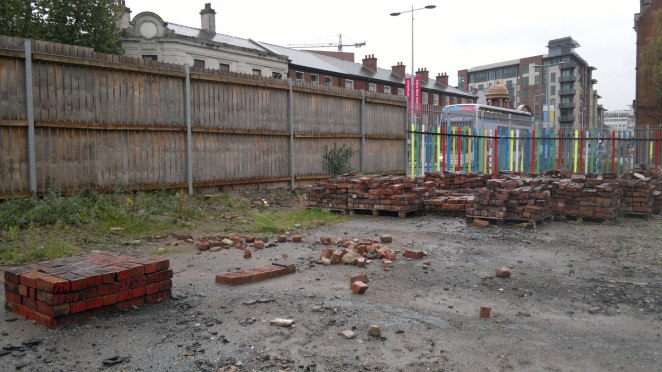
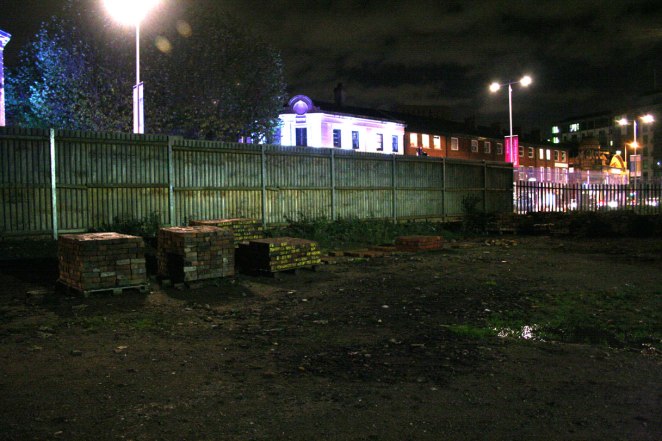
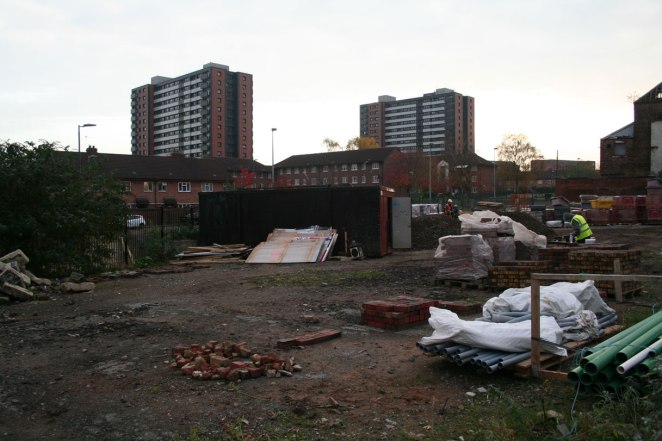
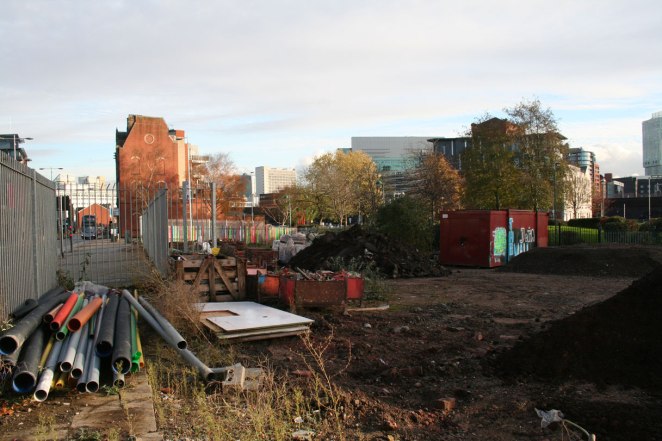
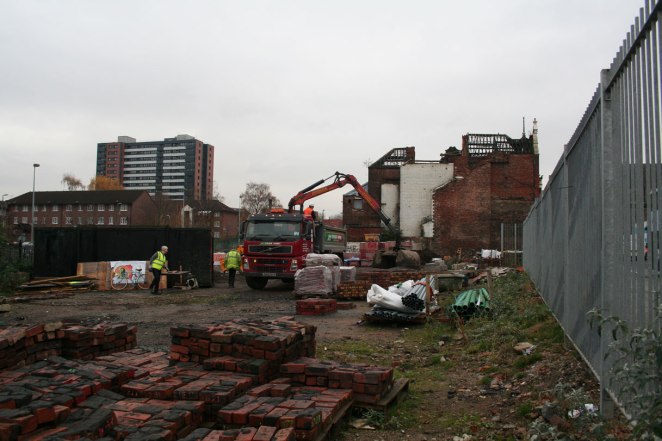
Photos: 7 December 2012 – 30 November 2014.

From e-mail to Heritage Lottery Fund, 24 Nov 2014

The Salford Wall was initiated by myself, an artist, in 2012.  It is a heritage project about buildings and communities, achieved through rebuilding a section of the Old Bank Theatre which formerly stood at 301 Chapel Street, Salford.

Building

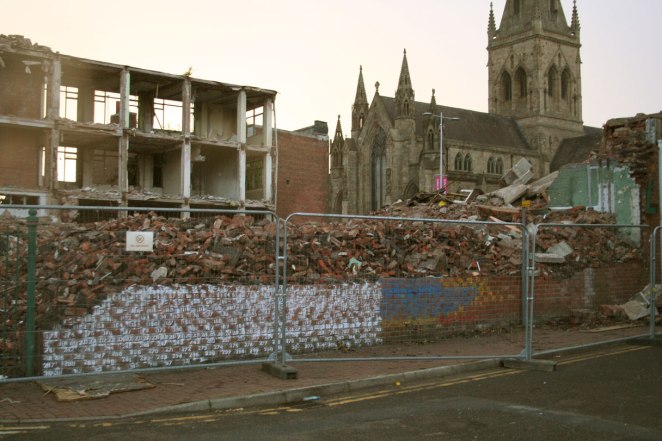
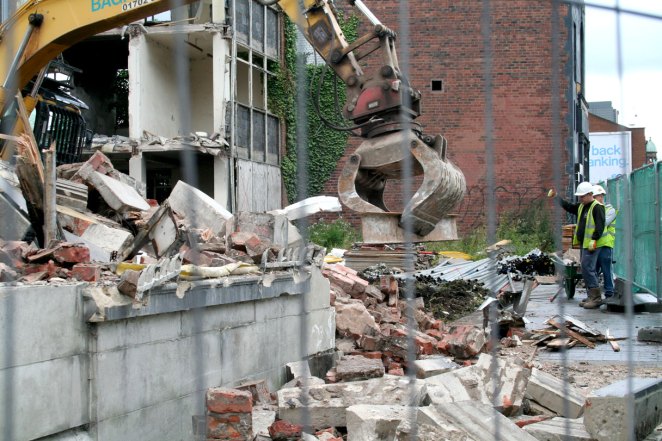
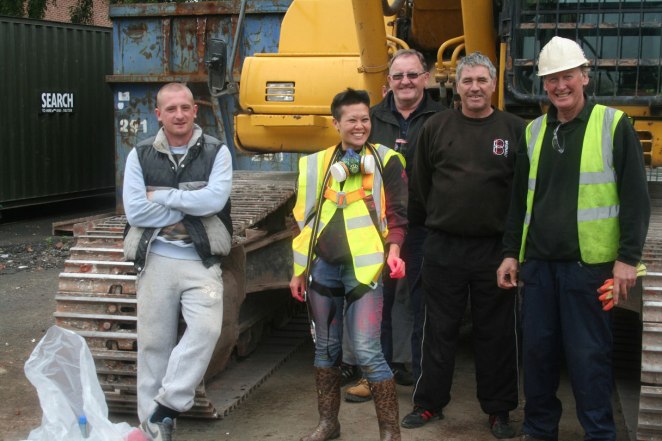
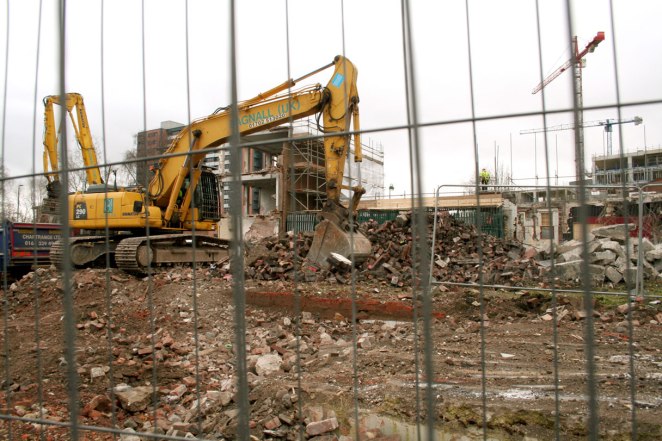
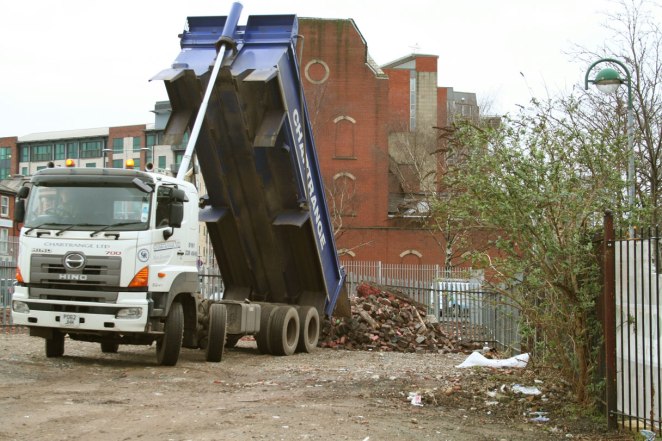
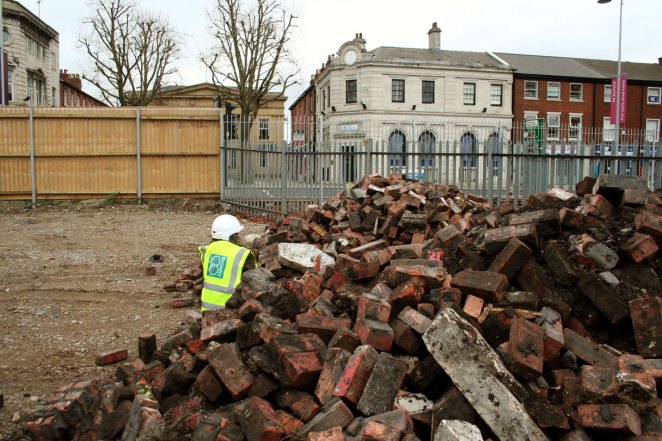
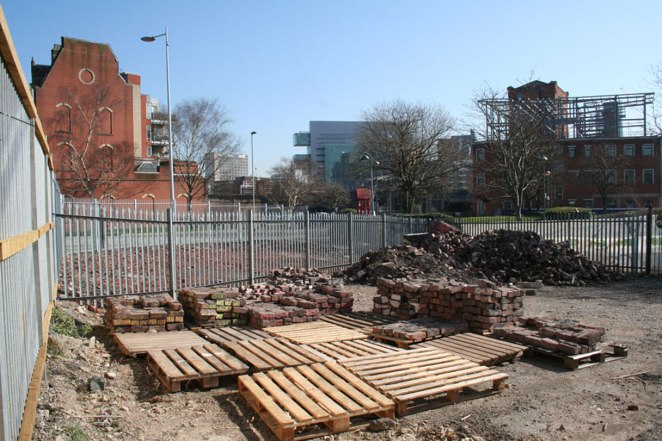
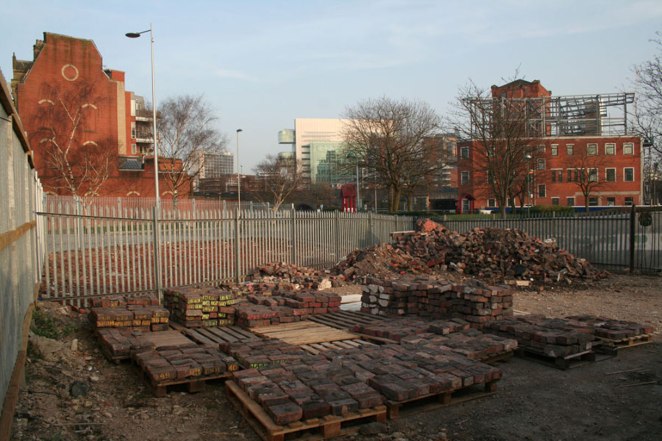
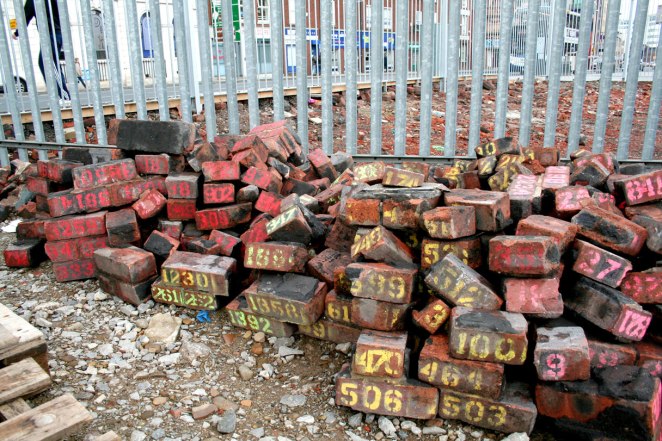
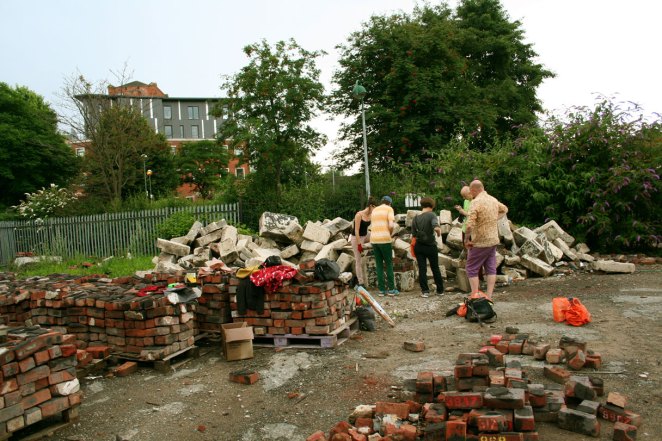
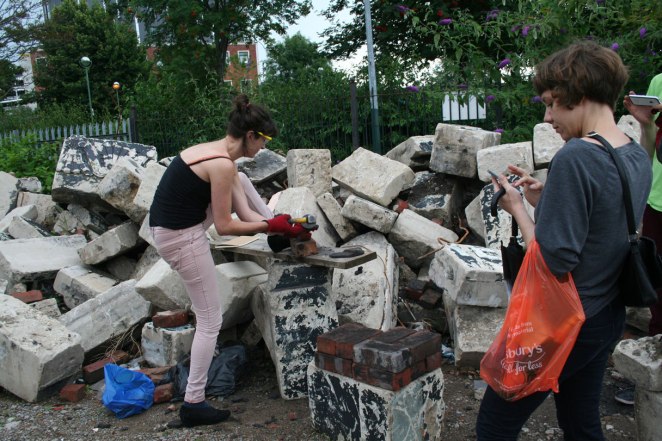
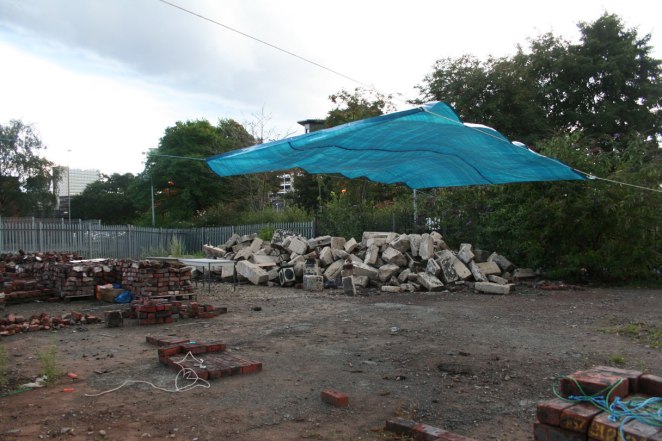
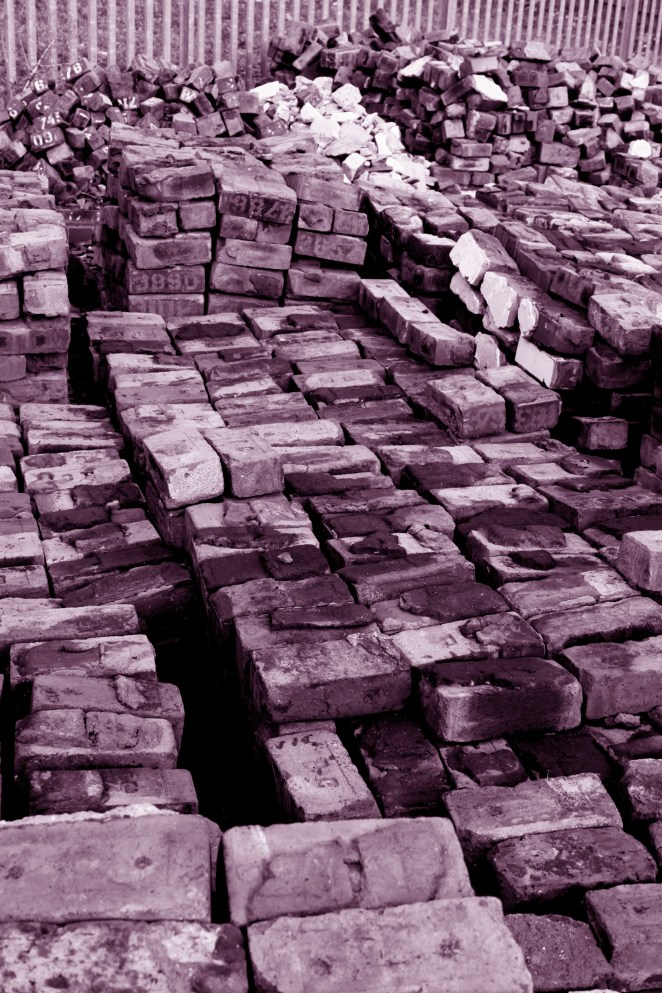
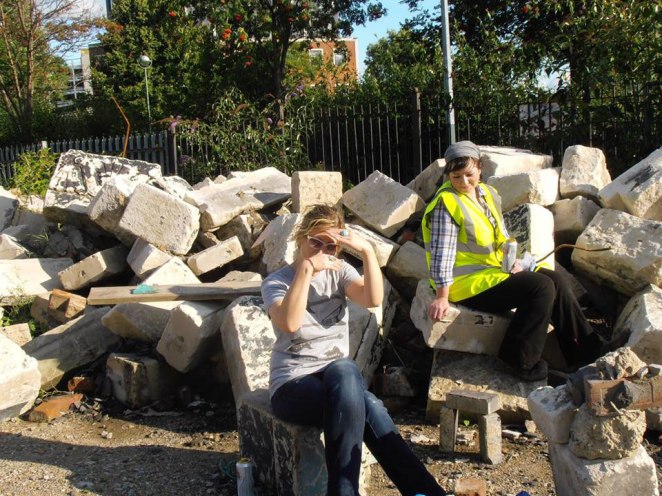
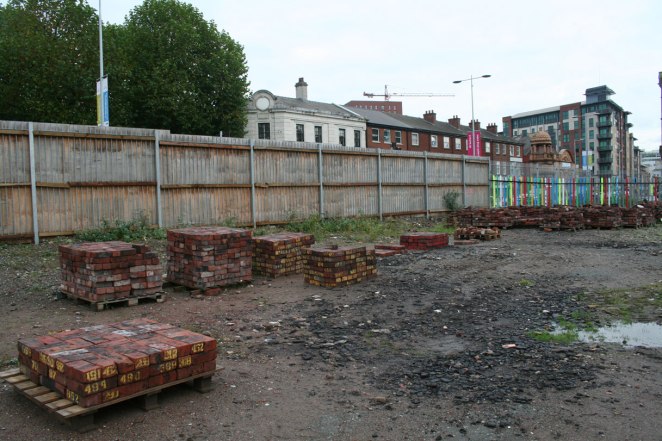
The building (built by Royal Liver Friendly Society in 1930) was bought by Salford City Council by CPO, to be demolished as part of Salford’s current regeneration.  After a period of negotiation with the council, I obtained permission to work with the demolition contractors to save the east flank wall, made entirely of brick.  Through the course of the demolition works, I also managed to save the stone blocks making up the building’s facade.
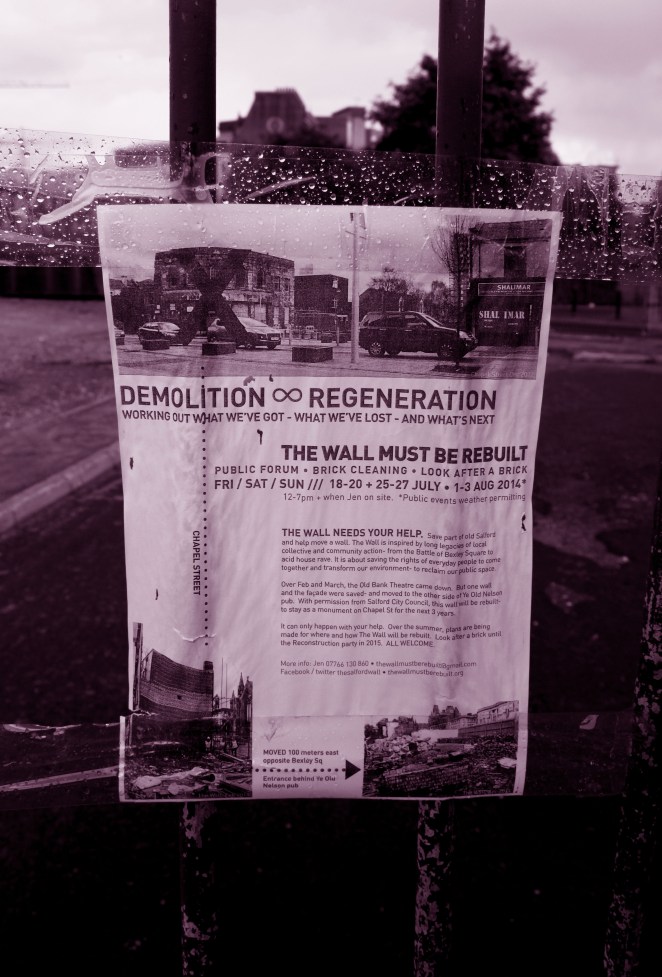
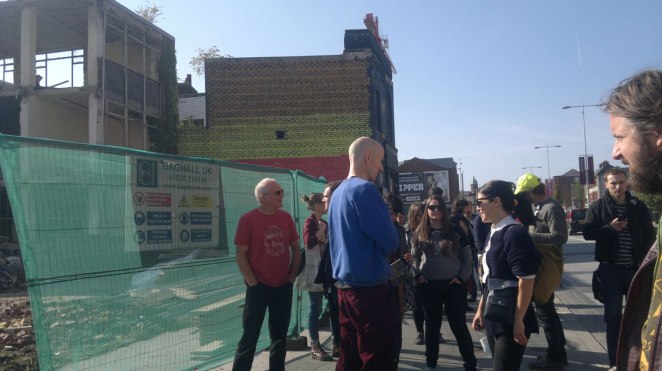
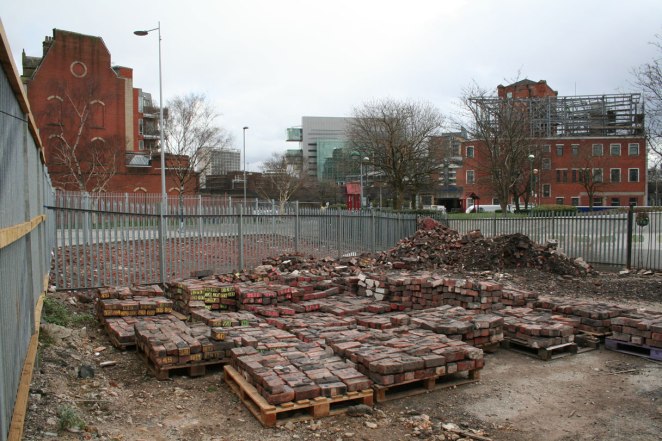
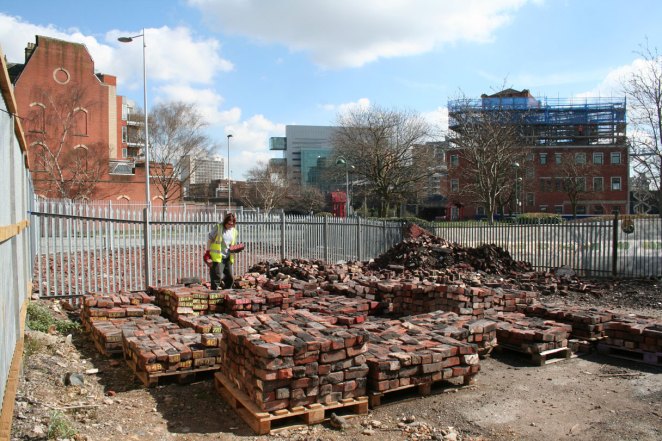
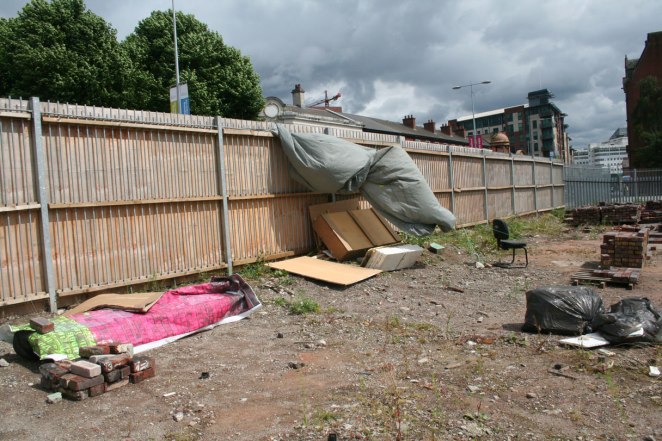
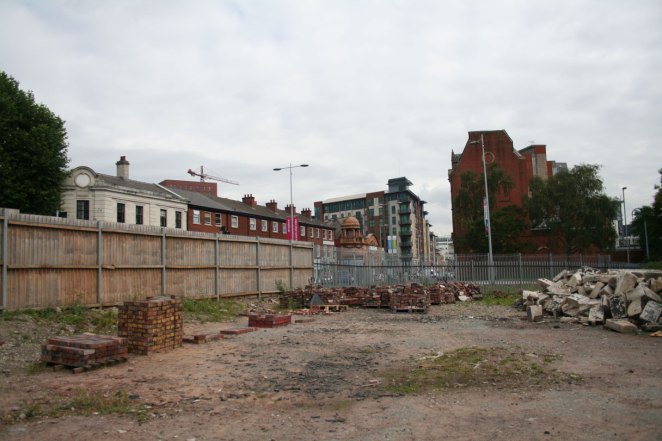
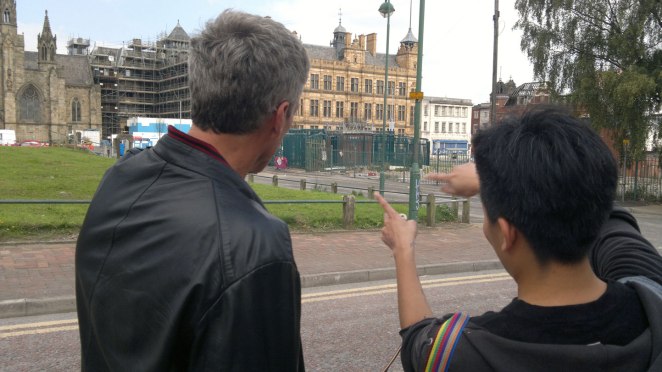
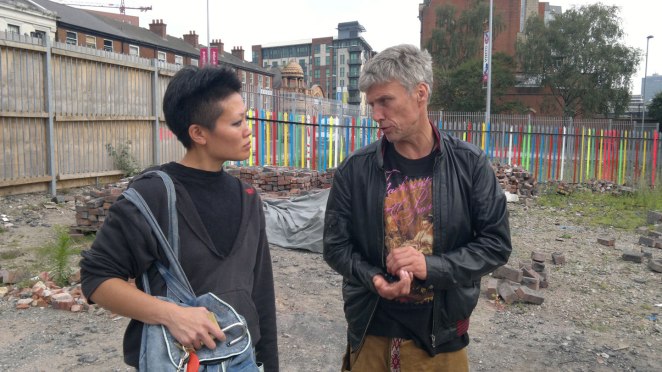
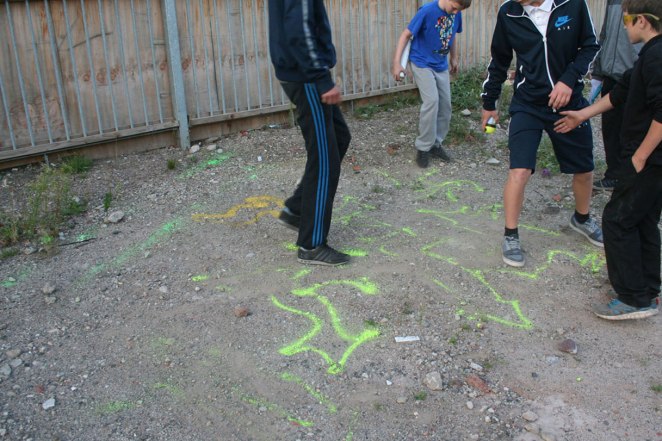
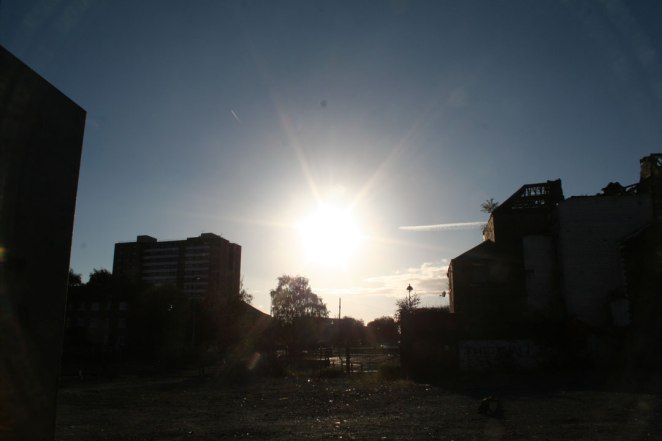
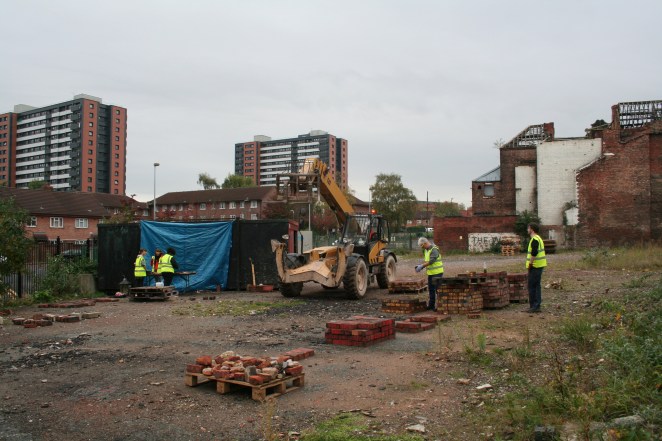
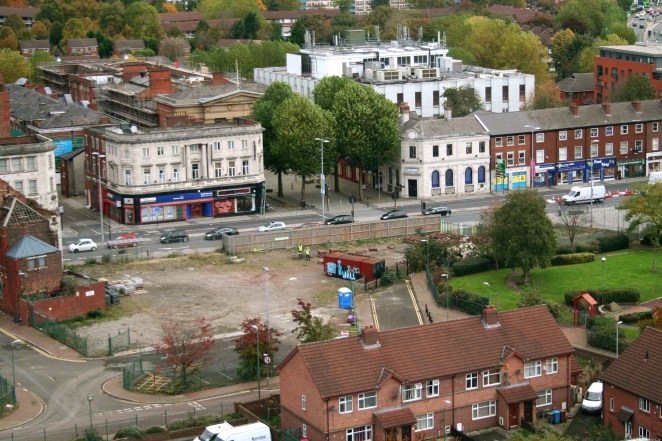
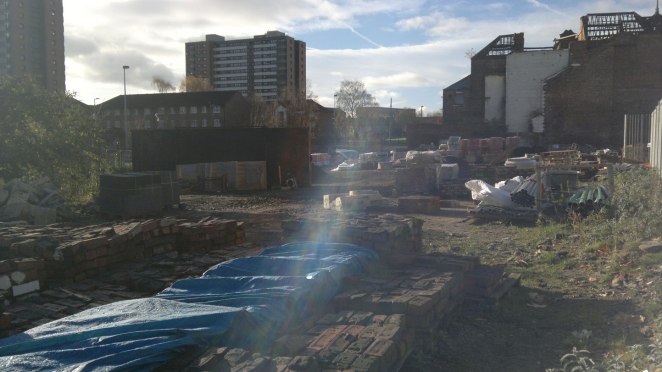
The aim is to use the salvaged remnants as the building blocks for a community-built monument and open community space, anchored by the reconstruction of the Wall – 100 metres east of its original location, on a development site opposite Bexley Square.  The council and English Cities Fund have allowed the project to use the site until 2016, when development is due to take place.

Community / Heritage

Integral to the project is the opportunity for the local community and general public to co-develop and create The Salford Wall.  It’s to not only rebuild a physical structure as a means of reconnecting with Chapel Street’s disappearing heritage, but to be guided by the social history and principles embedded in the building and its bricks – how and why the building was built, by working class labourers as a structure of unified care and support.  It’s a history that, through the building’s origins and use, is gradually being rediscovered and encompasses not only that of Chapel Street and Salford, but has links to Liverpool (via Royal Liver) and also Manchester (the bricks came from Bradford Colliery).  Its to use this history and heritage in a very real sense.

Support and development

The project has been underway since September 2013, with funding support from Arts Council England and Henry Moore Foundation.  There’s much more I can say about the building and its legacy, about how the local community has been involved thus far and how this is evolving.  The project is nevertheless at a stage where it needs a further injection of support, hence approaching HLF.

It’s a slightly tricky scenario as I’d be applying as an individual, and am not the owner of the ‘building’ nor the reconstruction site.  In theory, the owners are the people of Salford, via the city council.  It’d be fantastic to have some guidance on how might be best to proceed, to be eligible for an HLF grant.  Also, as the longevity of the project (as a monument) is still uncertain, it’d be invaluable to have your advice on the scope of what HLF might be able to support; the rebuilding process is a heritage activity in and of itself, but there is massive potential to develop and strengthen the various strands of activity within.


NIGHTCLUB, Institute of Contemporary Arts, London

N I G H T C L U B
curated by Jen Wu, ICA Exhibitions

photo_001

Saturday 28 June, 2008
9pm to 4am across the entire ground floor of the ICA (Lower Gallery, Cinema, Bar, Theatre, Concourse)
£12
SOLD OUT
By special arrangement the ICA will be open until 4am. Live acts from 11pm. Dress code: come as you are, don’t hold back.

A R T I S T S :
Gang Gang Dance.
(live).
Prinzhorn Dance School.
(live).+.Suzi Horn.(DJ).LOST.presents.Andrea Parker.+.Colin Dale.+.Steve Bicknell COCADISCO.presents.Trevor Jackson.+.DJ Benetti.+.Rodaidh and Piers Martin.+.Team Mega Mix.+.Heartbreak.(live) NUKE THEM ALL!.with.Buster Bennett.+.Fonteyn.+.Alex Sedano.(VJ).+.The Fresh Flesh ‘Interconnected Echoes – After Hours Salon’.with.Matthew Stone (!WOWOW!).+.Princess Julia (P.I.X).+.more

This slideshow requires JavaScript.

Fantastic!! Amazing! Rave on! It is a crazy feeling. Music at the ICA is the best in London! No really. Love from a happy, sweaty punter.

I love it. Mentally fucked up and happy.

– (unsolicited) comment cards left after the event

Transforming the entire ground floor of the ICA, Nightclub invokes the spirit of club and rave subculture for an all-night freefall marathon. As the new millennium pushes forward and an inward tribalism takes hold, Nightclub revels in a collective release. In a moment of spectral hallucination, reflection, and immersion, Nightclub pushes the boundaries of the contemporary art experience as simultaneous scenes collide, escaping normal forms of identity through trance, battles, illicit encounters, unstable visions and music.

Featuring a special live performance by Brooklyn tribal-futurist noise quartet Gang Gang Dance. Stunningly beautiful, splintering, beat-driven electro-acoustic chaos, their music has been described as ‘a close relative of religion’. Straddling the art-music hybrid, their explosive sonic and visual array forges territories so invigorating and liberating it feels like protest. Gang Gang Dance were included in the Whitney Biennale 2008. Opening for Gang Gang Dance will be the elusive and reclusive Prinzhorn Dance School (DFA Records). Taking their name from a German psychiatrist and author of ‘Artistry of the Mentally Ill’ their nervy, provocatively spare music has elicited comparison to The Fall with its seething, taut intensity – ‘manic flashes from a conflicted brain that keep the line between the perceptive and the unhinged obscure’.

Alighting in the lower gallery, the ‘unbridled hedonism’ of Fonteyn and Buster Bennett‘s Nuke Them All! sets ablaze the neon post-rave apocalypse. Formerly sited in an East End strip club, their renegade attitude of bring-your-own and be-your-own art has unleashed nights of spontaneous mayhem.

The retro-futuristic Mediterranean sounds of London club night Cocadisco washes over with blissed-out electro waves, combining cinematic soundscapes, electro funk and classic Italo disco courtesy of Renaissance man and renowned DJ and producer Trevor Jackson, Rimini hotmix legend DJ Benetti, resident DJs Rodaidh & Piers Martin, and DJ duo Team Mega Mix. Dark disco hybrid Heartbreak perform a special live set hot on the heels of their Glastonbury debut. ‘It will make you dance with tears in your eyes… like bi-polar maniacs in the brink of an ecstatic panic attack’.

In the cinema, artist Matthew Stone (!WOWOW!) and friends host ‘Interconnected Echoes – An After Hours Salon’. An extension of a larger project and archive in which Matthew asks the people he admires some of the big questions in life, this open intervention features Princess Julia and other pivotal figures from London’s art and club worlds discussing everything from love, faith and changing the world to nightclubs as incubator for radical ideas.

Transporting us into a glorious hard-hitting techno afterlife will be Steve Bicknell, resident DJ and main curator of the legendary Lost events. The first to bring luminaries such as Jeff Mills, Richie Hawtin, and Robert Hood to the UK, Steve’s unwavering commitment to quality and innovation has shaped a scene in London and worldwide, with his own appearances ranging from the groundbreaking Energy parties to Tresor, Ostgut, The Rex, Sonar, and Tribal Gathering to name but a few. Alongside Steve, Lost presents longtime collaborators Andrea Parker and Colin Dale. From early days warming up for Tim Westwood at Gossips, Colin Dale soon became a household name as DJ for pirate station Kiss FM’s pioneering ‘Abstrakt Dance’ show which over 16 years no less than brought techno to the masses. With a reputation for seriously sinister basslines, Andrea Parker’s dark universe has been called the missing link between techno and experimental music. Her extensive history as a DJ and producer spans releases on R&S, Mo’ Wax, Quatermass and her own label Touchin Bass.

Further visual and sound analysis comes from Say Fromage plus the ICA’s very own The Experiment, with a sound installation ‘Conservational Reverb Convenience’ by sound artist and co-producer of The Experiment Kevin Quigley: experience some ‘Warhol-ique’ dialogues in the ICA’s toilets(!) Also at various sites the unique interactive slide projections of William Parker aka World of Parker will be in effect.

Nightclub is conceived by Jen Wu on behalf of ICA Exhibitions, and developed in collaboration with Jamie Eastman, ICA Music. With thanks to Piers Martin.

Photos: Davide Bozetti (courtesy ICA). Additional photos Anthony Gross, Gabriel Green.