The [Salford] Wall (originally The Wall)
currently 255-285 Chapel Street, Salford
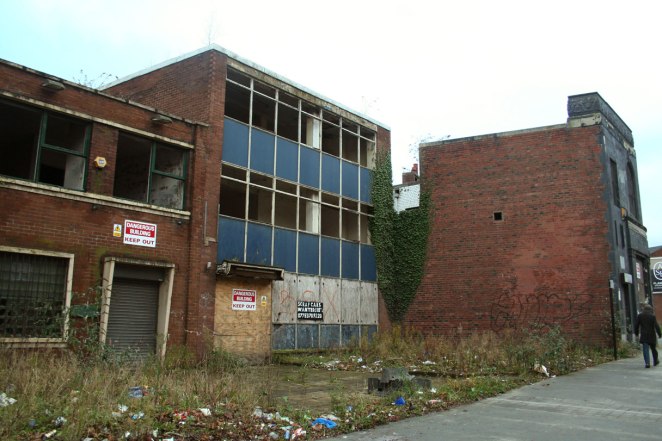
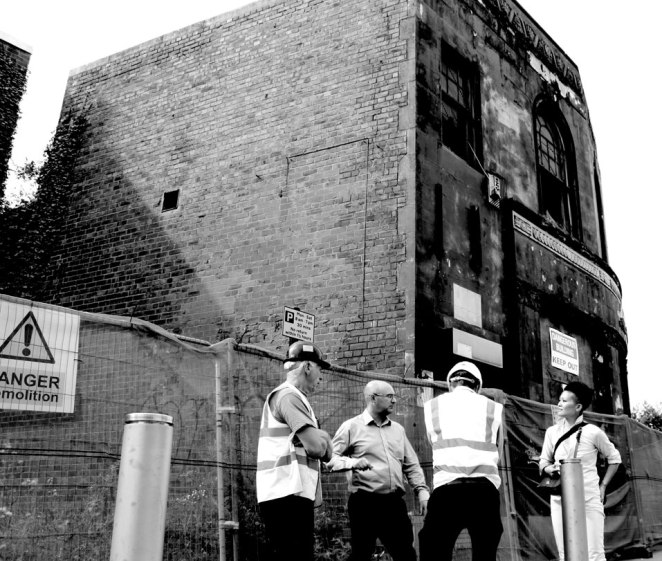
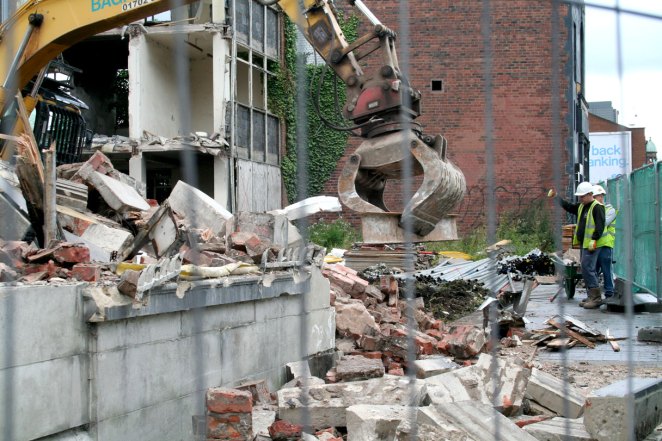
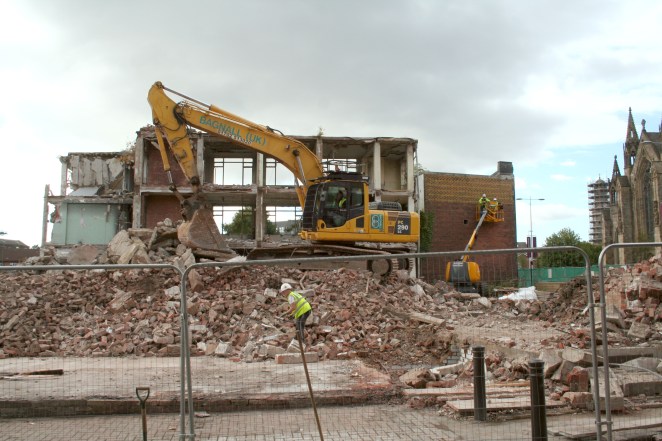
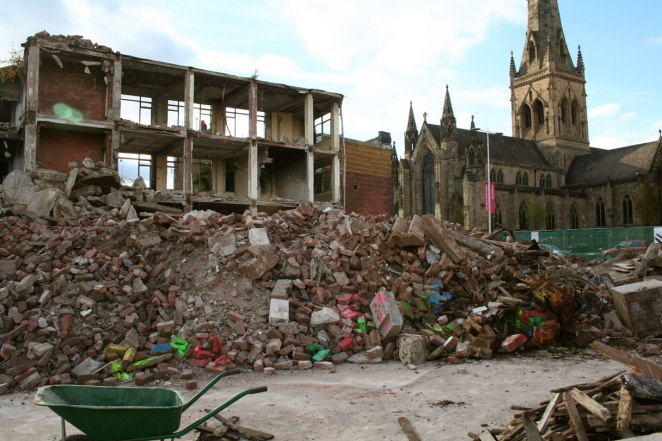
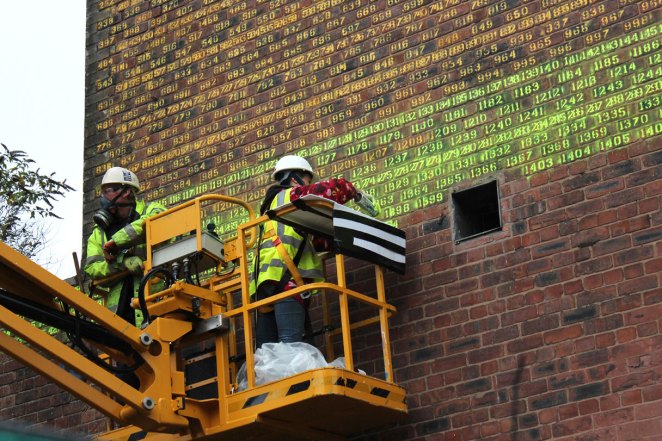
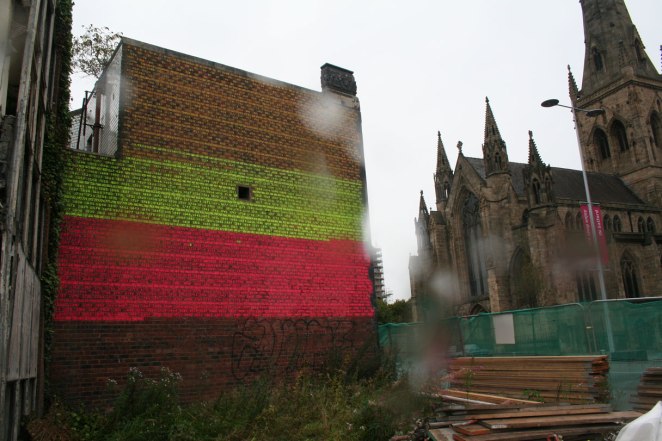
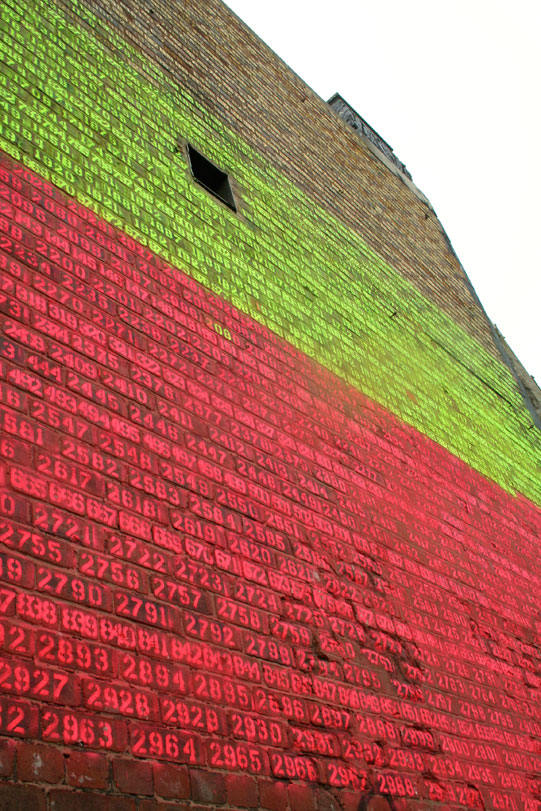
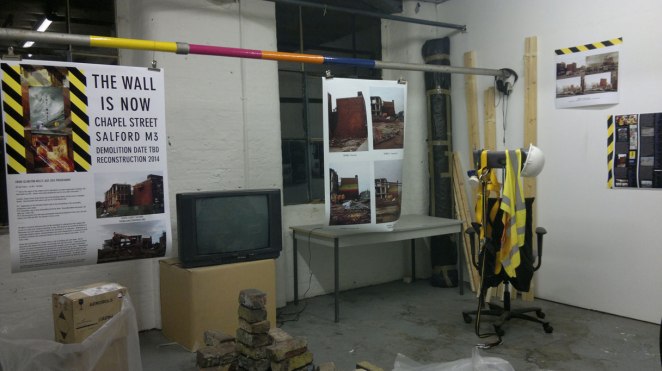
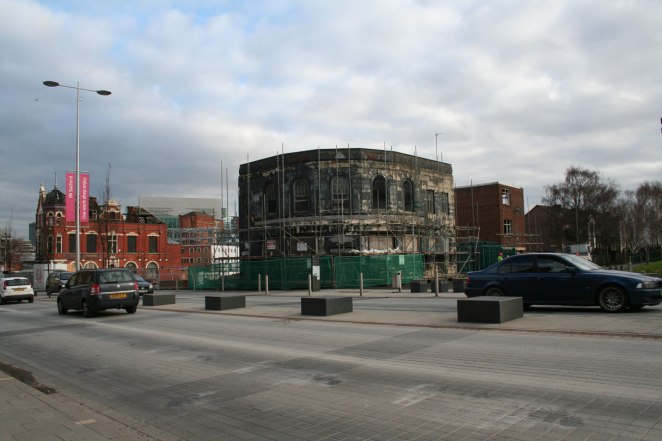
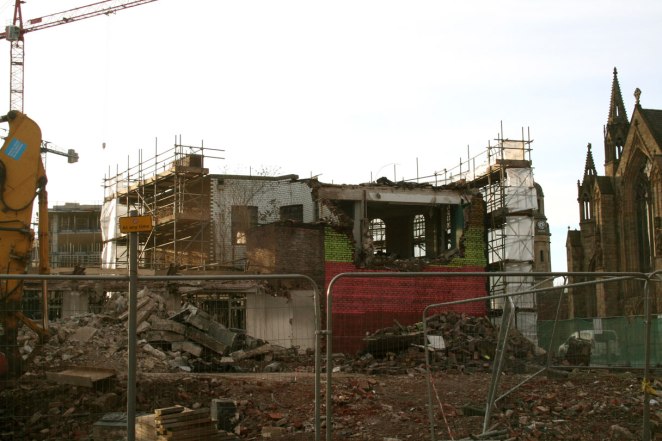
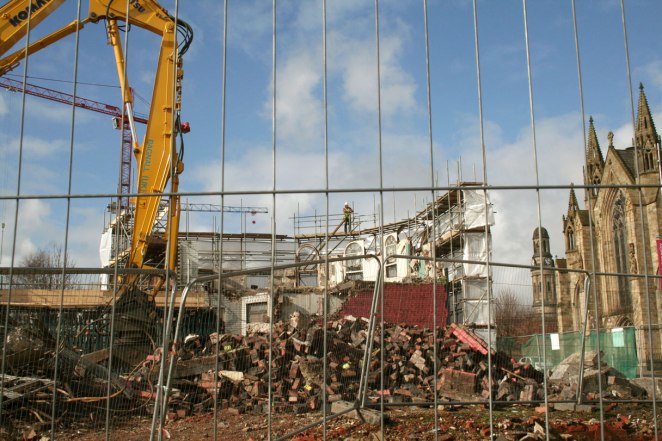
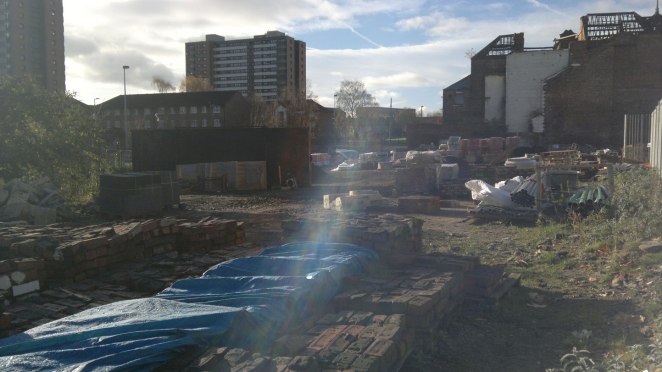
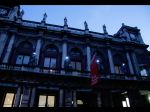
Rebuilding the east flank wall of the Old Bank Theatre / Royal Liver Friendly Society building (built 1930 at 301 Chapel Street, demolished 2014) as a grassroots monument to Salford.
Previously agreed as a temporary public sculpture to last until 2016, The [Salford] Wall (once rebuilt) now has the opportunity to remain permanently on Chapel Street, at the corner of Islington Park.
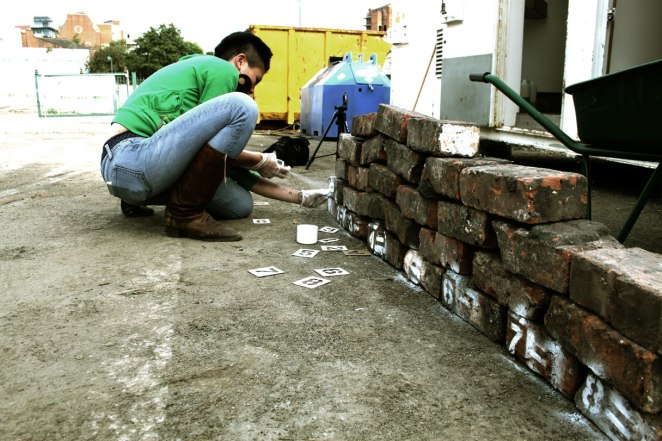
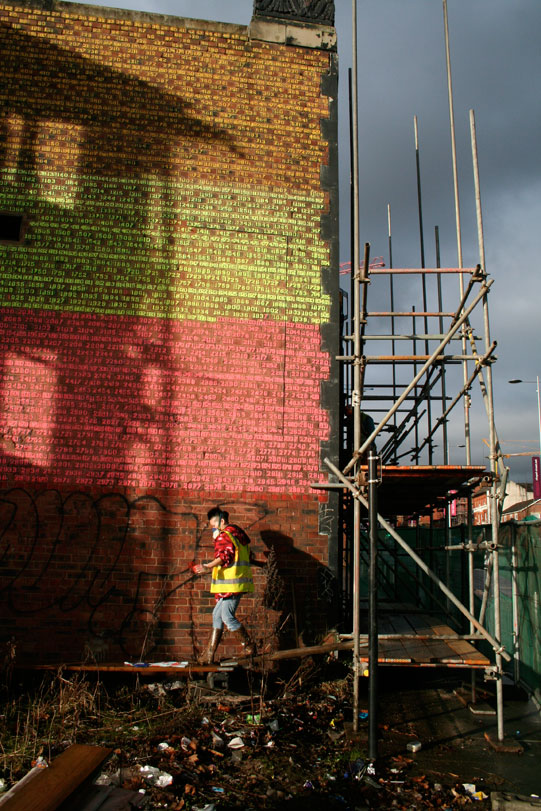
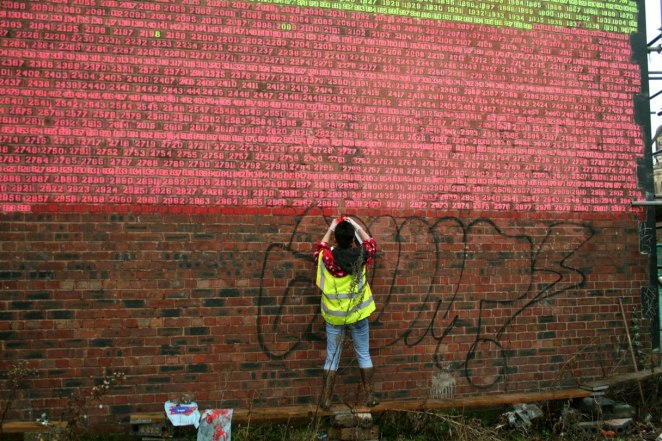
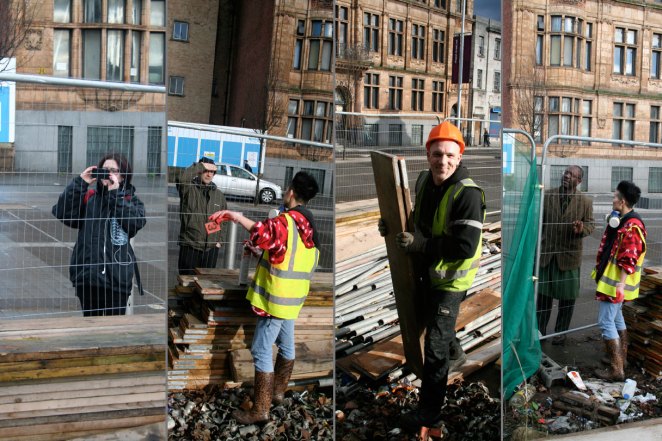
The project is presently unfunded and building an infrastructure of support so that the Wall can be rebuilt, as a series of open events. No previous experience necessary, everyone welcome.
The building was originally built by Royal Liver Friendly Society amidst a time of brutal austerity as a physical and financial structure of Northern working class solidarity and mutual support. Help keep this heritage in Salford. If you can donate some time – whether cleaning bricks, helping with publicity and raising support, or would like to simply get involved, please contact Jen on:
thewallmustberebuilt@gmail.com
07766 130 860
facebook/twitter: thesalfordwall
thewallmustberebuilt.org
– – – – – – – –
Part I: January 2012 – April 2015
Initiated by artist Jen Wu
In collaboration with Islington Mill
In cooperation with: Salford City Council, English Cities Fund, Urban Vision
Support in kind: Bagnall UK
Funding: The Henry Moore Foundation, Arts Council England
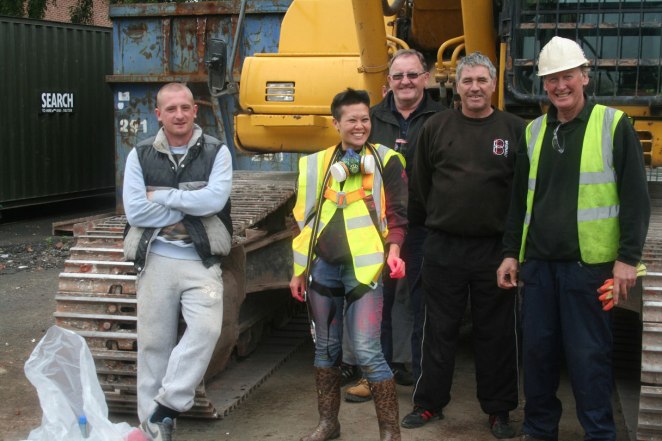
And made by the voluntary efforts and incredible generosity of numerous individuals in Salford and beyond.





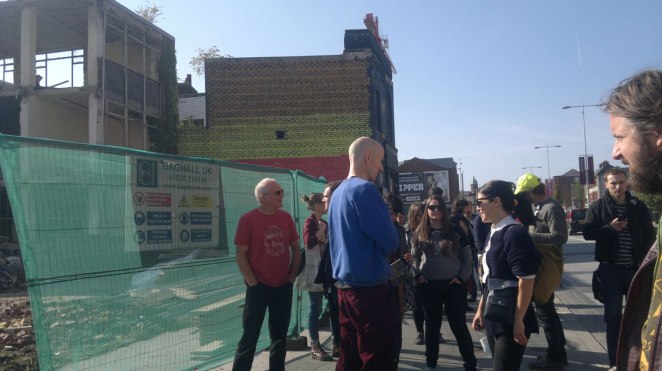
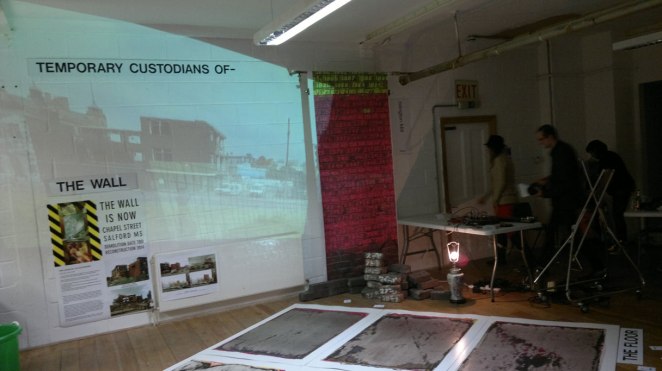


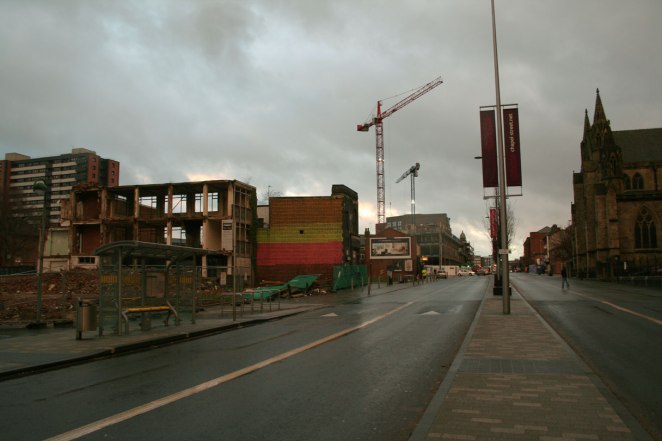
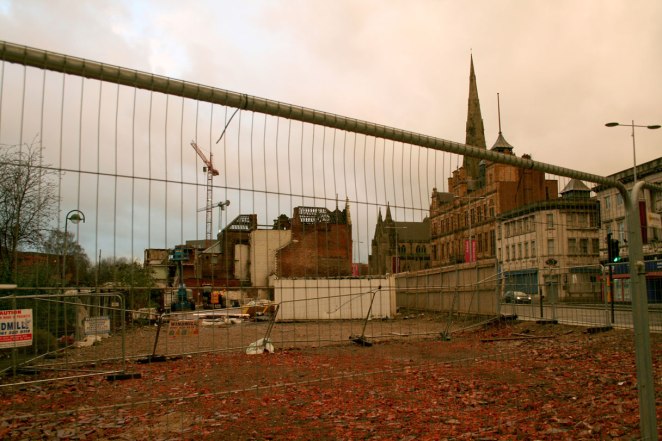


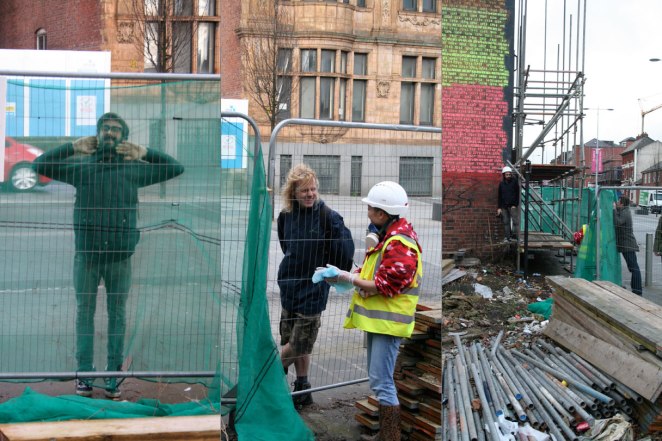
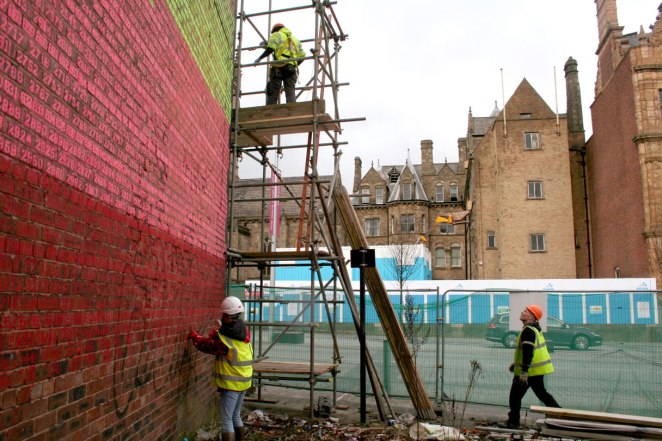
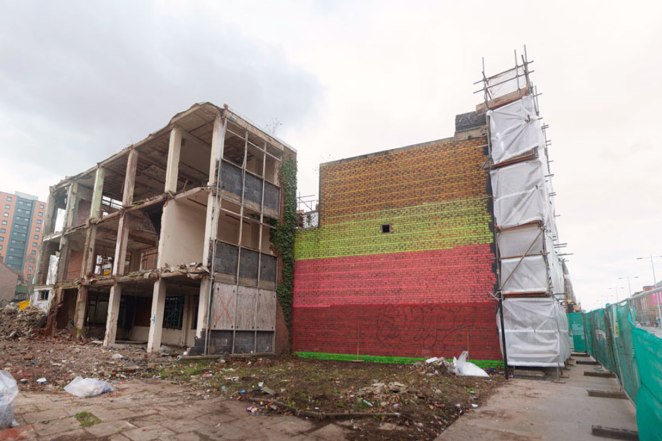




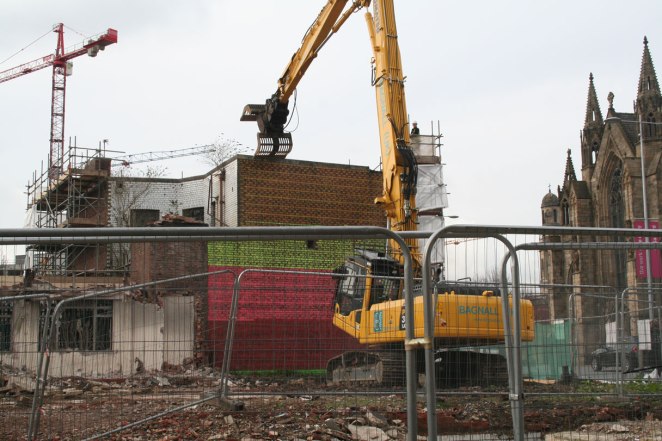


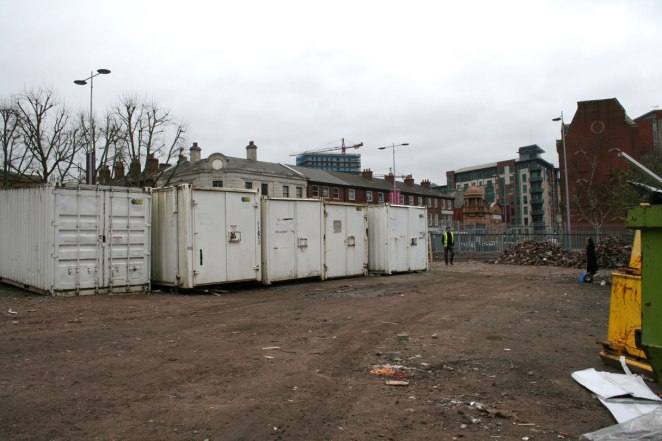

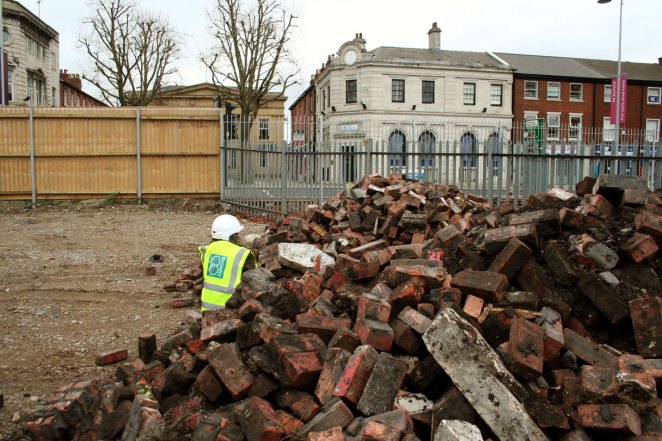


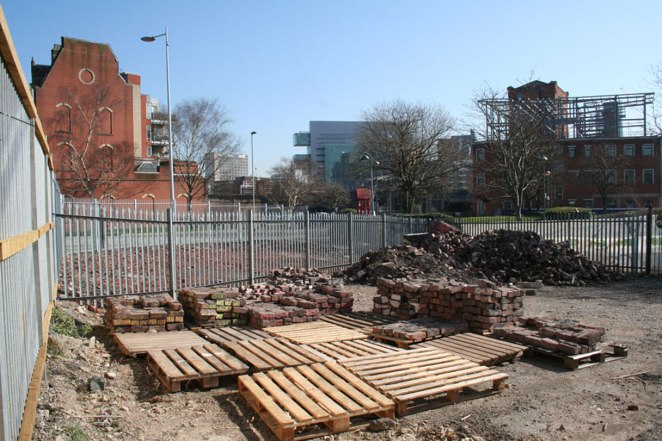
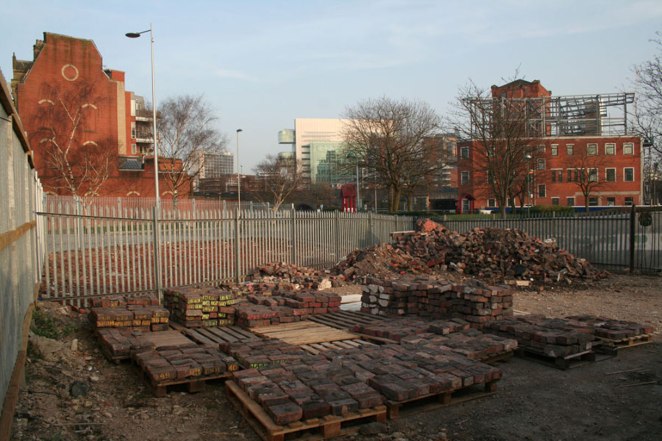


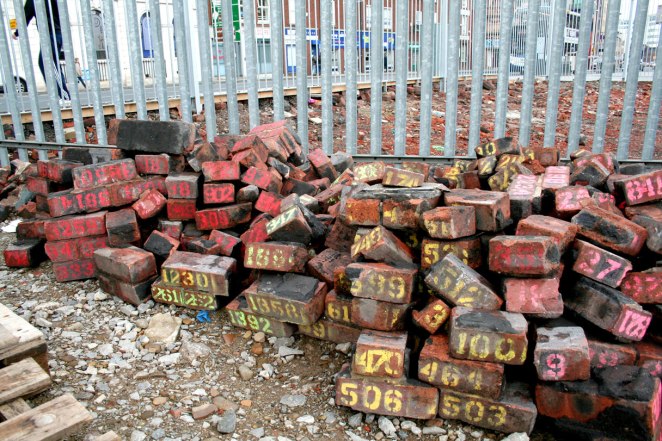
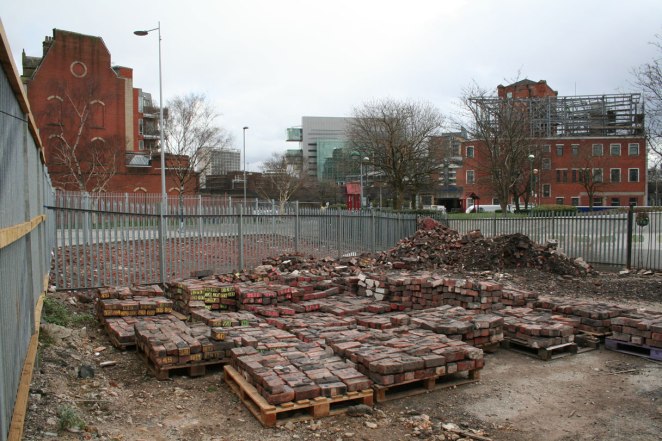
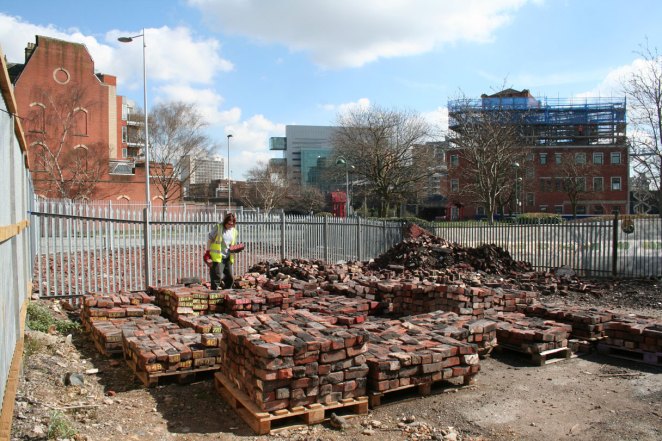
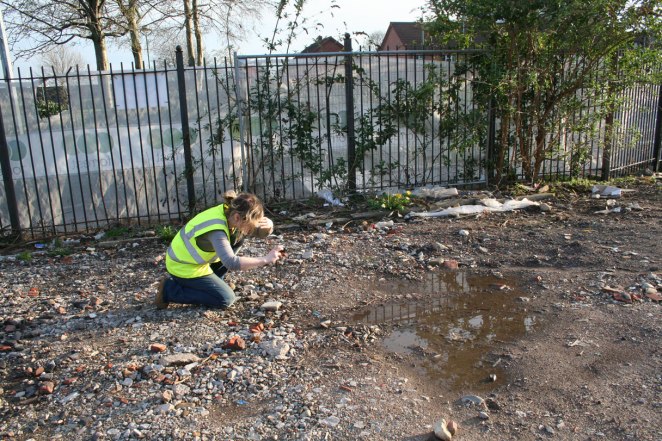

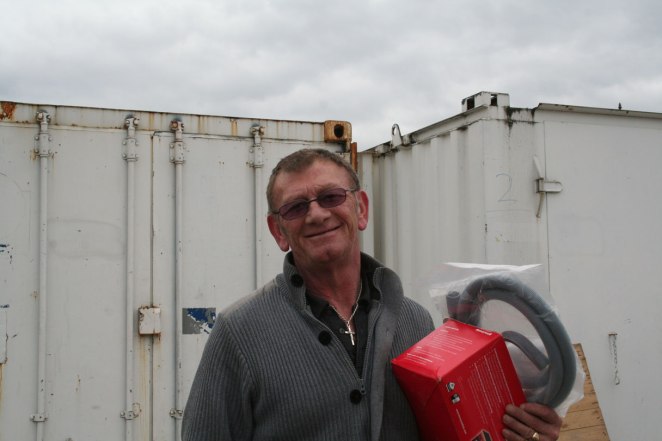
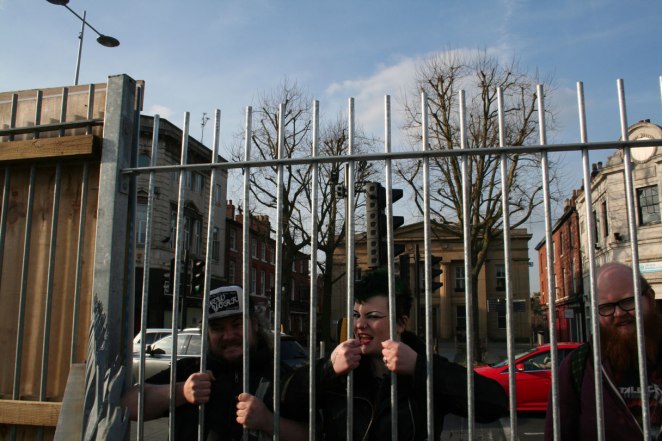
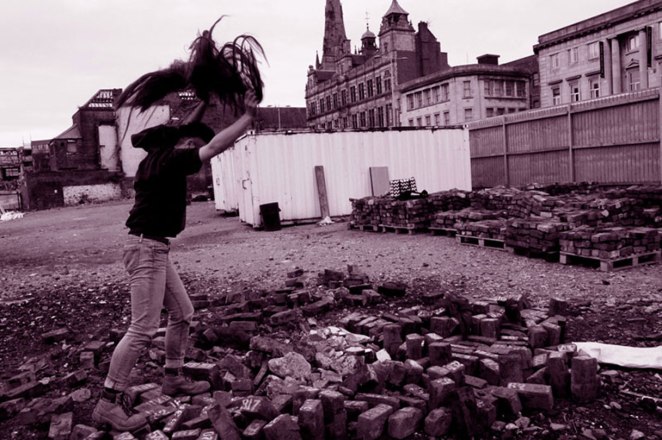

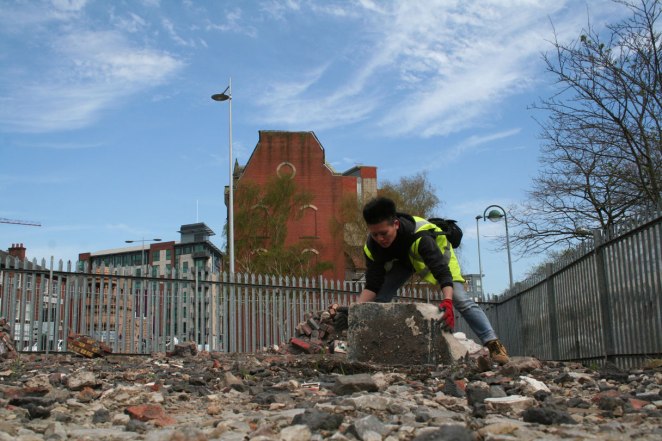
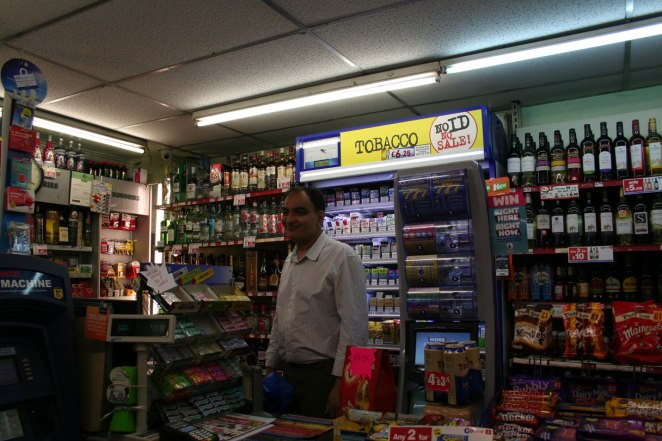
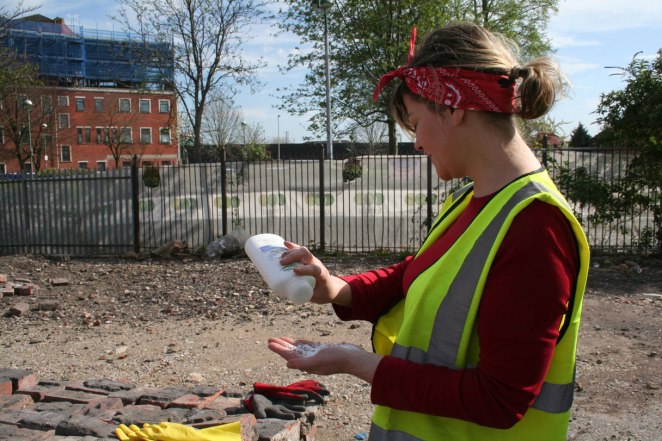


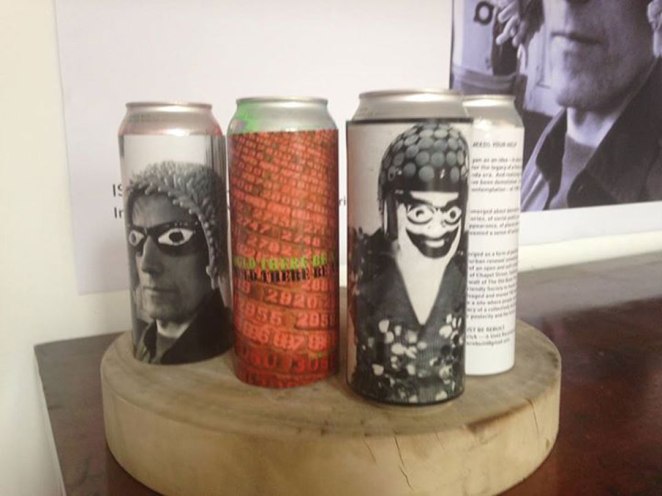
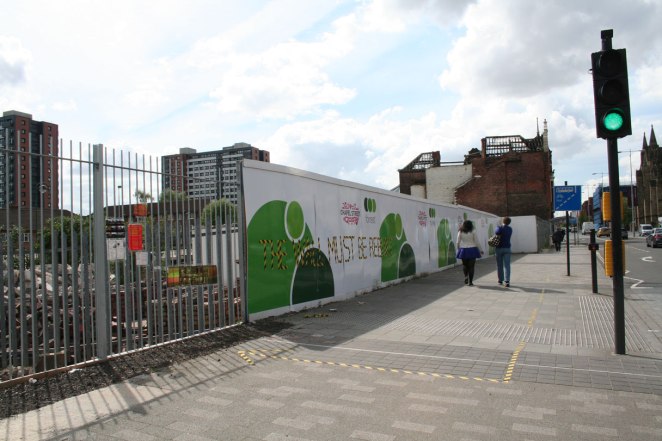
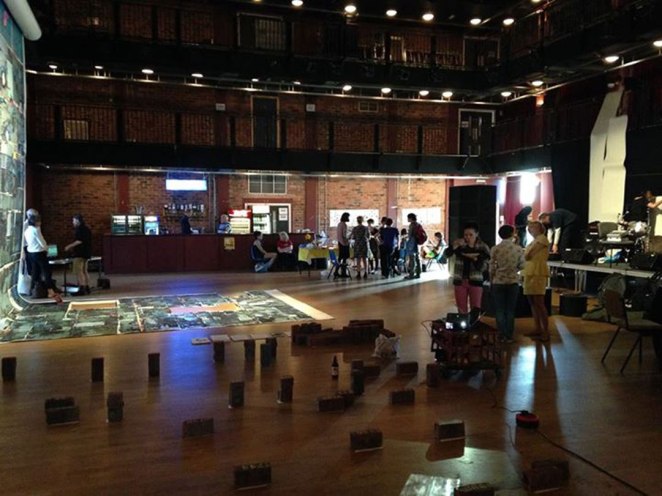


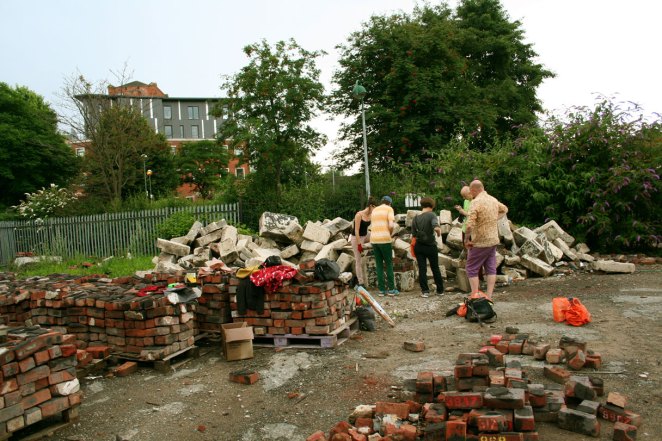
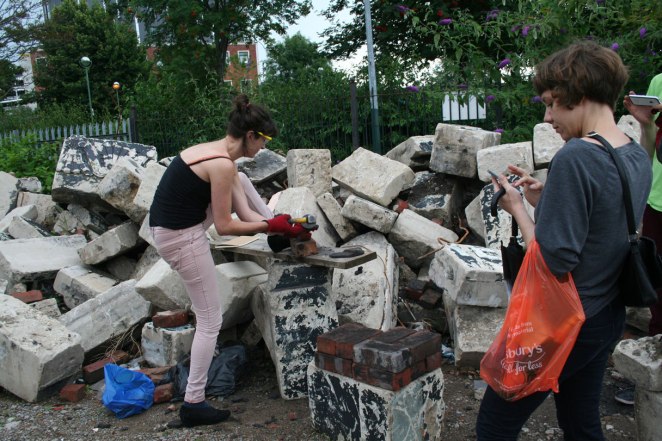


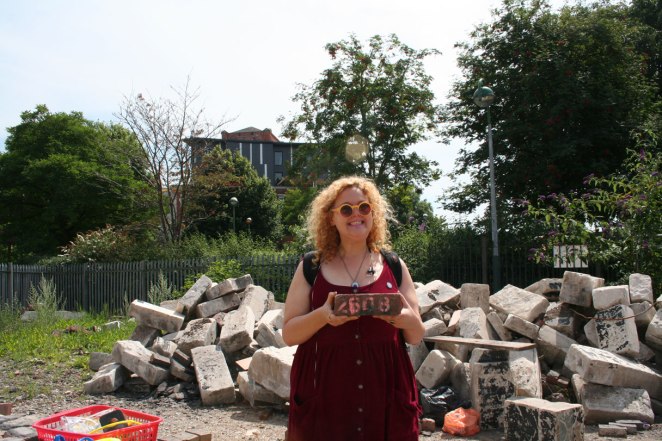
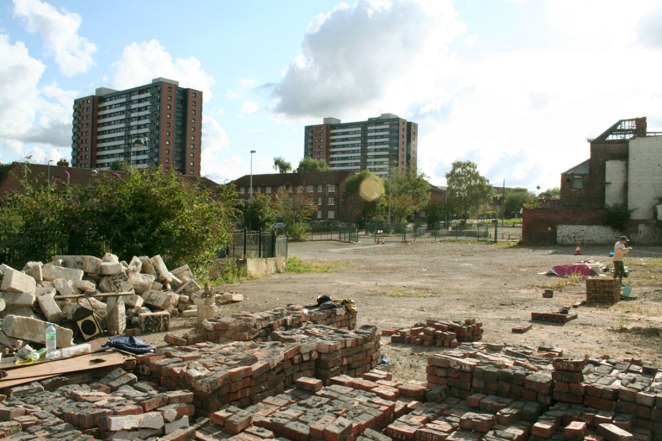

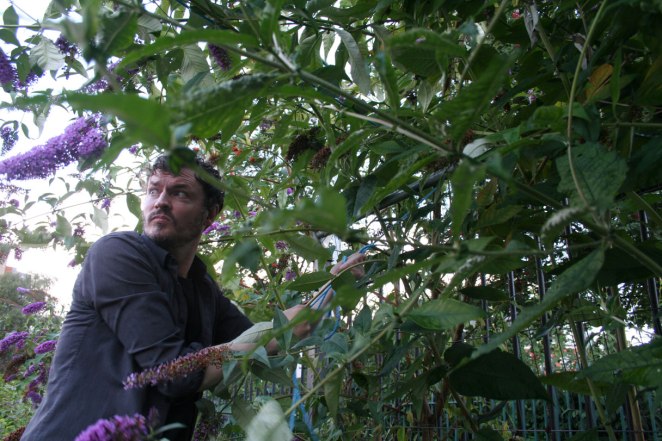
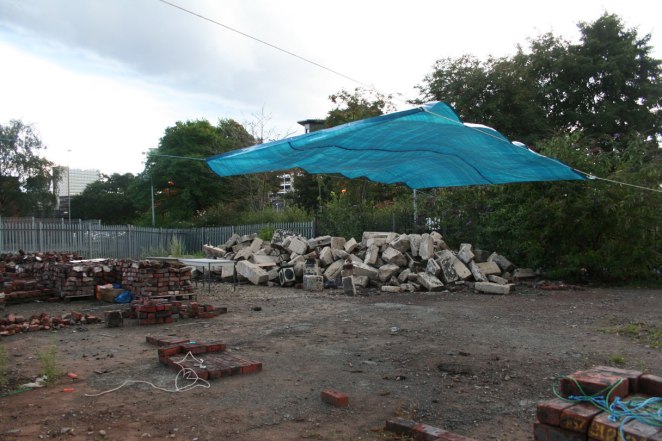
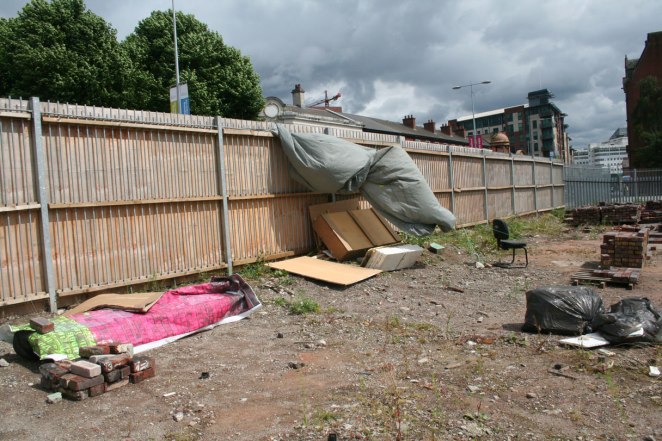

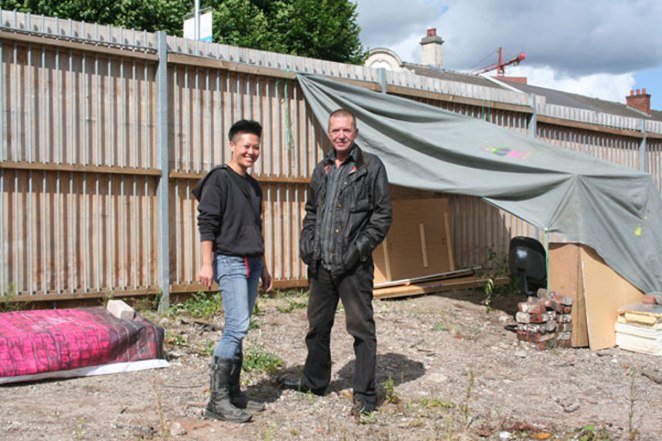
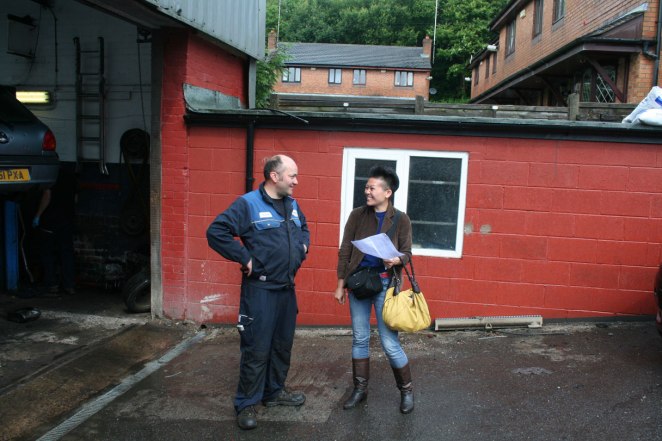
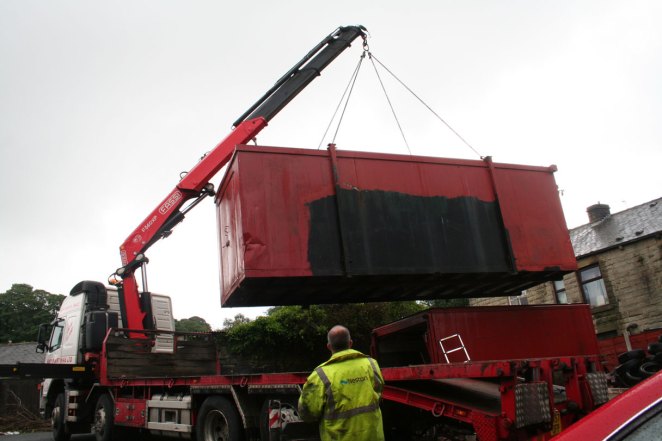


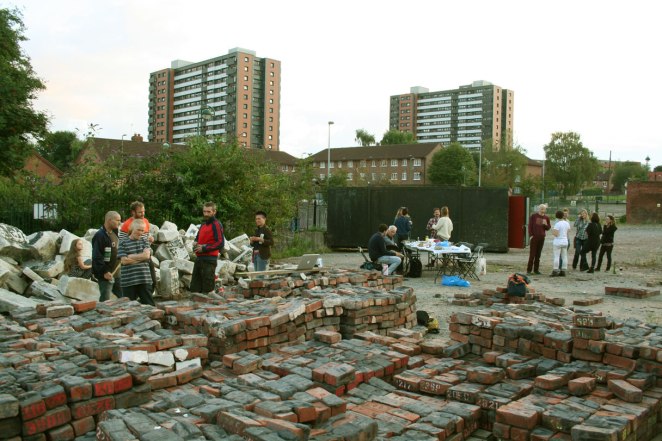
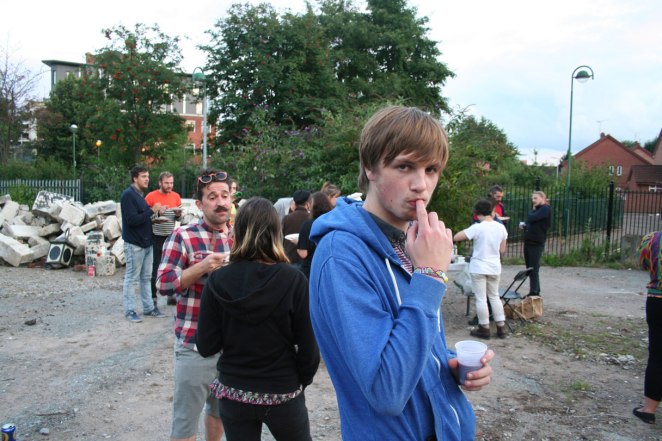
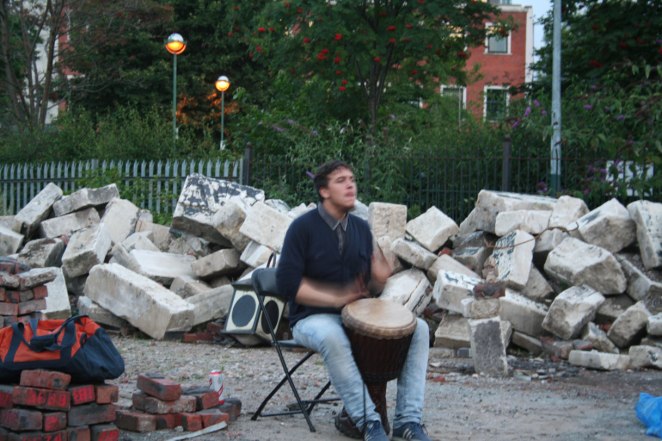


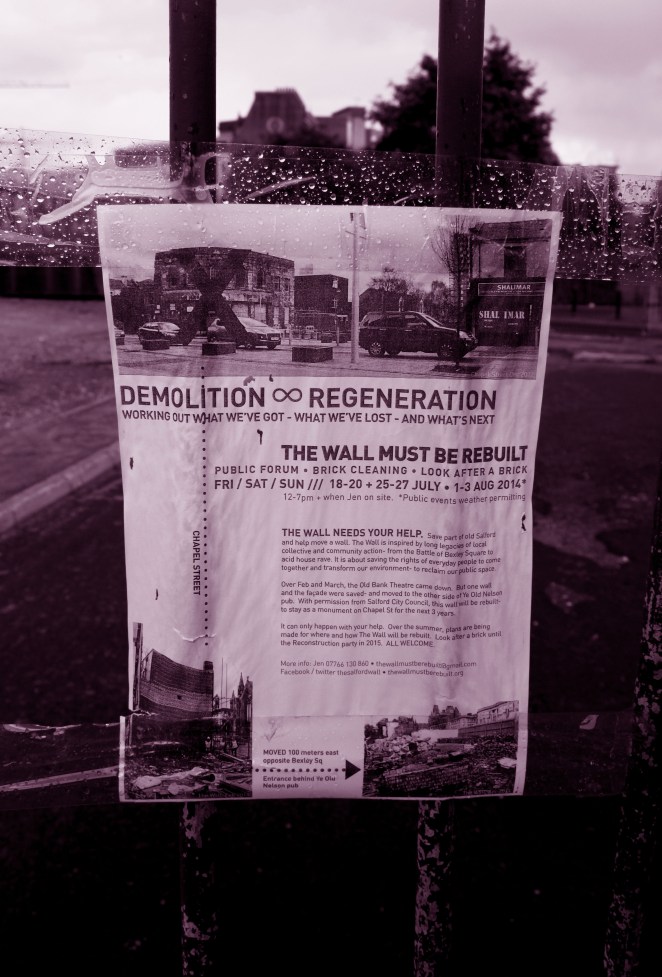
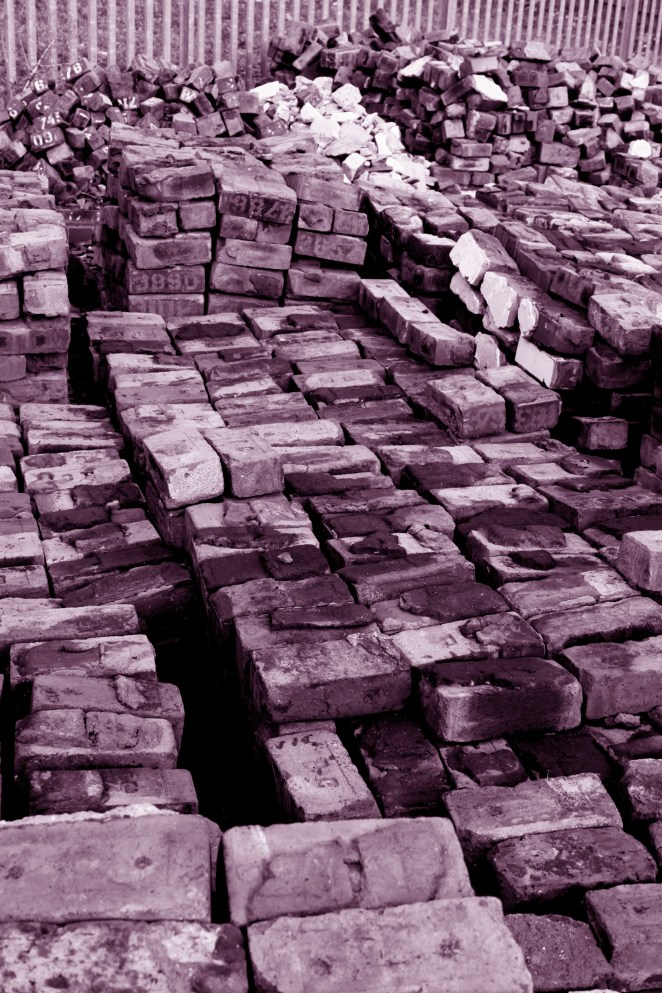
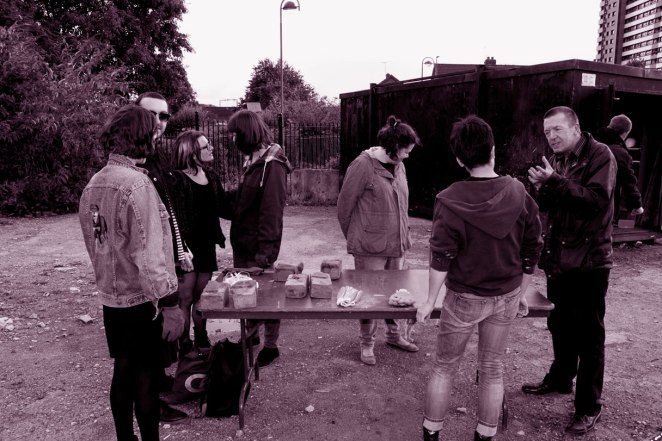
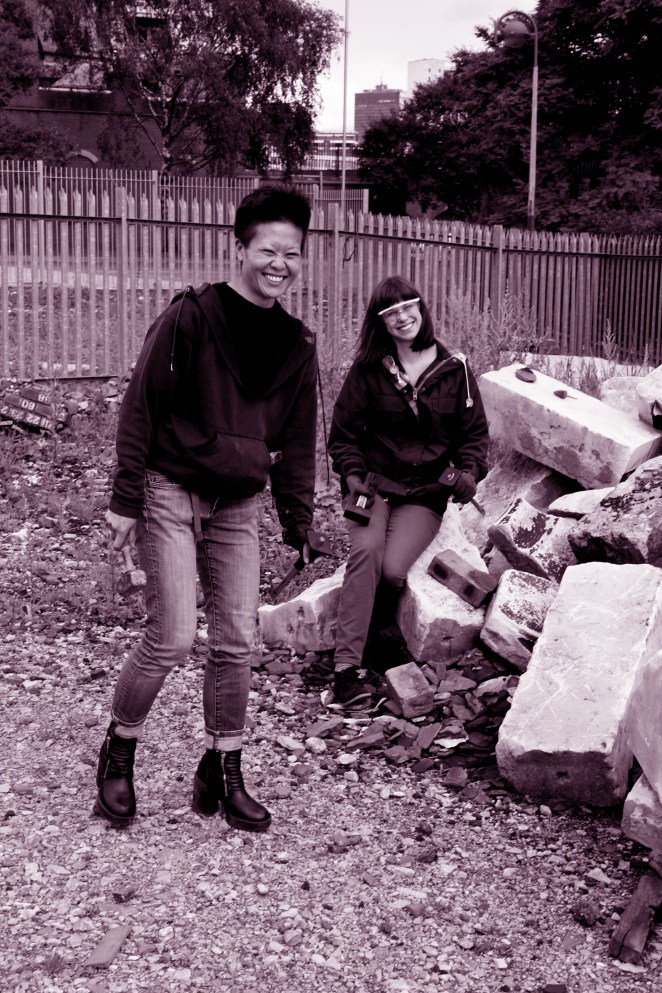


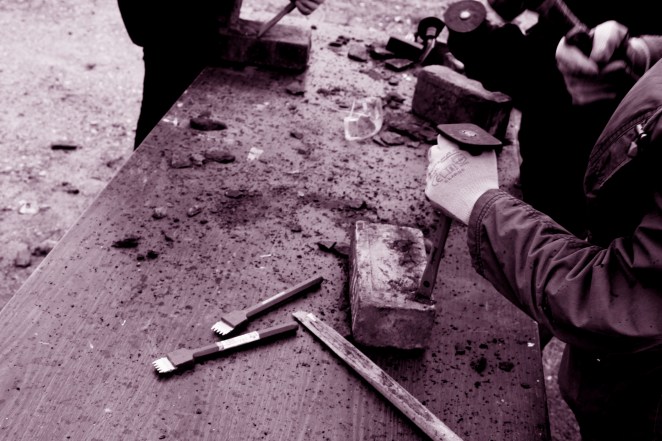


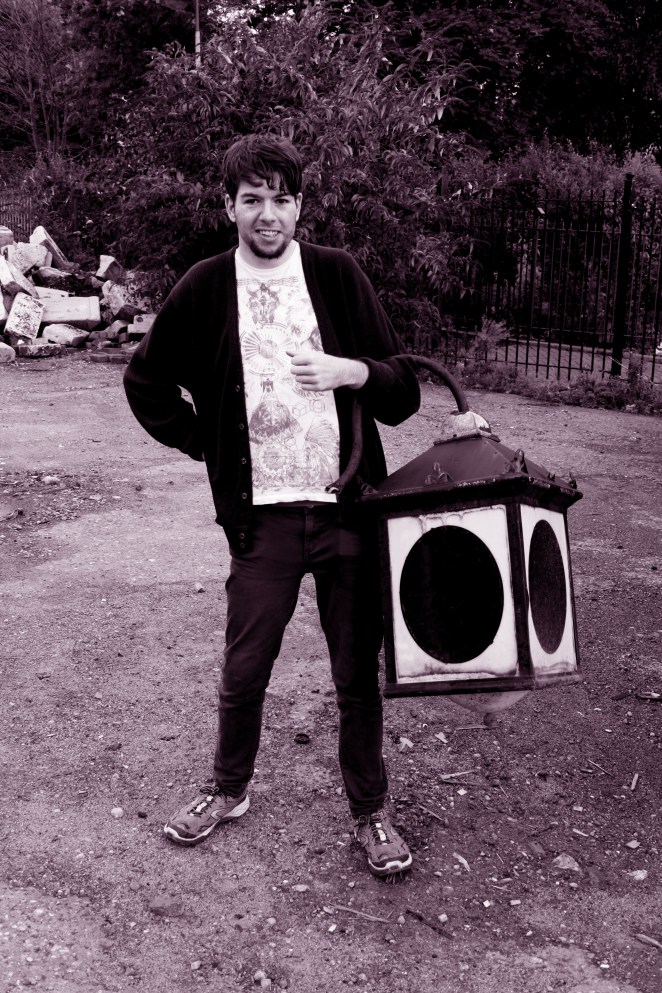
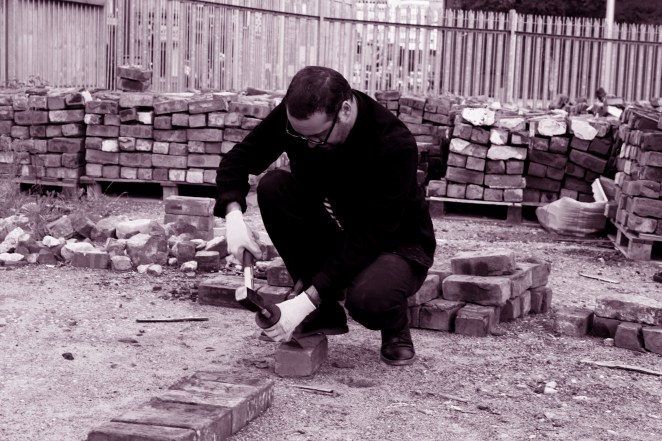

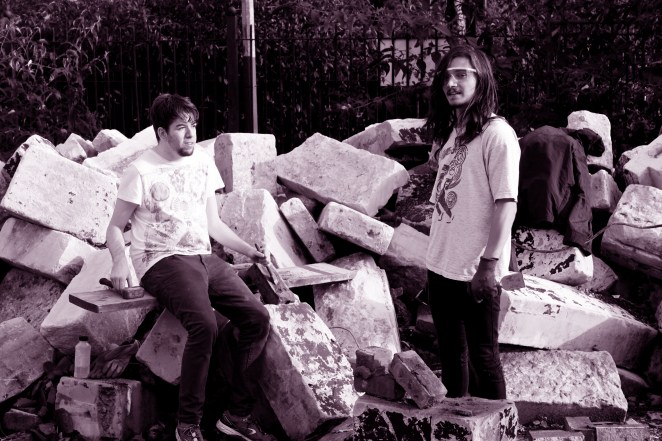


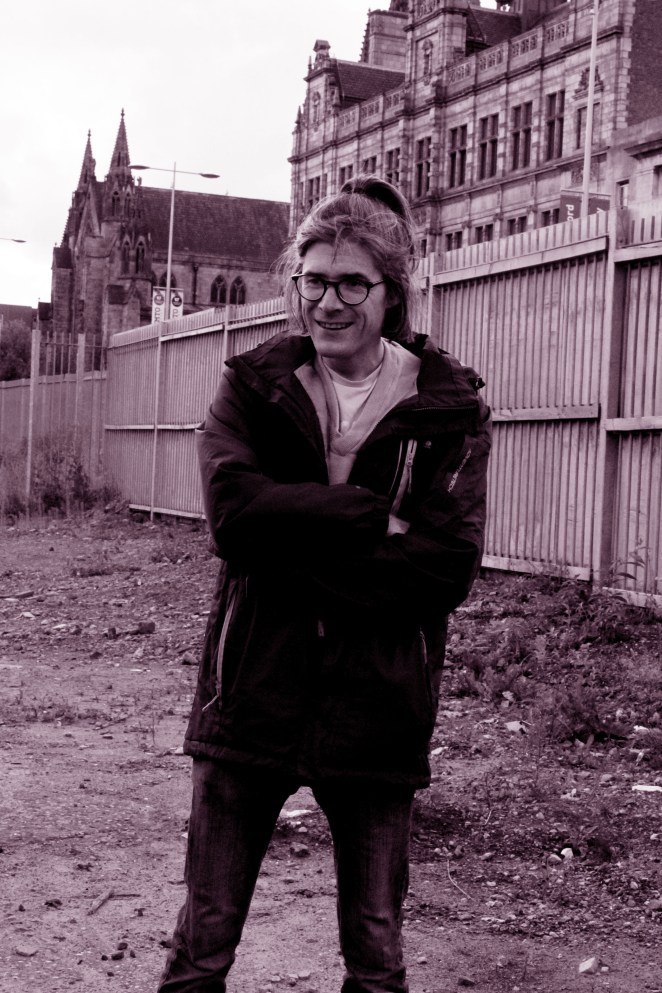
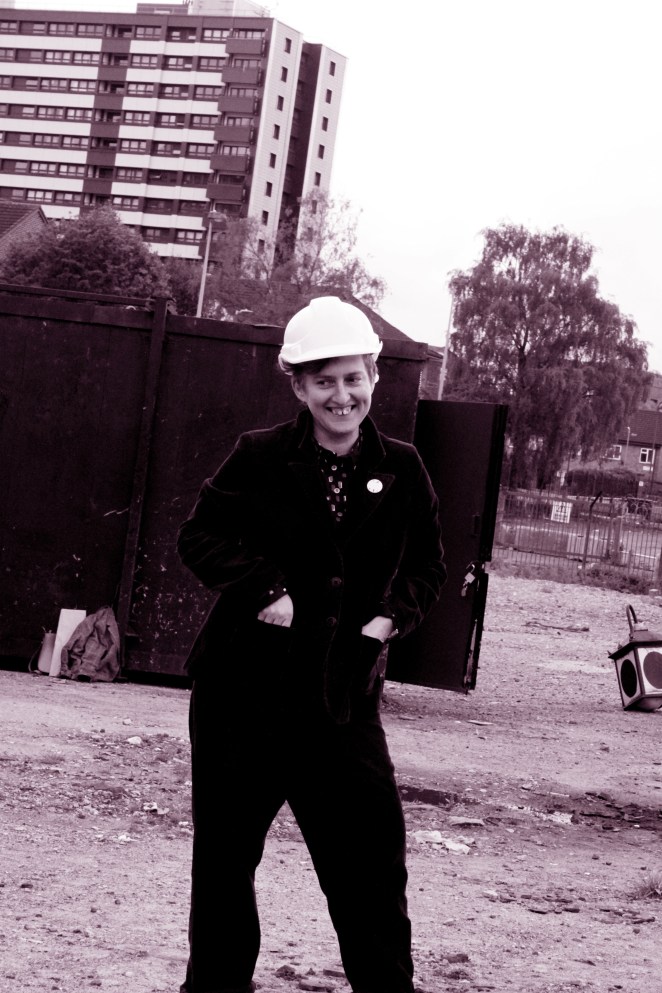


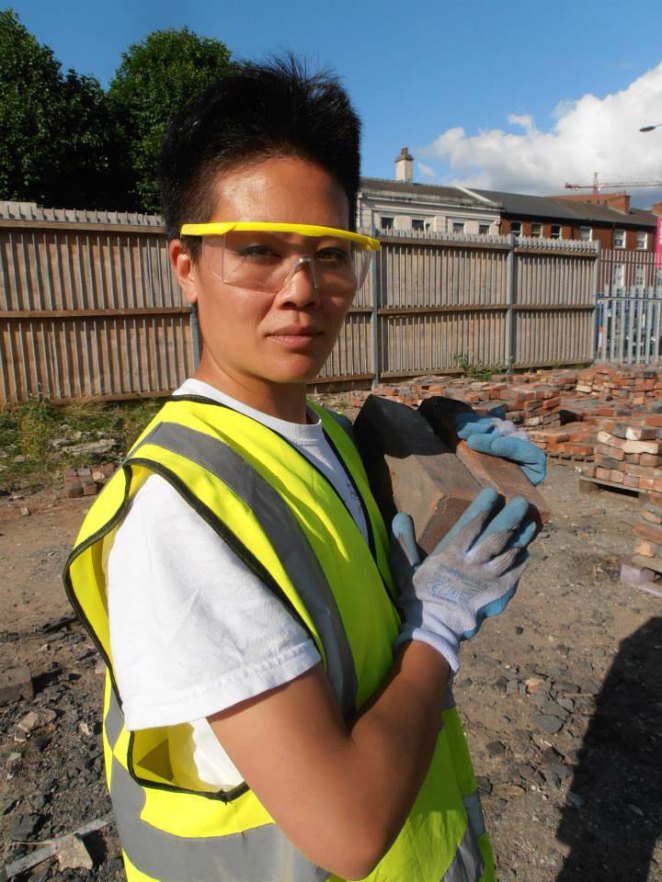
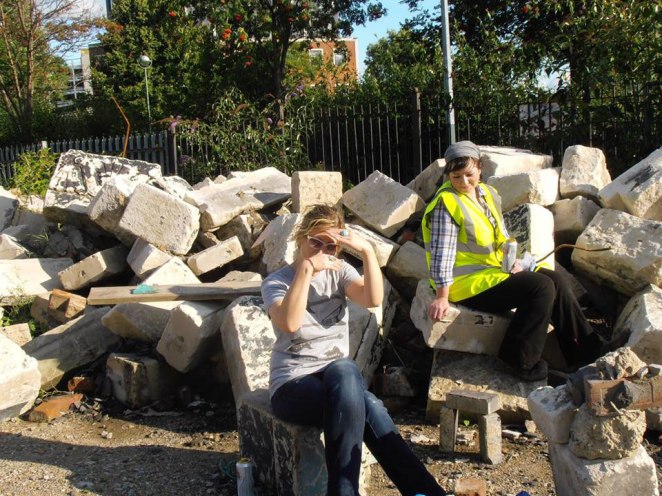
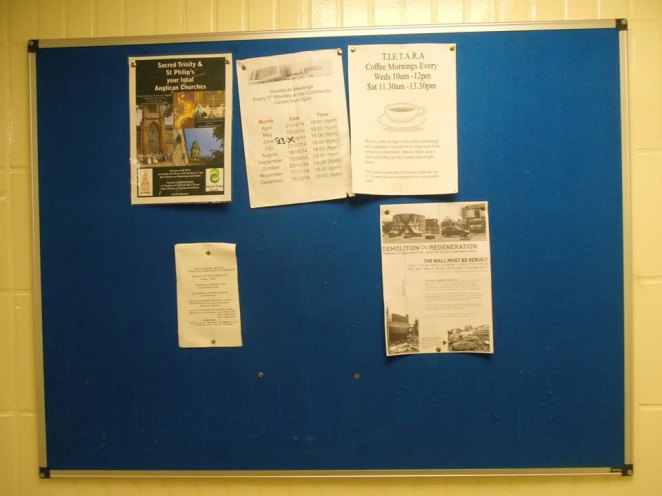


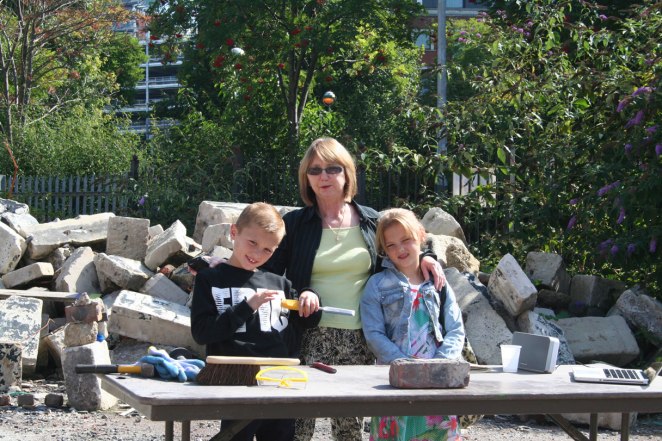


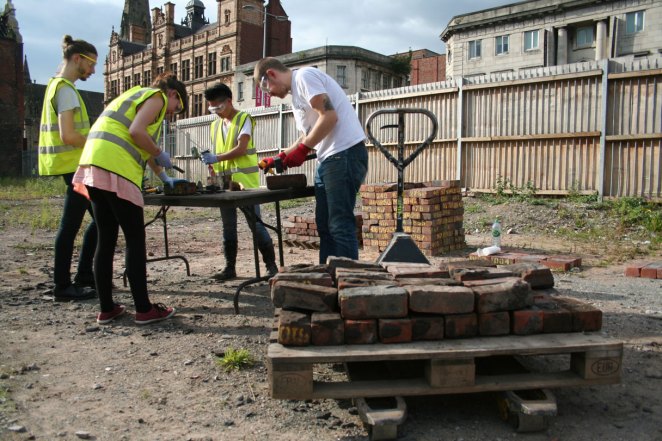


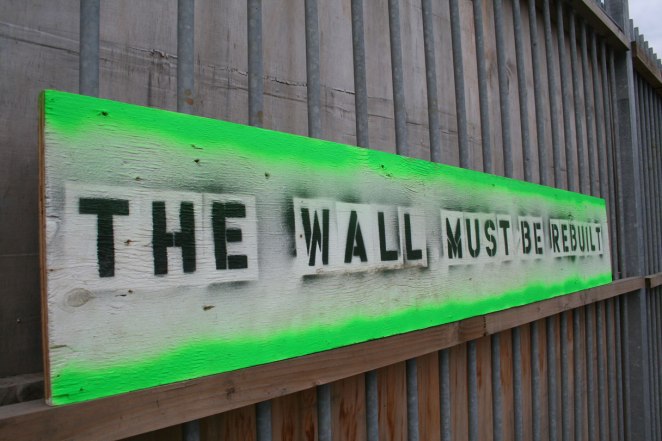
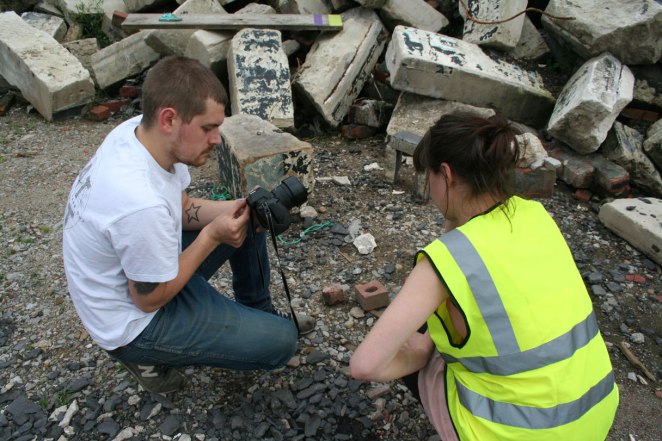

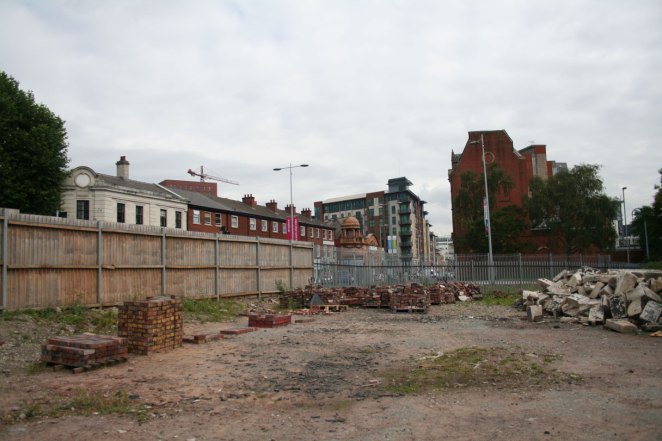
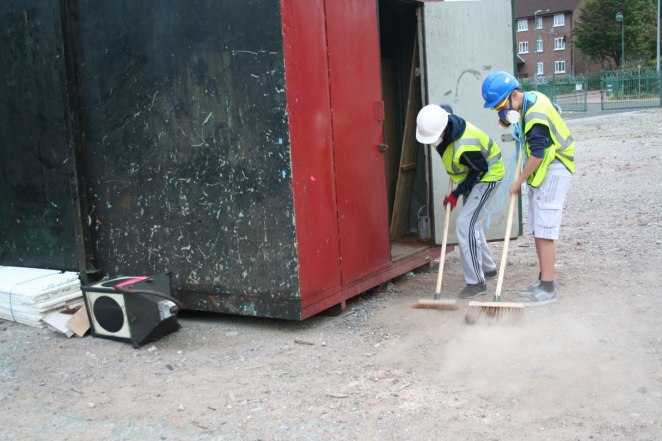
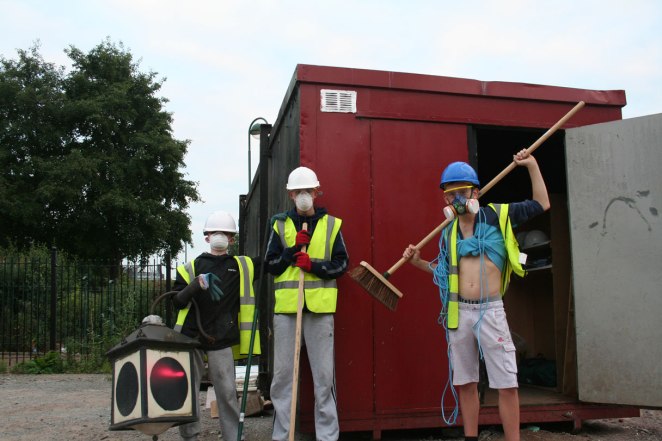
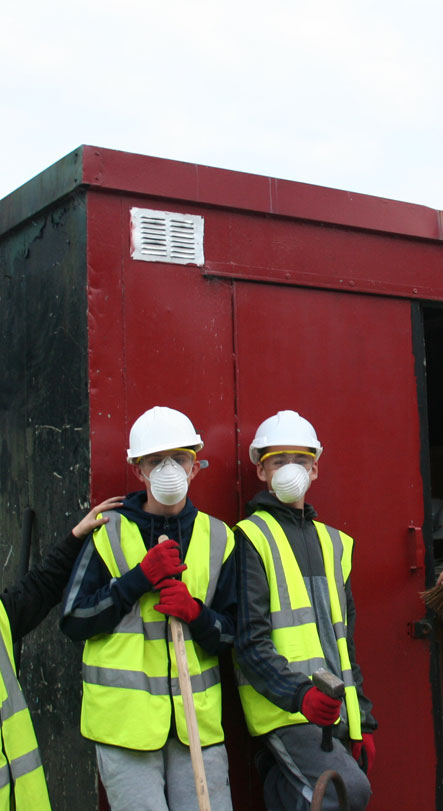
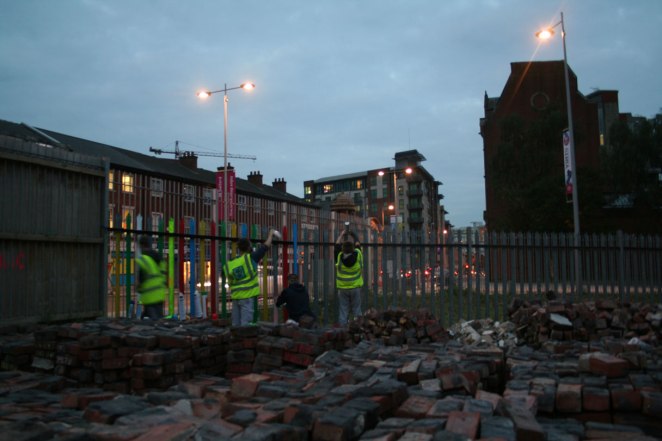


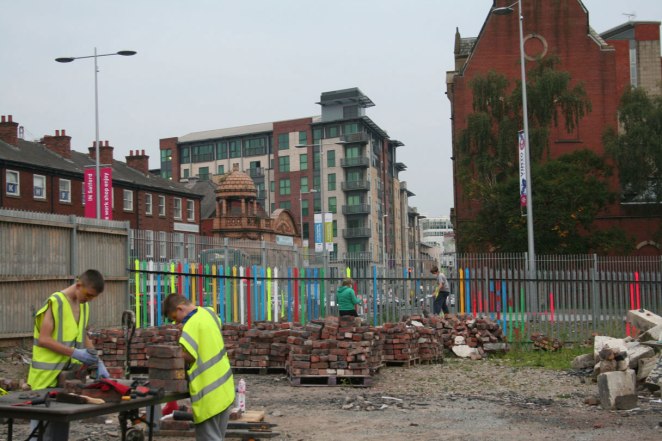
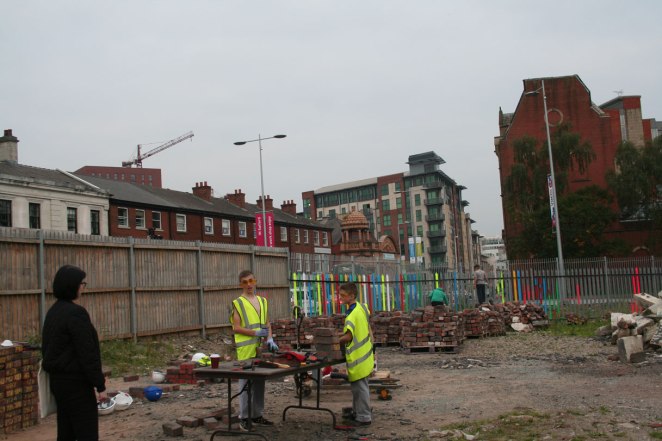
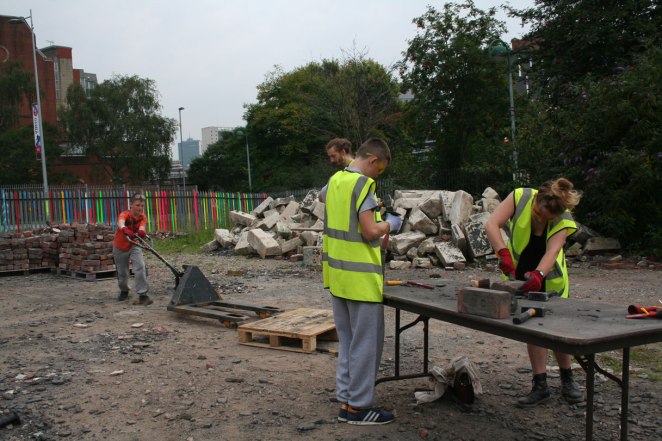
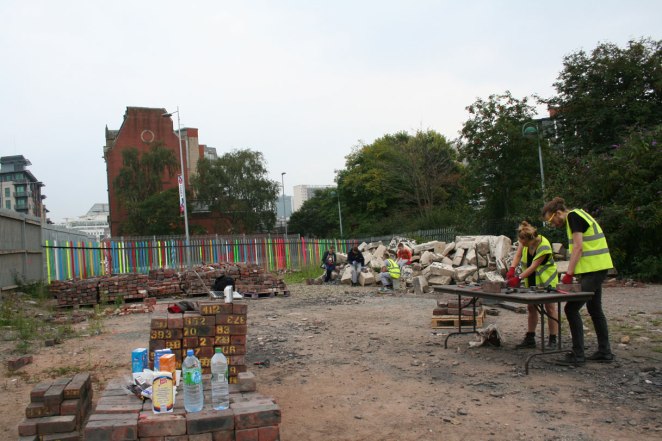
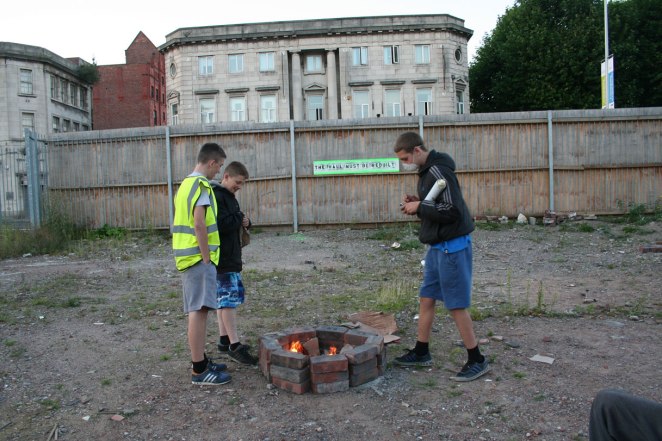
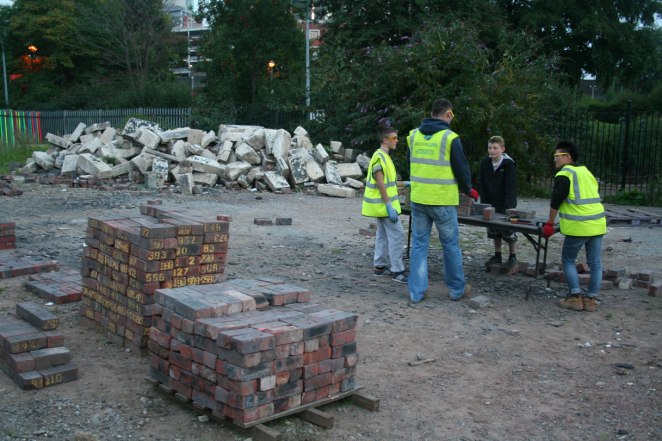

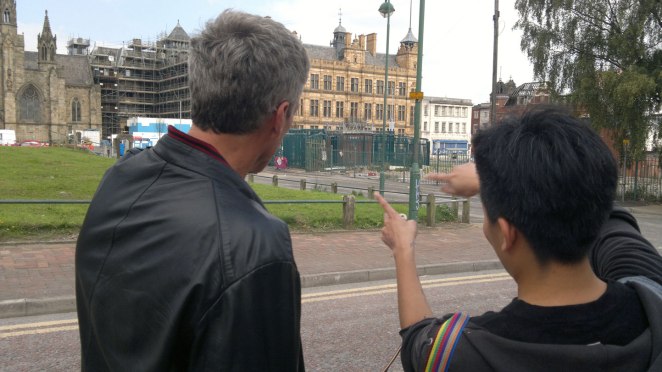


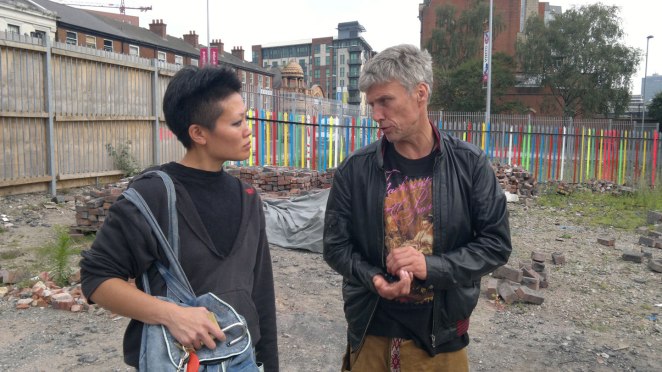

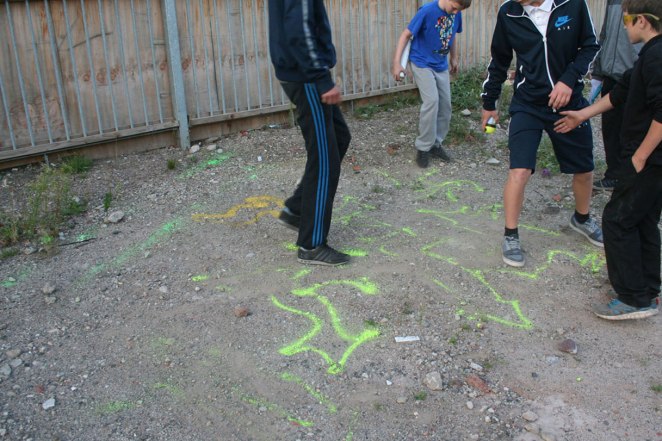
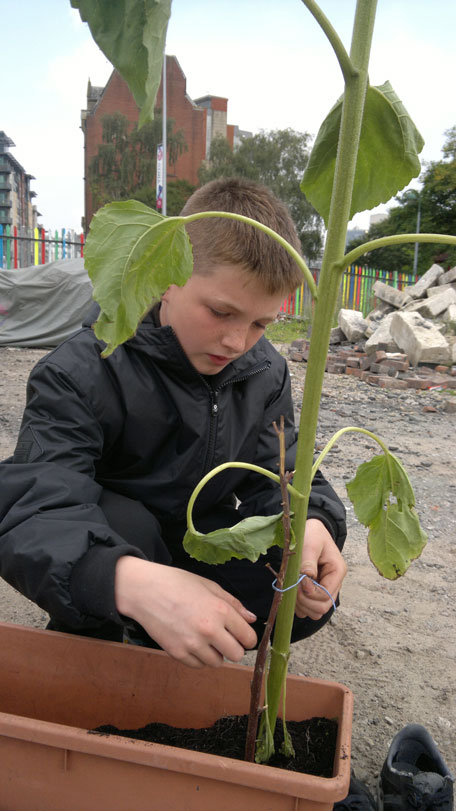
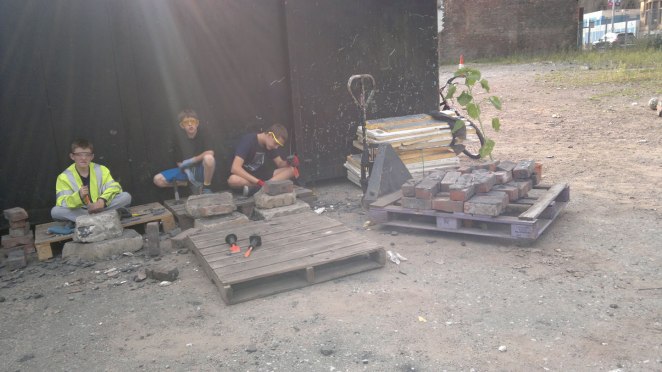
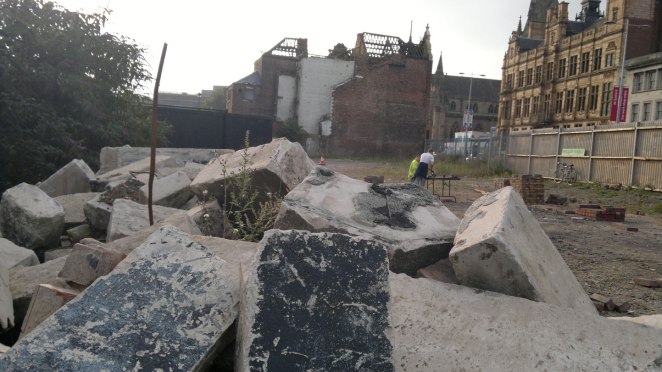
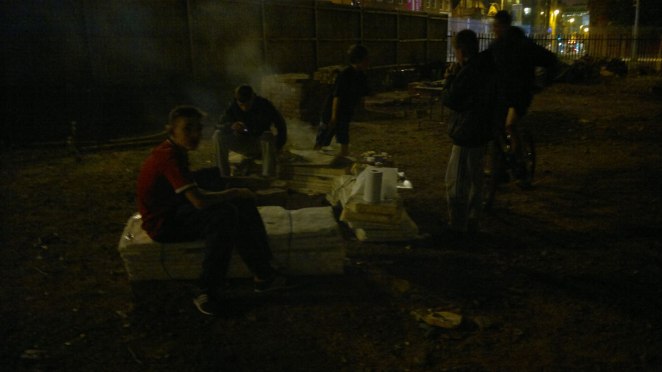


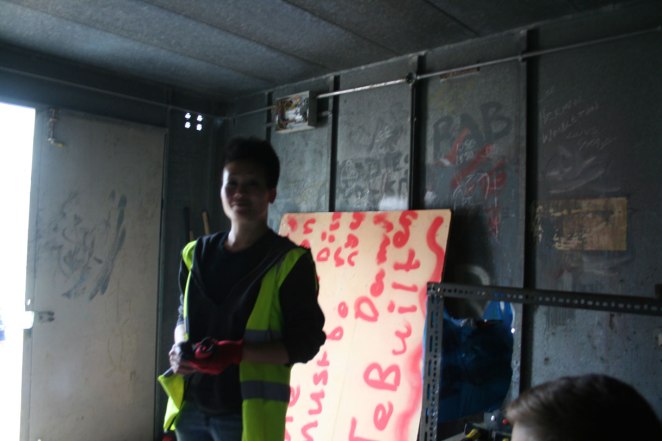


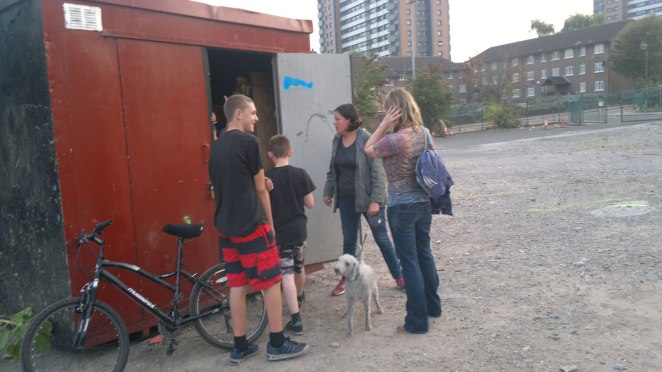
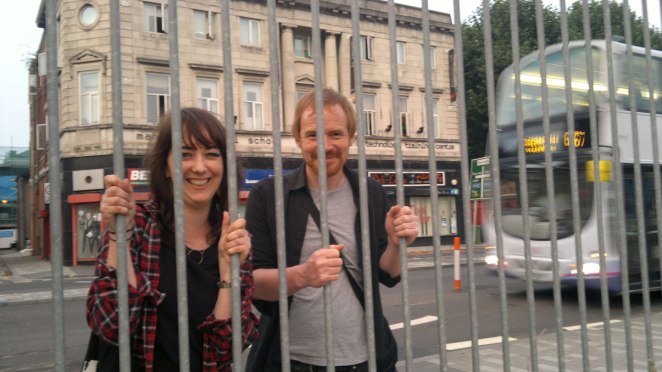
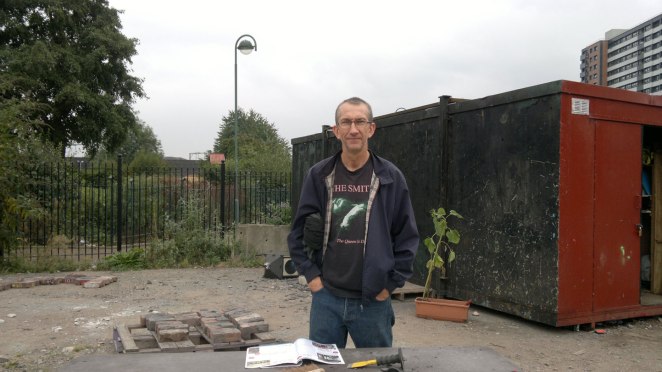
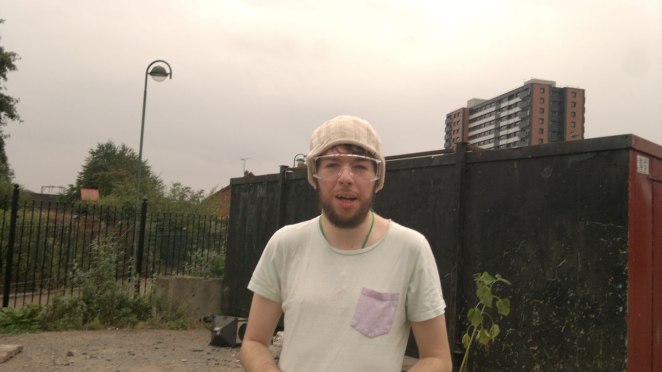


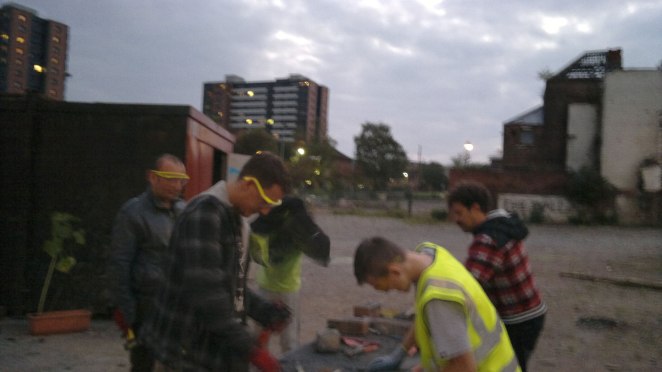
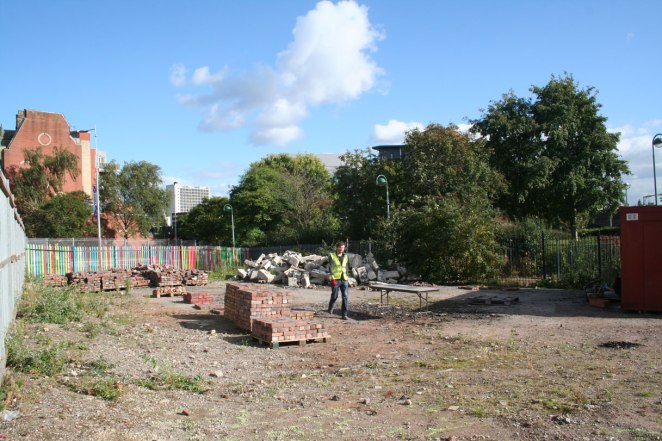

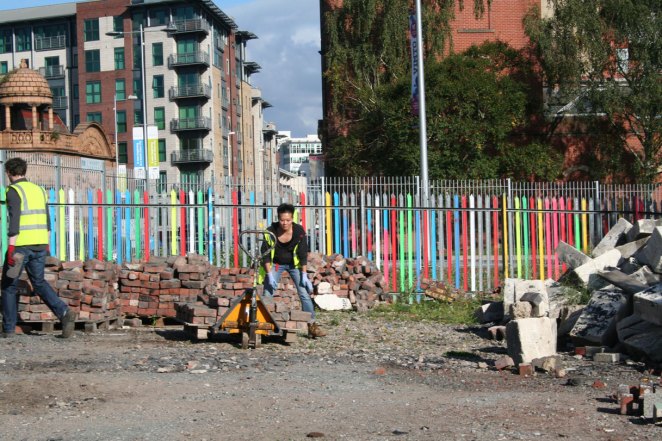
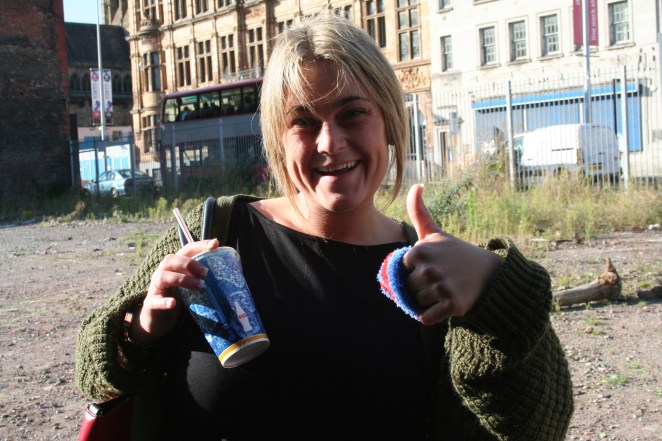

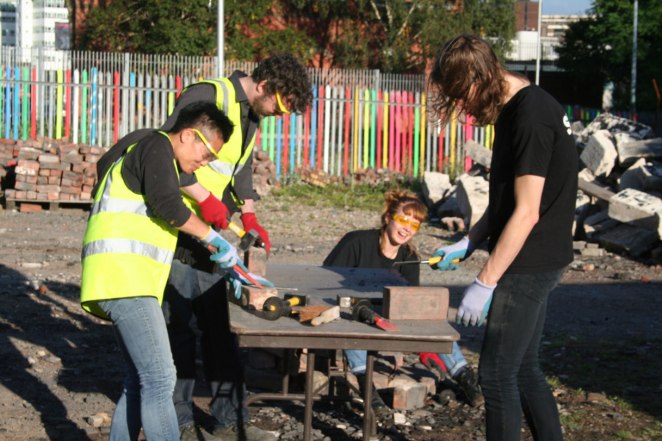








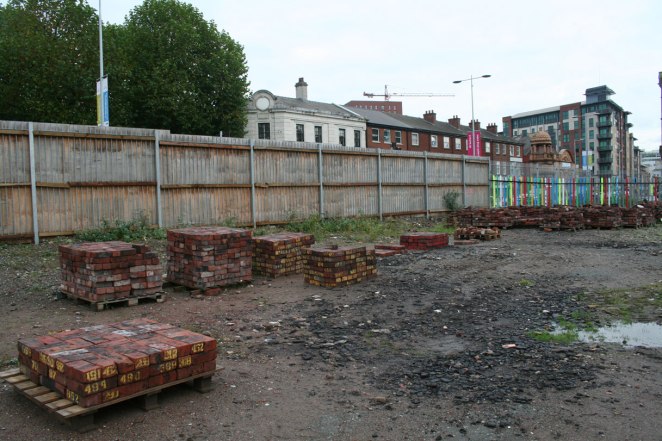


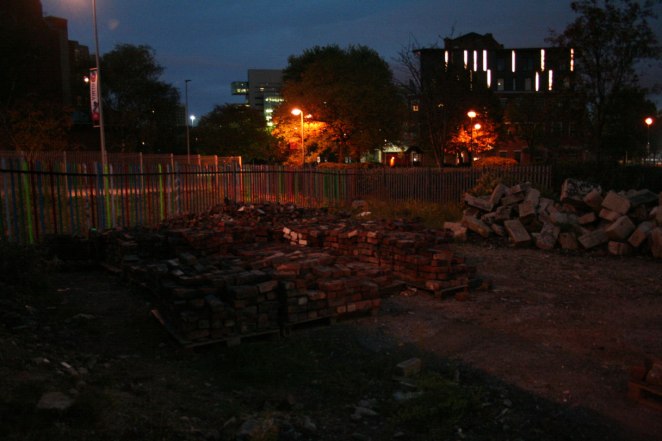
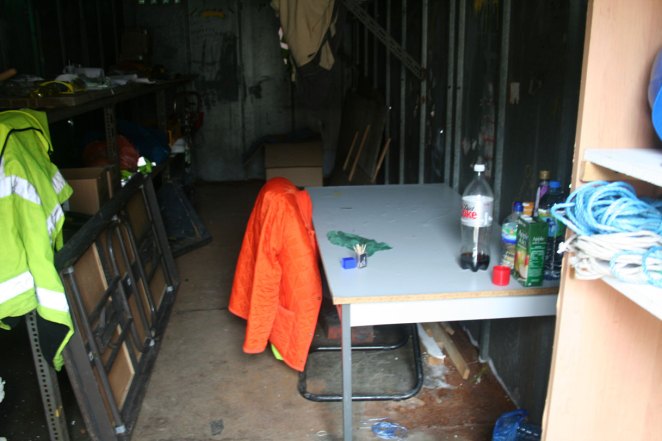
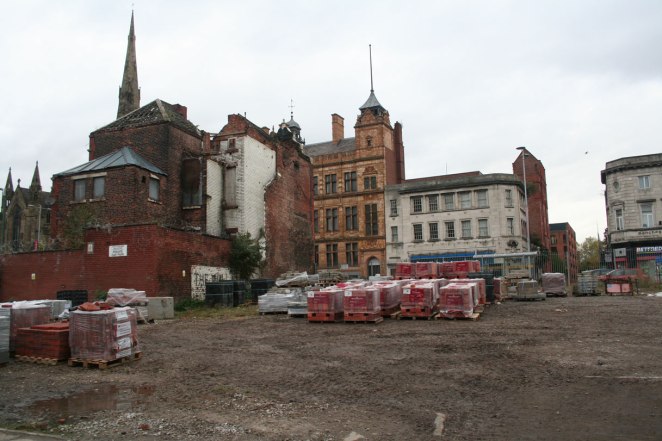
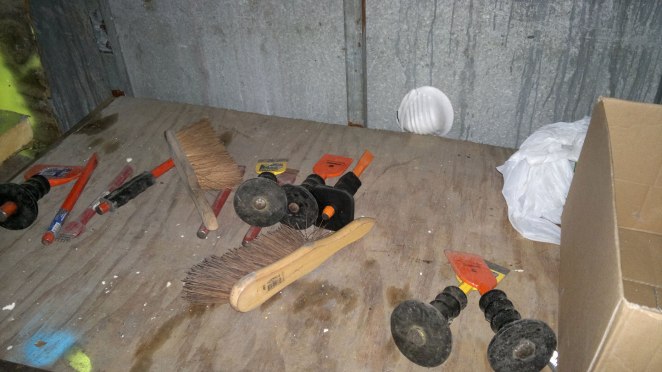


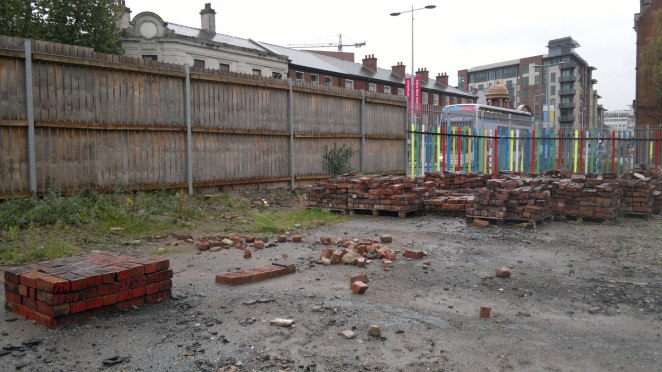

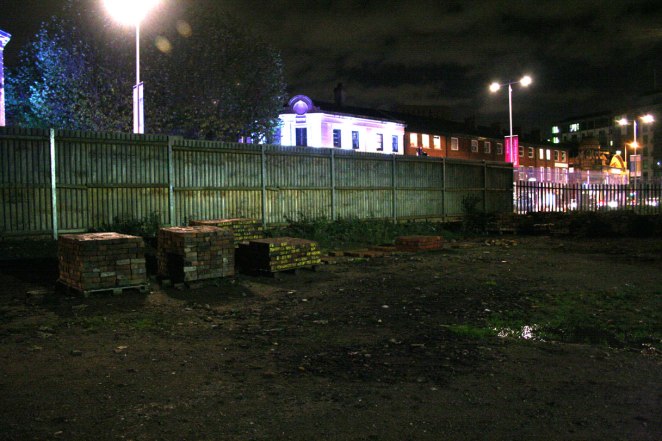

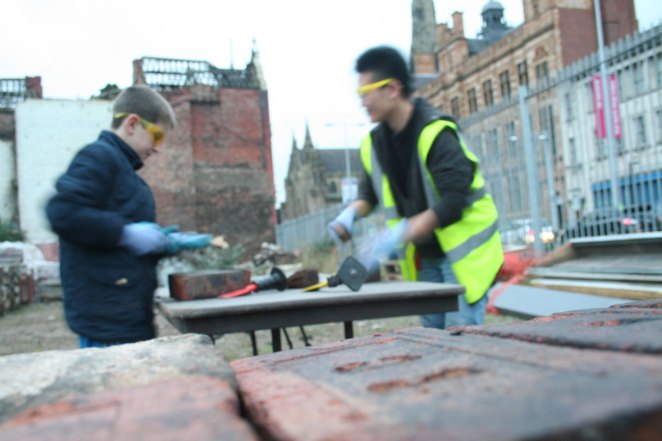


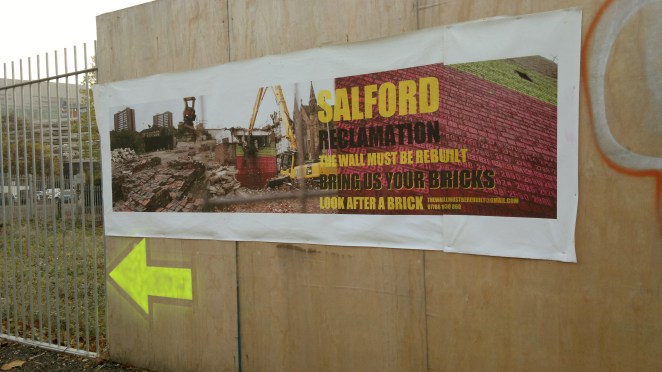

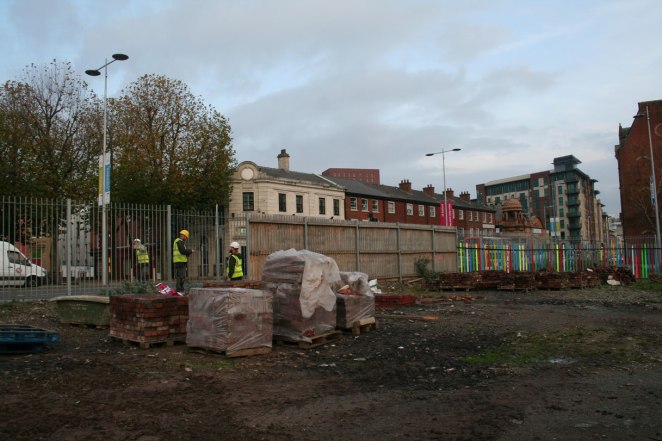
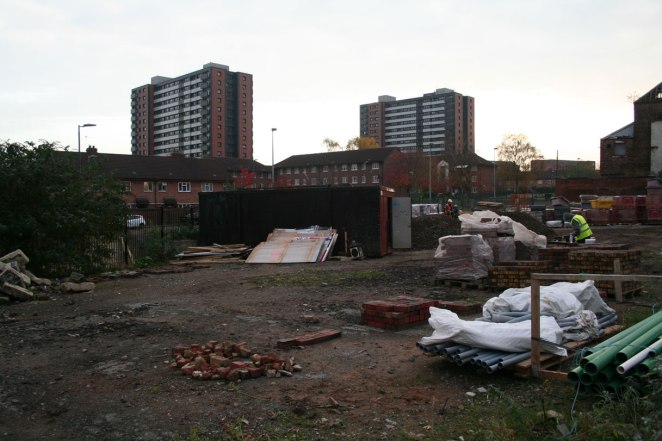


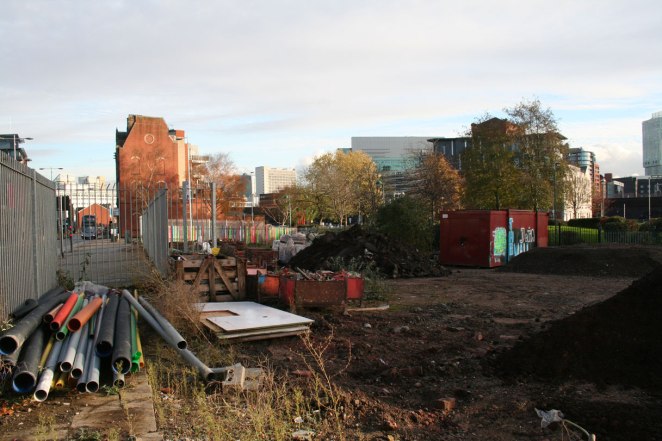


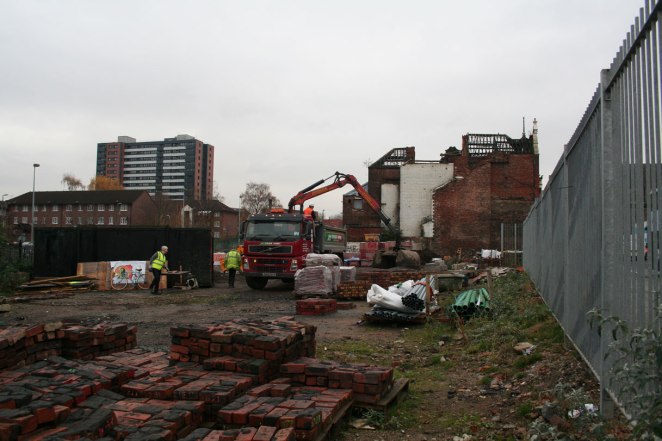

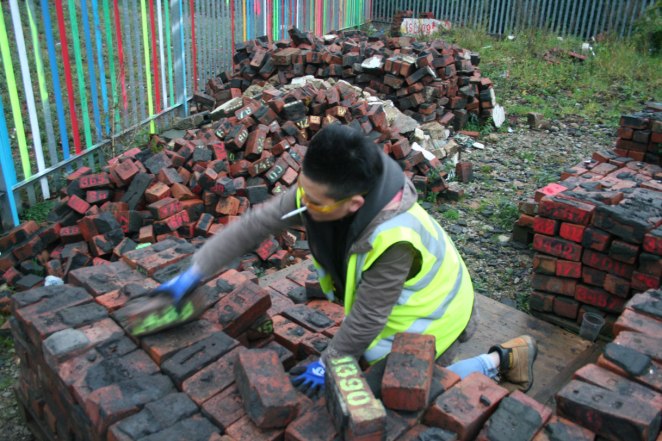
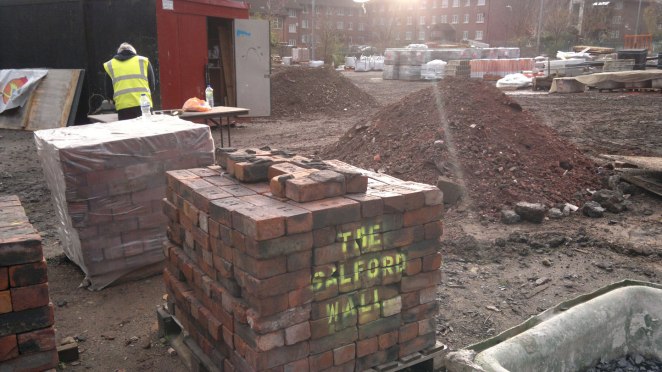
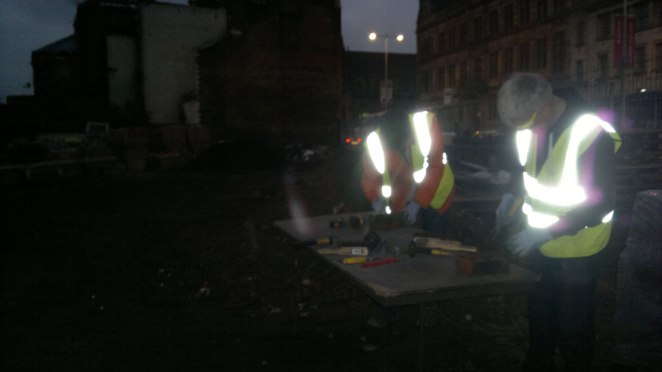


WEBSITE HERE
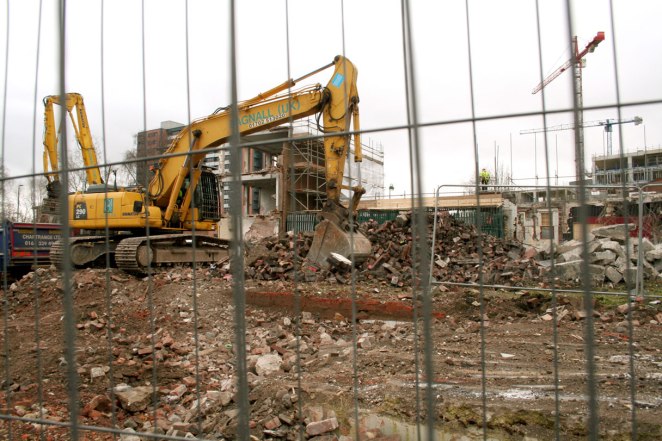
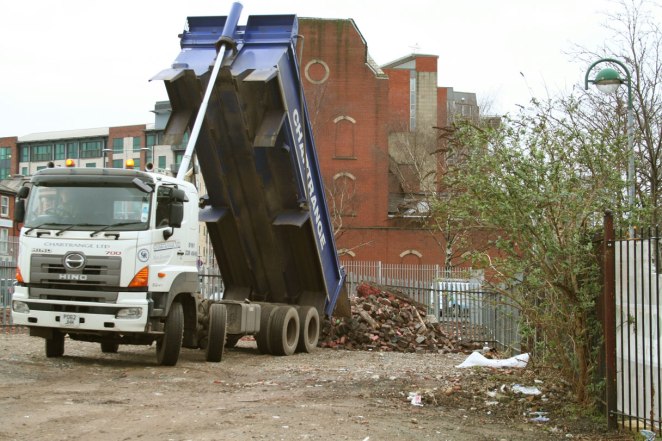
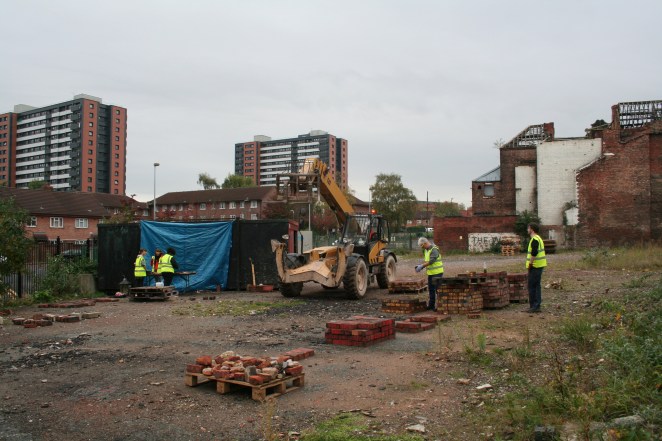
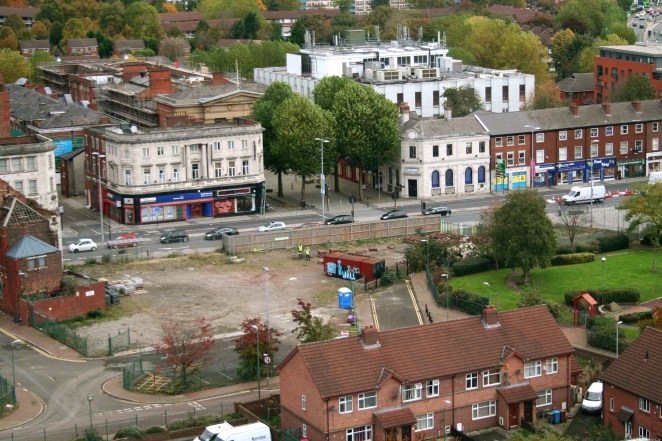
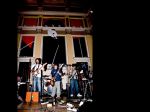
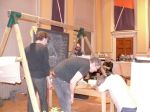
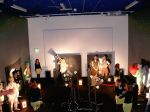
Photos: 7 December 2012 – 30 November 2014.
From e-mail to Heritage Lottery Fund, 24 Nov 2014
The Salford Wall was initiated by myself, an artist, in 2012. It is a heritage project about buildings and communities, achieved through rebuilding a section of the Old Bank Theatre which formerly stood at 301 Chapel Street, Salford.
Building
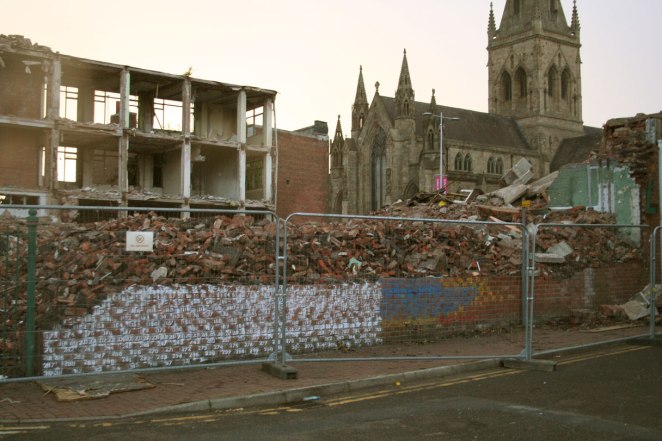
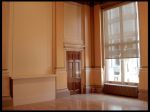
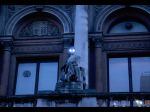
The building (built by Royal Liver Friendly Society in 1930) was bought by Salford City Council by CPO, to be demolished as part of Salford’s current regeneration. After a period of negotiation with the council, I obtained permission to work with the demolition contractors to save the east flank wall, made entirely of brick. Through the course of the demolition works, I also managed to save the stone blocks making up the building’s facade.
The aim is to use the salvaged remnants as the building blocks for a community-built monument and open community space, anchored by the reconstruction of the Wall – 100 metres east of its original location, on a development site opposite Bexley Square. The council and English Cities Fund have allowed the project to use the site until 2016, when development is due to take place.
Community / Heritage
Integral to the project is the opportunity for the local community and general public to co-develop and create The Salford Wall. It’s to not only rebuild a physical structure as a means of reconnecting with Chapel Street’s disappearing heritage, but to be guided by the social history and principles embedded in the building and its bricks – how and why the building was built, by working class labourers as a structure of unified care and support. It’s a history that, through the building’s origins and use, is gradually being rediscovered and encompasses not only that of Chapel Street and Salford, but has links to Liverpool (via Royal Liver) and also Manchester (the bricks came from Bradford Colliery). Its to use this history and heritage in a very real sense.
Support and development
The project has been underway since September 2013, with funding support from Arts Council England and Henry Moore Foundation. There’s much more I can say about the building and its legacy, about how the local community has been involved thus far and how this is evolving. The project is nevertheless at a stage where it needs a further injection of support, hence approaching HLF.
It’s a slightly tricky scenario as I’d be applying as an individual, and am not the owner of the ‘building’ nor the reconstruction site. In theory, the owners are the people of Salford, via the city council. It’d be fantastic to have some guidance on how might be best to proceed, to be eligible for an HLF grant. Also, as the longevity of the project (as a monument) is still uncertain, it’d be invaluable to have your advice on the scope of what HLF might be able to support; the rebuilding process is a heritage activity in and of itself, but there is massive potential to develop and strengthen the various strands of activity within.




























































 Jen Wu